A number of Chinese cities have increased departure tax refund stores as part of China's latest efforts to further improve the shopping experience of overseas travelers and boost inbound spending.
The measures, initiated by the Ministry of Commerce and five other government departments, include lowering the minimum purchase threshold, raising the cash refund ceiling, expanding the network of participating stores and widening the range of products available.
Click to Gallery
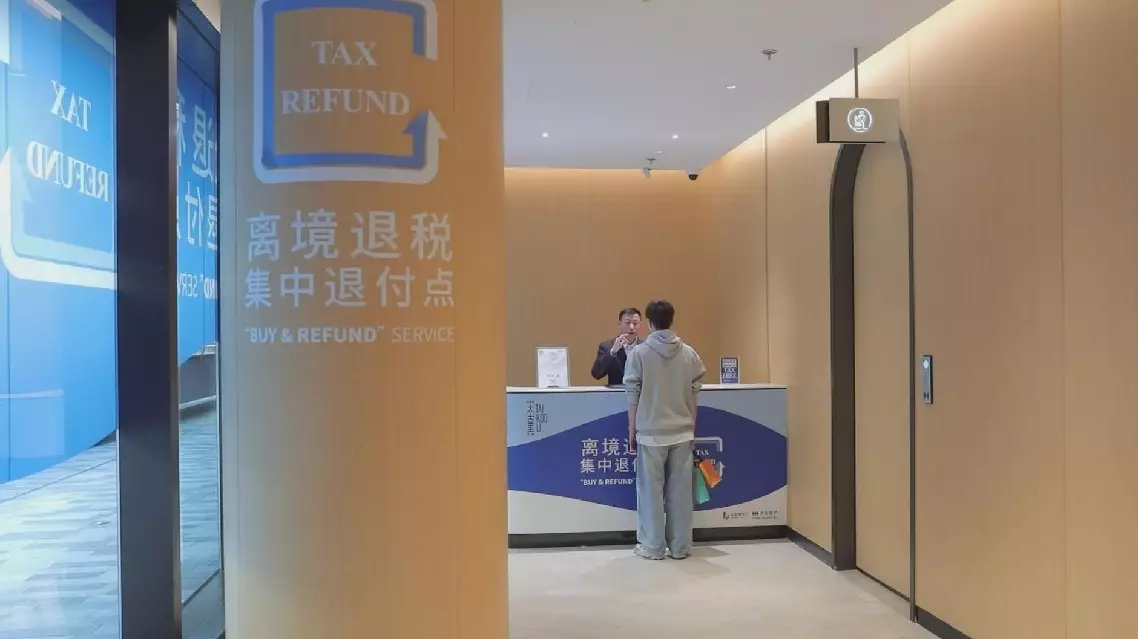
Departure tax refund policy refined for overseas travelers
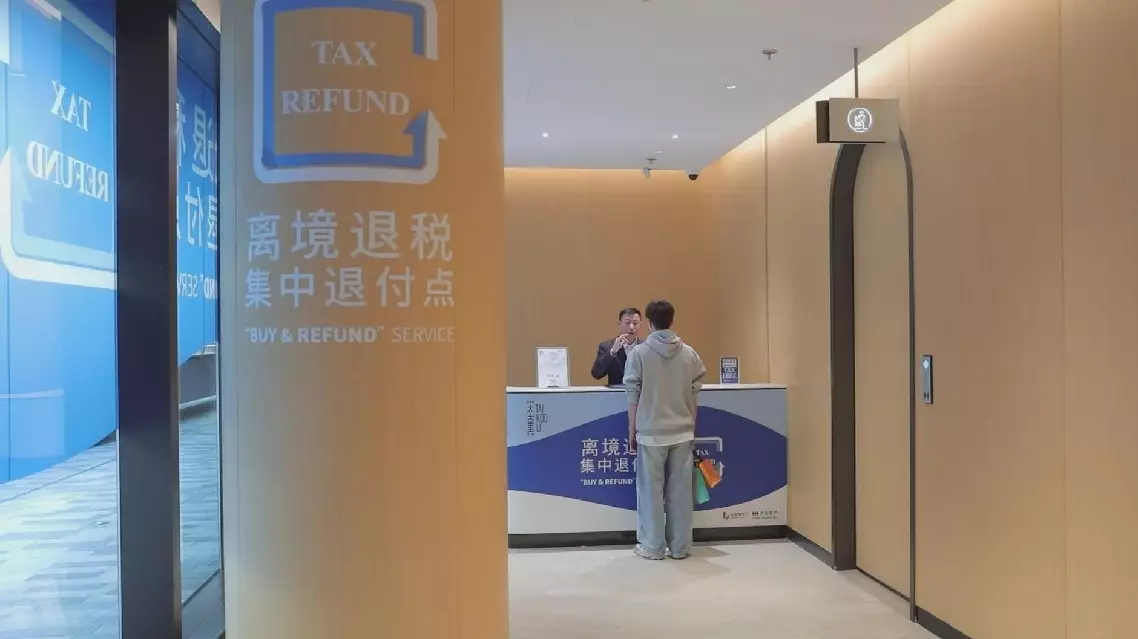
Departure tax refund policy refined for overseas travelers
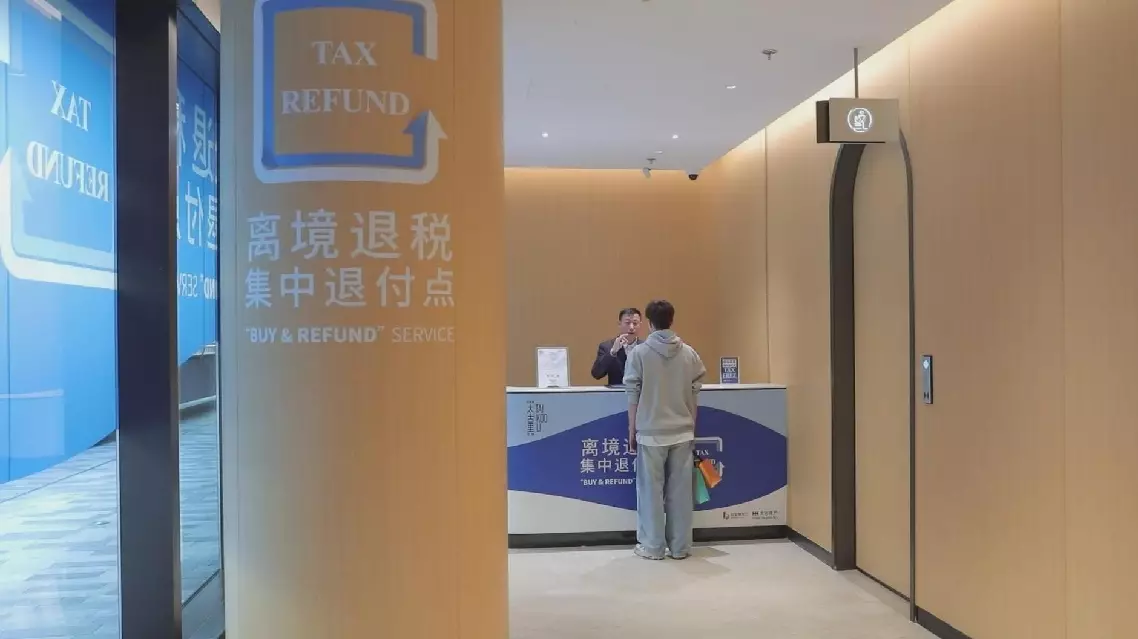
Departure tax refund policy refined for overseas travelers
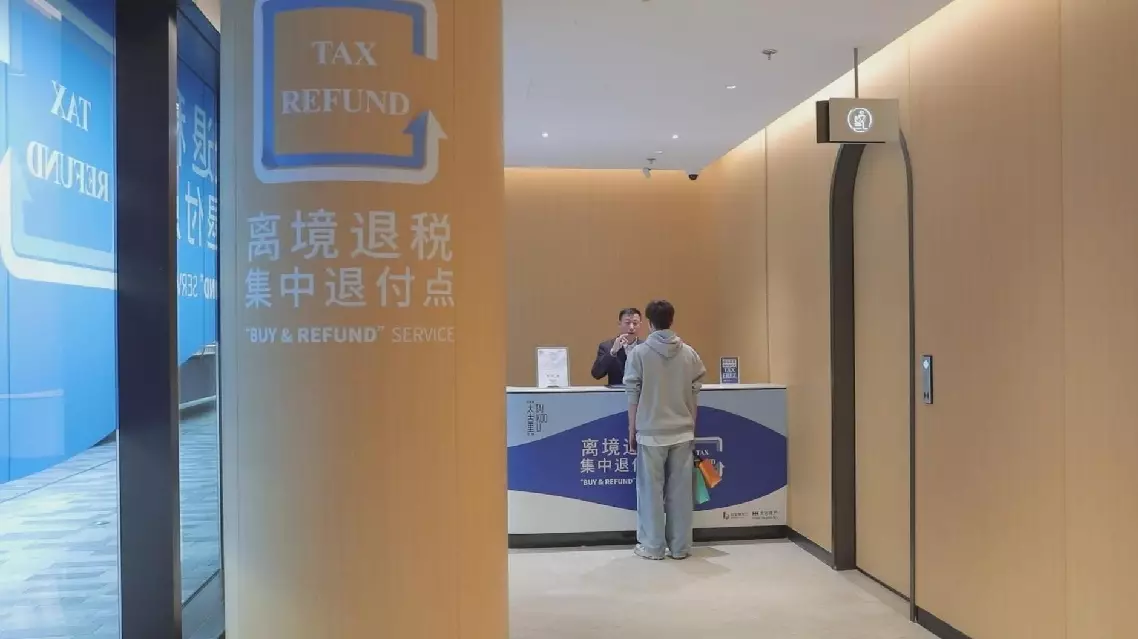
Departure tax refund policy refined for overseas travelers
China is also promoting a "refund-upon-purchase" service model, allowing eligible tourists to have tax refunds instantly at retail outlets rather than waiting until they leave the country.
At a mall in Shanghai, 48 stores are offering "refund-upon-purchase" services for overseas travelers.
"Before, I wasn't really caring about the tax refunds, because it's only at the airports. But now that you have also in the malls, I think it became part of my life as well," said Federico, an Italian traveler.
"Clients could use the cash from our refunds to go on shopping. This enhances their shopping experience while boosting secondary consumption," said Zhang Jian, a tax refund agent at the mall.
There are now nearly 600 tax refund stores in Shanghai, half of which provide instant refunds.
"I'm rabbit. My zodiac sign is the rabbit. Those T-shirts here are very great, great store. That's great with a mixture of culture and modernization," said Frederic, a French traveler.
In Jinjiang District of Chengdu, the provincial capital of Sichuan in southwest China, the first "refund-upon-purchase" service point of the province has been opened, accepting electronic wallets from 13 countries and regions.
Dutch tourist Jelly, who spent over 10,000 yuan on gifts for his wife, received a 1,500-yuan refund in less than five minutes at the service point.
"Today, I bought a product with a tax refund. I've been helped really good. They are very professional people, and I'm very happy with my product," Jelly said.
The tax refund stores include many time-honored and China chic brands, which have been favored by overseas travelers in Beijing.
Under the new policy, the minimum purchase threshold for departure tax refunds has been reduced from 500 yuan (about 69 U.S. dollars) to 200 yuan, and the cap for cash refunds has been doubled from 10,000 yuan to 20,000 yuan.
The new policy has driven up the sales at many tax refund stores in Beijing.
"Since the cash refund ceiling was raised, we apparently feel that more refund invoices have been issued," said Shi Heng, manager of a Qianxiangyi Silk Store.
Apart from streamlining tax refund procedures, China has also encouraged local authorities to package tax refund products with signs that can help customs officers identify the products without opening the packages, saving time for overseas travelers during clearance.
Shenzhen City in south China's Guangdong Province has launched a "one form, one package" model, meaning stores package products with bags that correspond to tax refund application forms submitted by foreign shoppers.
"Following the 'one form, one package' model, our store has seen significant increase in foreign shoppers. In the first quarter of the year, our sales of departure tax refund products rose by 500 percent year on year," said Wang Yali, manager of a Sundan store in Shenzhen.
The more than 400 tax refund stores in Shenzhen have reported a total sales of tax refund goods of more than 170 million yuan, up 376 percent year on year. The total amount of tax refunds offered by these stores have also surged 158 percent year on year.
Local commerce departments said they are mulling more measures to further optimize tax refund policy and boost inbound consumption.
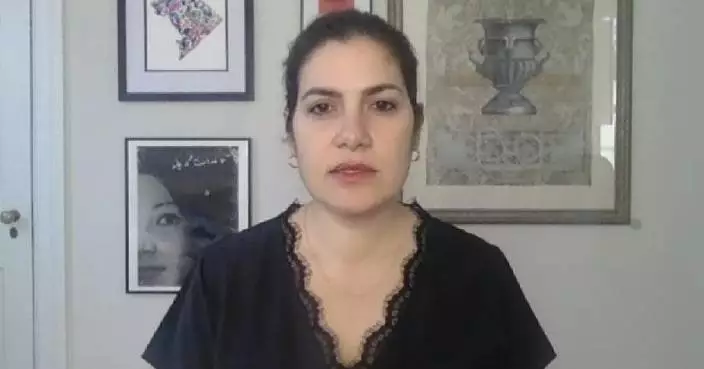
"We will optimize the handling of applications to become departure tax refund stores, in the way of publishing long-term acceptance year by year, and publish the list of shops in multiple batches. We will speed up the piloting work and strive to make tax refund services available at all our land ports," said Zhou Lin, deputy director of market construction of the Commerce Bureau of Shenzhen.
Departure tax refund policy refined for overseas travelers
Departure tax refund policy refined for overseas travelers
Departure tax refund policy refined for overseas travelers
Departure tax refund policy refined for overseas travelers