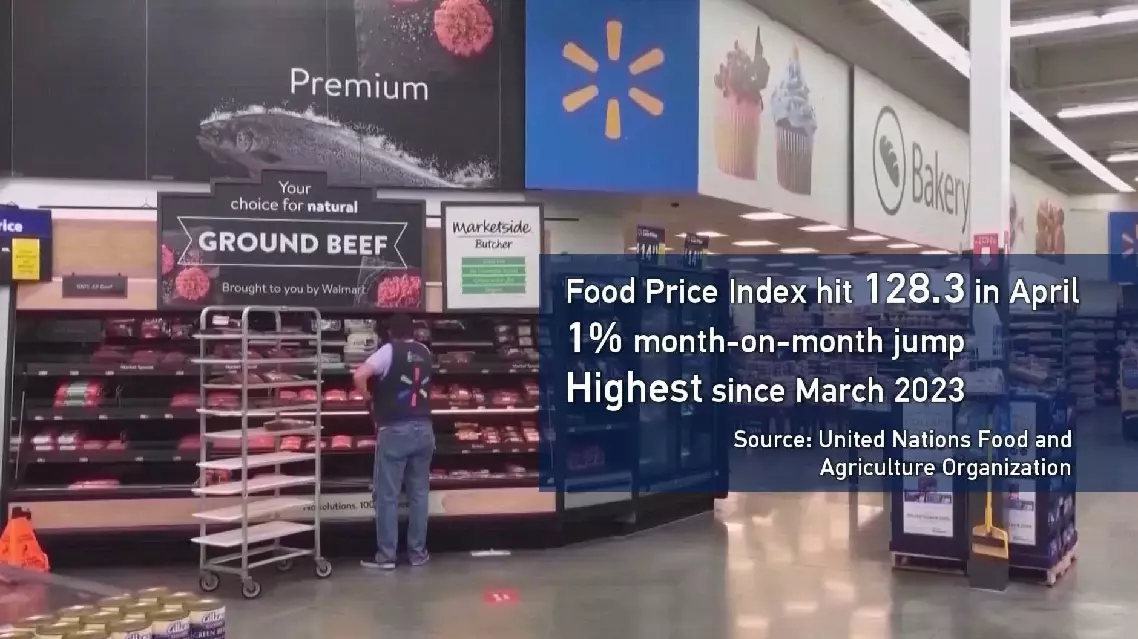
Global food prices edged higher in April, driven in part by new import tariff policies in the United States, the United Nations Food and Agriculture Organization (FAO) reported Friday.
The FAO Food Price Index, which tracks monthly changes in the international prices of a set of globally traded food commodities, averaged 128.3 points in April, up 1.0 percent from March and 7.6 percent from the same month last year.
According to FAO, prices increased for grains and cereals, dairy products, and meat, despite declines in the prices of sugar and vegetable oils.
The organization said the strongest impact of the U.S. tariff changes was observed in grains and cereals - the largest component of the FAO Food Price Index - although seasonal demand, reduced wheat exports from Russia, and a weaker U.S. dollar also played significant roles.
Dairy prices climbed by 2.4 percent month-on-month and meat prices jumped 3.2 percent. In contrast, vegetable oil prices fell by 2.3 percent and sugar prices declined for the second straight month, dropping 3.5 percent from March, according to the report.
Frequent shifts in U.S. tariff policies are creating ripple effects across global trade, leading some countries to stockpile goods in anticipation of further levies, according to one economist, noting that this short-term demand surge may be exacerbating price increases, particularly for essential food items.
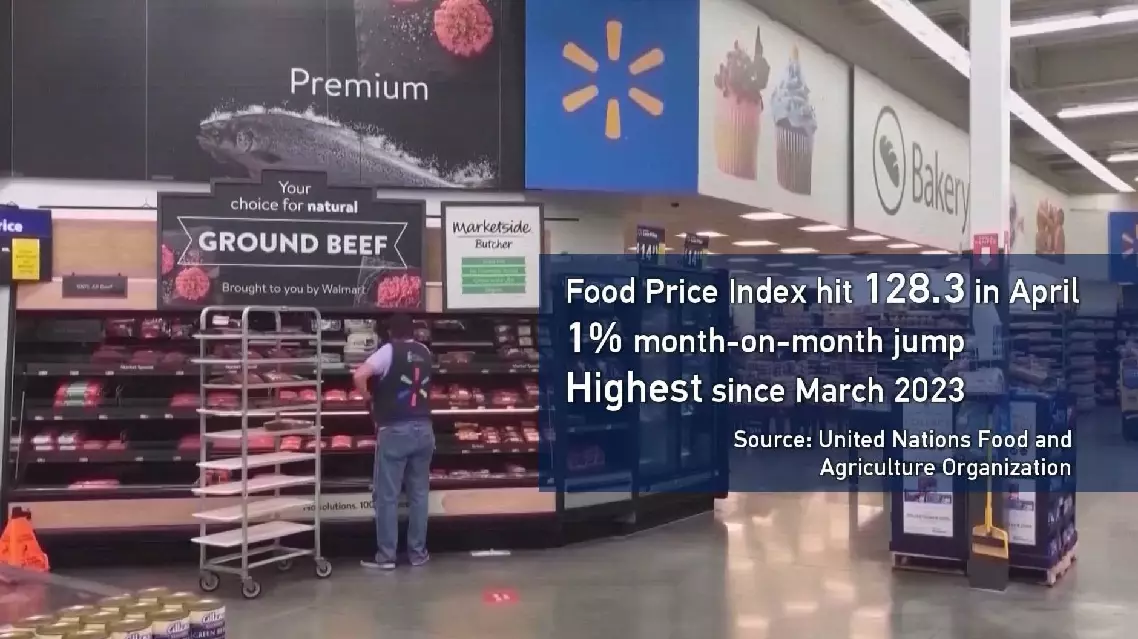
Global food prices edge up in April amid new U.S. tariff policies: FAO
Global food prices edge up in April amid new U.S. tariff policies: FAO
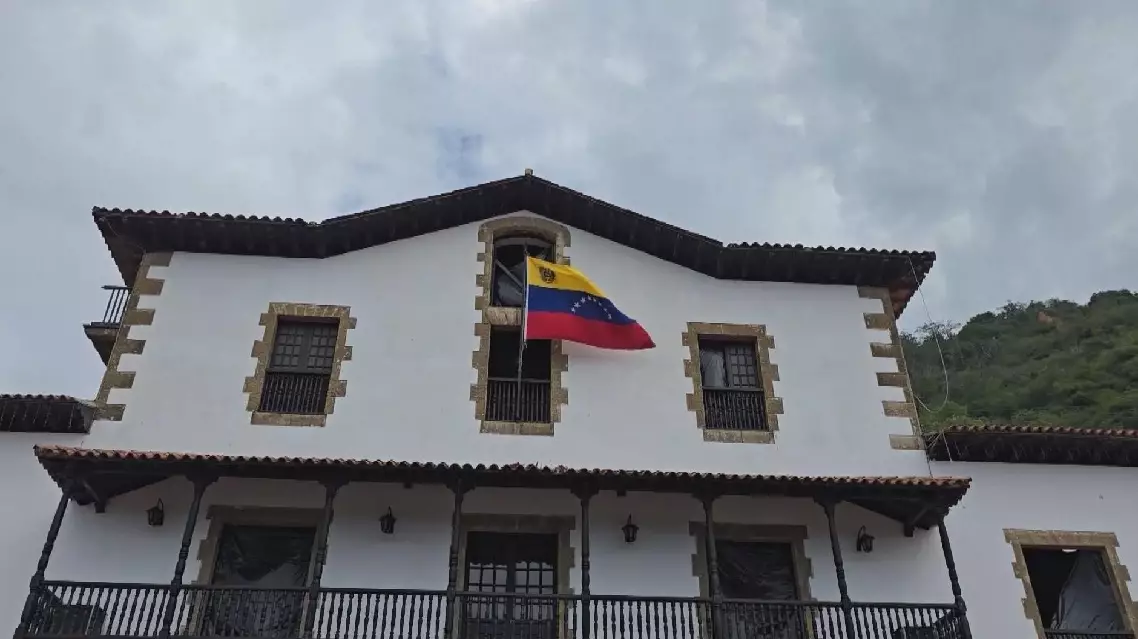
Venezuela's acting president Delcy Rodriguez said on Sunday that the country is at a critical stage and must achieve national unity, emphasizing that maintaining internal cohesion is of utmost importance.
In a televised address, Rodriguez called on the public to continue trusting the government under the current highly complex political circumstances.
Her statement comes in the wake of a January 3 military operation conducted by the United States, during which Venezuelan President Nicolas Maduro and his wife were taken into custody and flown out of the country.
The operation resulted in at least 100 fatalities.
Rodriguez, who was sworn in as acting president two days later on January 5, framed her appeal for unity against this backdrop of external intervention.
Meanwhile, Venezuelan Minister of Communication and Information Freddy Nanez denounced the U.S. actions as a "war crime of the 21st century" when speaking at an international cultural event on Sunday.
Nanez condemned not only the January 3 airstrikes but also the associated cyber and electromagnetic attacks.
He accused the United States of violating international law through the forced removal of President Maduro and his wife, while attacks on civilian infrastructure, including medical facilities, represent a flagrant breach of humanitarian norms.
He reiterated that the stigmatization and military attacks against Venezuela are driven by economic interests, particularly the desire to control its abundant natural resources.
Venezuelan acting president calls for national unity amid complex situation
Venezuelan acting president calls for national unity amid complex situation