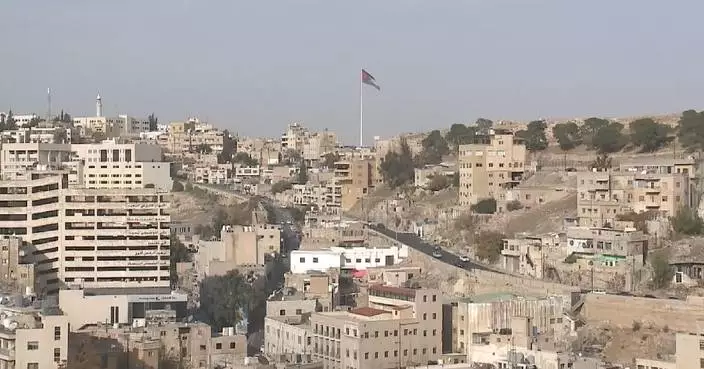
A key energy transition meeting in Cape Town, South Africa, highlighted Africa's energy security and future, alongside the global push to accelerate an equitable and affordable transition to renewable energy.
The G20 Energy Transition Working Group (ETWG) held its second meeting from April 30 to May 2, with South Africa, the host country, urging G20 nations to join forces to bolster energy security across the African continent and in developing nations.
These discussions come at a pivotal moment, as countries strive to balance decarbonization goals with the pressing energy needs, especially in Africa -- a continent rich in natural resources, yet still grappling with widespread poverty, where hundreds of millions live without electricity.
"It's important that we are able to manage this transition in a manner that takes into account our own domestic conditions. You need to balance that with the need to ensure that you don't stifle the ability of the economy to grow and get more and more people into employment, re-skill people, ensure that there's upward social economic ability of citizens of our respective countries," said Kgosientsho Ramokgopa, South African Electricity and Energy Minister.
South Africa also called for global cooperation to accelerate a fair and affordable transition to renewable energy at the meeting.
Africa relies heavily on fossil fuels, and the challenge of its transition lies in convincing wealthier nations to allocate necessary funding -- an issue that has already sparked debate among G20 members.
"The financing is important, of that infrastructure. Don't punish poor countries. Accept that the western and more developed countries have got an obligation to help poor countries. So that's really how we fashioned the conversation and I'm confident we're going to find each other," Ramokgopa said.
Fortunately, leading efforts are already underway. The European Union has pledged 4.4 billion euros (about 5 billion U.S. dollars) to South Africa's clean energy sector, with a focus on developing green hydrogen -- a key industry that could bring significant economic benefits.
China has also joined efforts, signing a Memorandum of Understanding (MoU) with South Africa to explore nuclear-powered small modular reactors (SMRs) -- a move expected to strengthen South Africa's energy capacity, address its declining energy security, and support its transition to a more reliable and sustainable energy system.
"The focus on SMR is important for us and the cooperation with China is critical. Of course China has gone on to exploit that technology and we want to sort of co-create with China and hence the MoU," said Subesh Pillay, interim director-general of the South African Electricity and Energy Ministry.
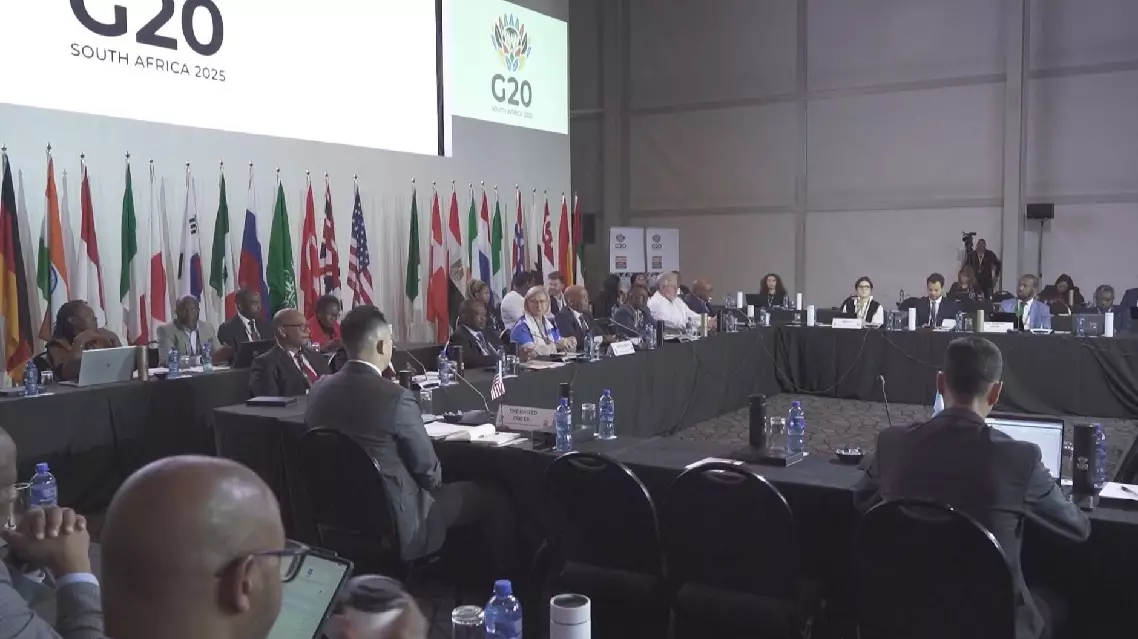
G20 meeting in Cape Town places Africa’s energy security at forefront of global transition efforts
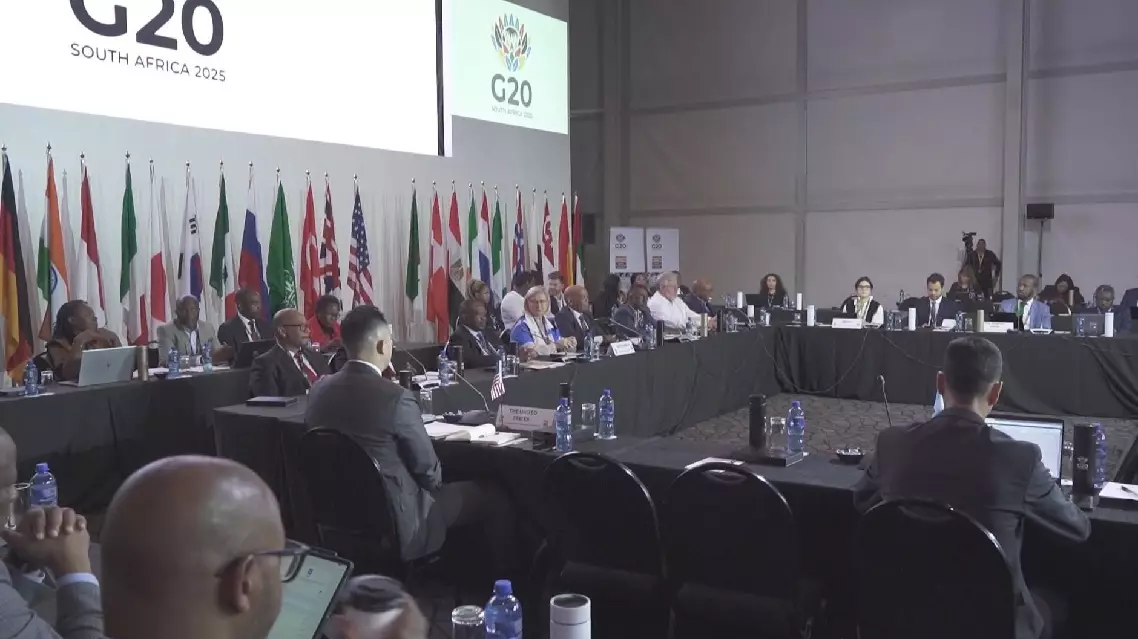
G20 meeting in Cape Town places Africa’s energy security at forefront of global transition efforts
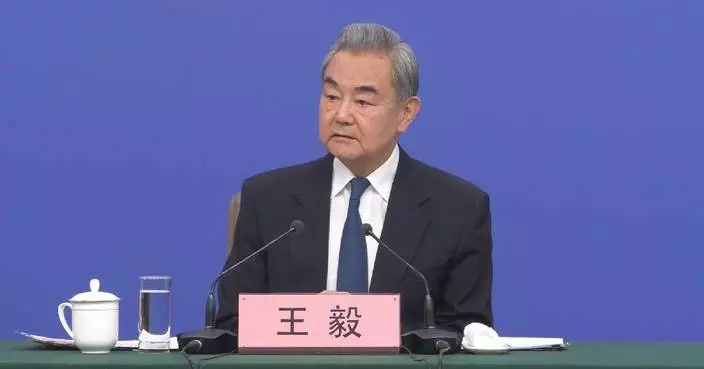
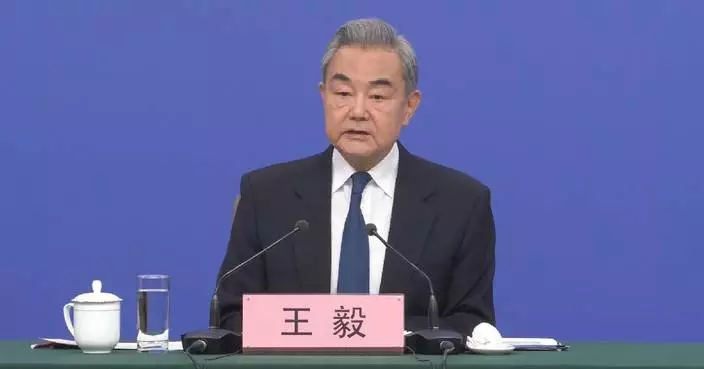
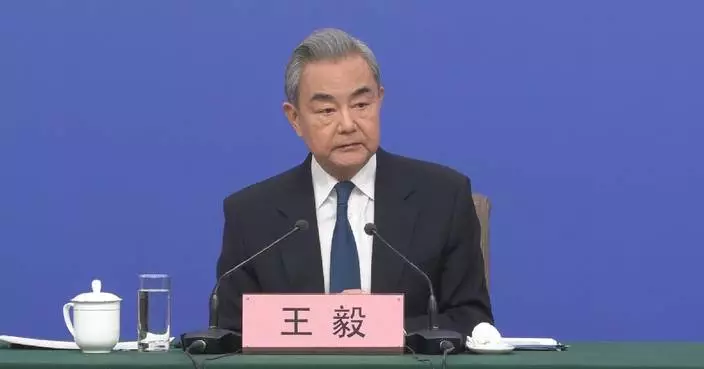
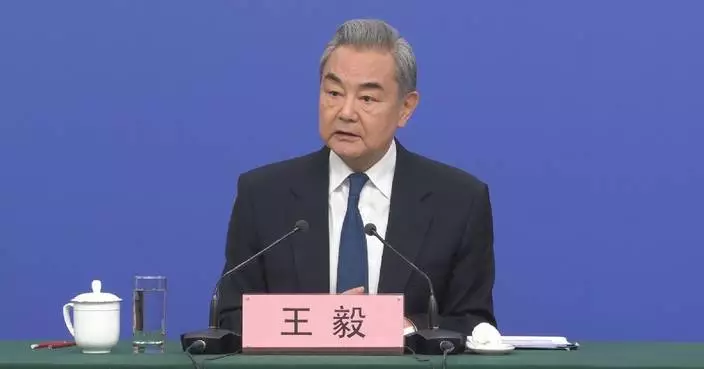
Chinese Foreign Minister Wang Yi said Sunday that the international landscape should be based on an equal and orderly multipolar world where every nation can find its place and play its role, stressing that global affairs cannot be dominated by a handful of major countries.
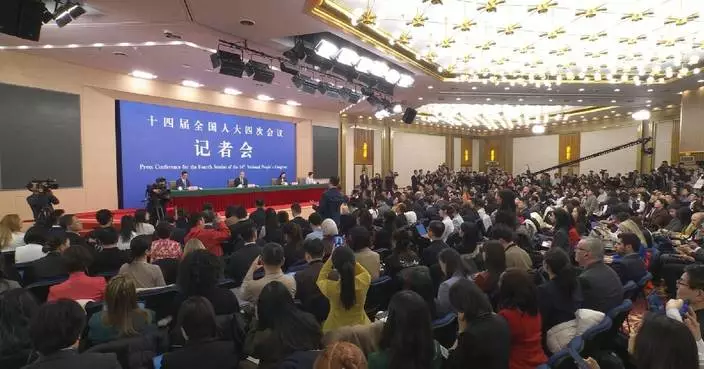
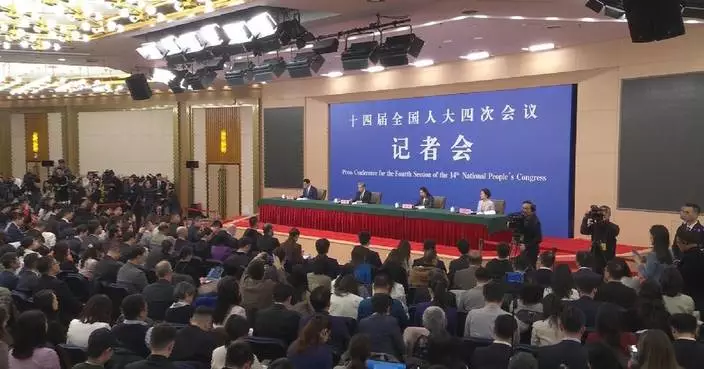
Wang was speaking at a press conference on the sidelines of the ongoing fourth session of the 14th National People's Congress, China’s national legislature, during which he elaborated on China’s proposition on how the international landscape should evolve.
"There is no doubt that China and the United States have a significant impact on the world, but we should not forget there are more than 190 countries on our planet. World history has always been written by all the countries together, and the future of humanity will be forged through the collective efforts of all nations. Diversity is the inherent nature of human society, and multipolarity is what the international landscape should look like," he said.
Wang said China rejects the path of hegemony and the idea that global governance can be run by a few powerful states.
"Looking back into history, great-power rivalry and bloc confrontation have invariably inflicted disaster and pain on humanity. Therefore, China will never take the beaten path of seeking hegemony as its strength grows, nor do we subscribe to the logic that the world can be run by major countries. China has inscribed in its Constitution that it follows an independent foreign policy and is committed to pursuing a path of peaceful development. Chinese leaders have often declared to the world that no matter how the international situation evolves and how strong China becomes, it will never seek hegemony or expansion," Wang said.
The foreign minister also outlined China's vision for the international landscape, where all nations, regardless of size or strength, are equal members of the international community.
"As for how the international landscape should evolve, China's proposal is to build an equal and orderly multipolar world. 'Equal' means every nation, regardless of size or strength, is an equal member of the international community, and can find its place and play its role in a multipolar world. 'Orderly' means all countries should uphold the widely recognized international rules, namely the purposes and principles of the UN Charter and the basic norms of international relations," said Wang.
He also said countries around the globe should shoulder their responsibilities to build a multipolar, rules-based world, underpinned by international law.
"Building an equal and orderly multipolar world should be the common responsibility of all countries. With more resources and capabilities, major countries should be more generous, shoulder more responsibilities, and set an example of observing rules, honoring commitments and upholding international law. China will continue to play a constructive role in reforming global governance, and work with all countries toward a multipolar world," Wang said.
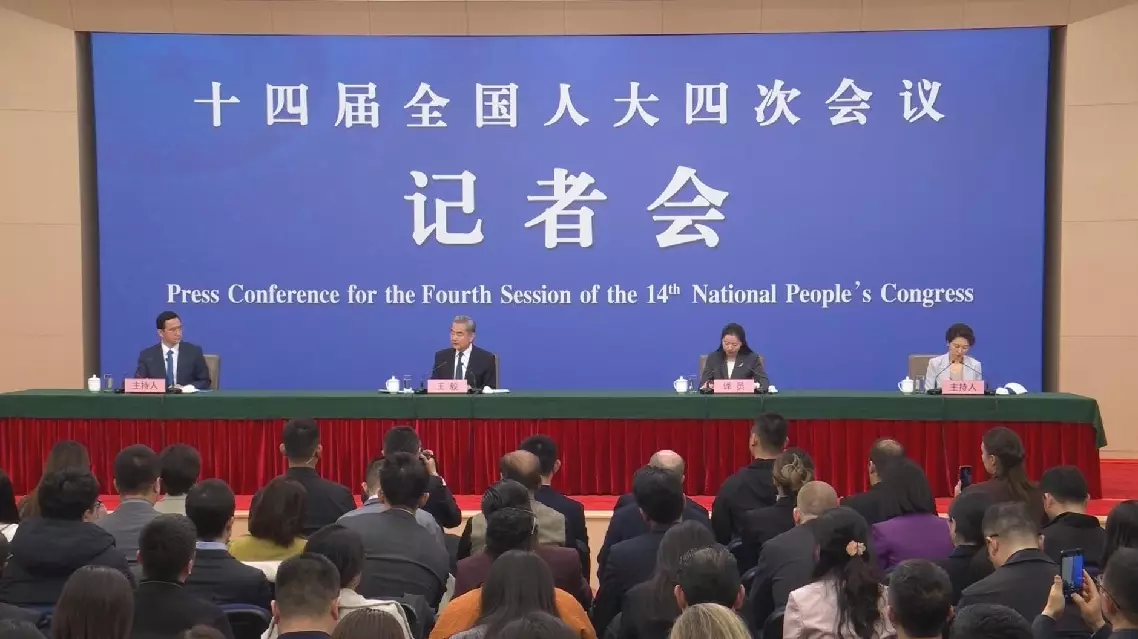
Int’l landscape should be based on equal, orderly multipolar world: Chinese FM