Bulgarians remain deeply divided over the adoption of the euro as their official currency amid growing geopolitical uncertainties in Europe and escalating trade tensions between the European Union and the United States.
On Jan 1, 2026, Bulgaria officially joined the eurozone, becoming its 21st member.
To ensure a smooth transition to the new currency, the Bulgarian lev will remain in circulation alongside the euro throughout January. Starting Feb. 1, the euro will become the country's sole legal tender.
From Jan. 1 to June 30, the exchange of levs for euros will be free of charge at banks and post offices. After this period, currency exchanges will incur a fee, according to a government notice.
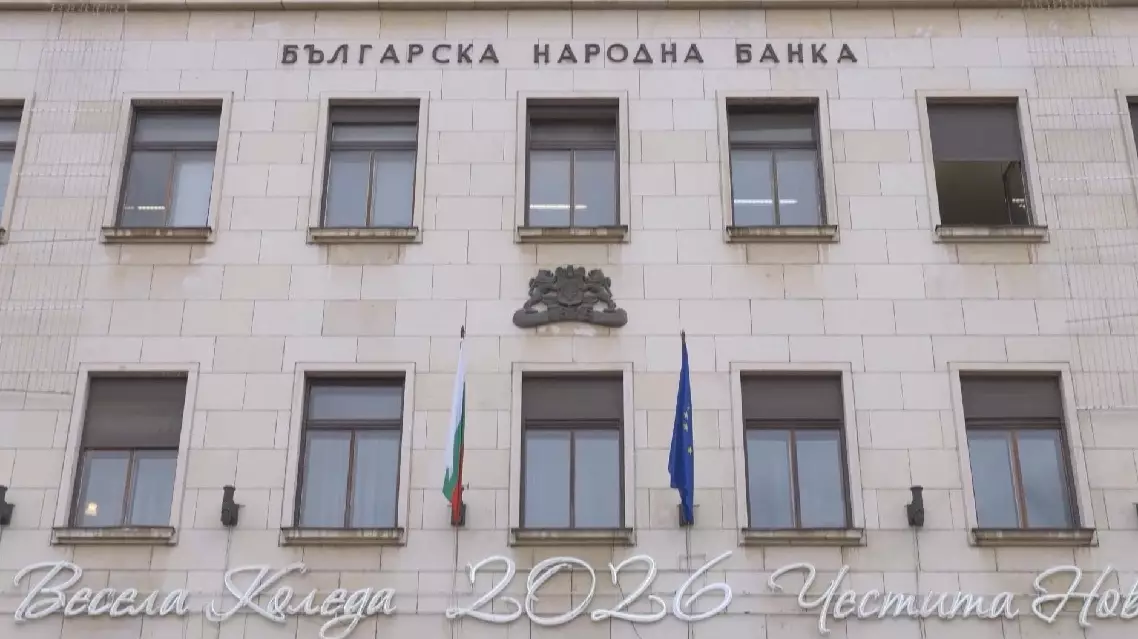
In Sofia, the country's capital, there were long lines outside the Bulgarian National Bank as residents rushed to exchange for euro banknotes.
Retailers across the city adopted a dual pricing system, displaying amounts in both levs and euros, to help consumers adapt to the new scenario.
"I'm okay with the introduction of [the] euro. And I don't see anything wrong. On the contrary, it is even positive as a person who has to travel frequently," said one local resident.
"Some small shops are still reluctant to accept euros, but larger retailers have no issues [with it]," said another resident.
According to the Bulgarian National Bank, the technical transition has been smooth: banking systems, ATMs, and point-of-sale terminals have all successfully switched to euro-denominated transactions. On average, five-euro transactions occur every second nationwide, with no major market disruptions reported.
Yet, public and expert opinions remain deeply devided. Recent polls show nearly equal numbers of Bulgarians in favor of and opposed to the euro adoption. Proponents argue that joining the eurozone will boost foreign investment, expand trade, and stimulate economic growth.
"We expect and we believe that [after joining the eurozone] the increased trade activities in Bulgaria will bring here more investments, especially from companies, big companies abroad, which will increase the economic activity in the country. And I think that after one to three months, people will accept the new currency, and they will start to live under new conditions here," said Bulgarian economist Julian Voynov.
Critics, however, warn of risks amid Europe's current fragility.
"I think that the moment is very unfortunate. I think that it is obvious to the layman even that Europe is experiencing serious problems -- internal, economic, geopolitical problems, and especially some countries in the eurozone. France, for example, is actually experiencing budget problems, issues that might lead to serious consequences for the whole of the eurozone. As for immediate effects, the most prominent one is inflation. We already have growth in the prices of certain consumer items, consumer goods and services," warned economist Stoyan Panchev.
Bulgaria first sought to join the eurozone in 2009 but was derailed by the European debt crisis. Now, the country has finally made the leap, only to confront a new set of uncertainties: rising U.S.-EU trade tensions, ongoing conflicts on Europe's eastern flank, and internal strains within the monetary union itself.
Bulgarians divided on euro adoption amid geopolitical uncertainty in Europe