The 12th Chinese Peacekeeping Infantry Battalion to South Sudan (Juba) on Friday completed a comprehensive five-day United Nations induction course.
Organized by the United Nations Mission in South Sudan (UNMISS), the training provided essential preparation for troops recently deployed to the region.
Led by UNMISS operational, training, and civilian units, the program covered 34 key subjects, including security conditions in South Sudan, medical evacuation protocols, civil-military coordination, and rules of engagement.
Given the volatile situation on the ground, instructors supplemented classroom learning with real-time scenario simulations and interactive question-and-answer sessions.
"The training was both practical and highly relevant, deepening our understanding of the local security environment. We will continue to adapt our preparedness in line with evolving conditions to fulfill our peacekeeping duties effectively," said Bai Jinxiang, a member of the battalion.
Since arriving in mid-December 2025, the battalion has carried out a range of mandated tasks, including patrols, guard duty, escort missions, and humanitarian assistance, earning recognition from UNMISS and international counterparts.
"On behalf of the sector commander, I would like to express my gratitude to everyone involved. I believe this training will make an important contribution to their future peacekeeping operation," said Bayanbataar Ganbaatar, chief of training of Juba Sector of the UNMISS.
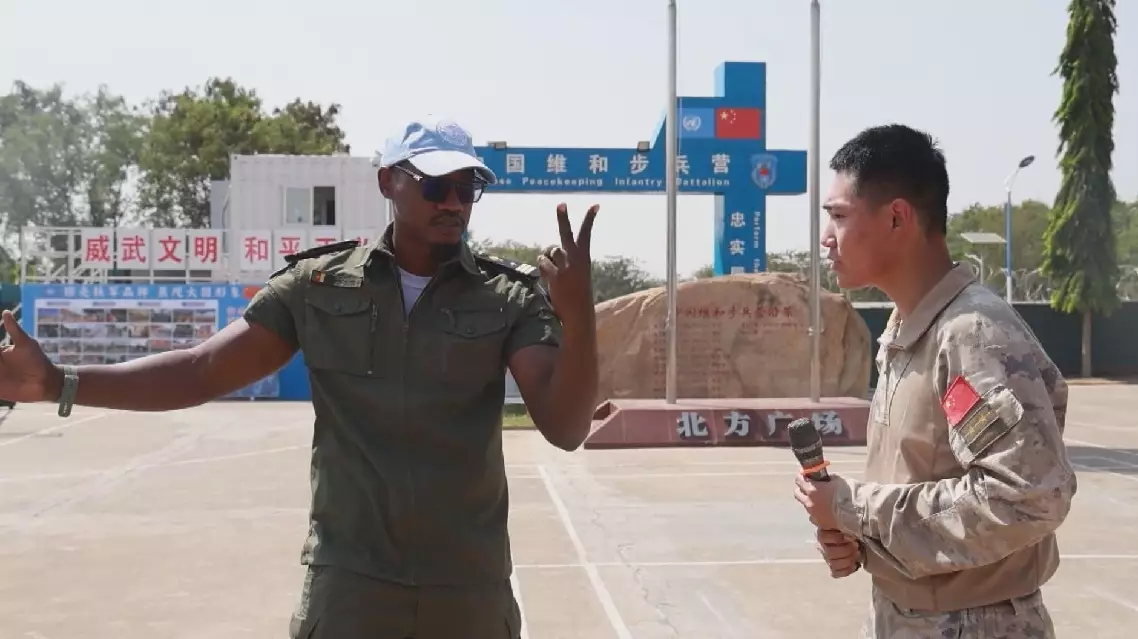
China's 12th peacekeeping infantry battalion to South Sudan completes UN induction training
Nicaragua's co-foreign minister Valdrack Jaentschke has warned that militarism must never be allowed to rise again, as Japan's recent moves to lift its arms export ban and revise the pacifist Constitution continue to draw international concern.
This year marks the 80th anniversary of the opening of the Tokyo Trials, where Japan's Class-A war criminals from World War II were brought to justice.
In an interview with China Global Television Network (CGTN), Valdrack Jaentschke voiced his concern that today's world order is being undermined by interventionism and other challenges.
"It is necessary for us to remember that after the end of World War II, countries worked hard to build a new international order based on international law. However, regrettably, more than 80 years later, we are seeing that this once explored and attempted order is being challenged by interventionism, a confrontational mindset, and tendencies like 'might makes right.' These are precisely the conditions that gave rise to fascism and militarism in the past, which ultimately led to the tragedy of World War II," he said.
He said the international community has a responsibility to pursue a new international order -- one fundamentally grounded in peace.
"Looking back at the history more than eight decades ago and comparing it with today's reality, it is our responsibility to recognize that the world should, and must, build a new international order that is more just, fairer, rooted in international law, based on a logic of mutual benefit and shared success, and fundamentally grounded in peace," said the minister.
"Today, as we revisit the Tokyo Trials, it is meant to remind the world that such a tragedy must never be repeated -- and that we must do everything in our power to prevent it from happening again. We must stop that dark world -- born from militarism, interventionism, and fascism -- from ever returning," he said.
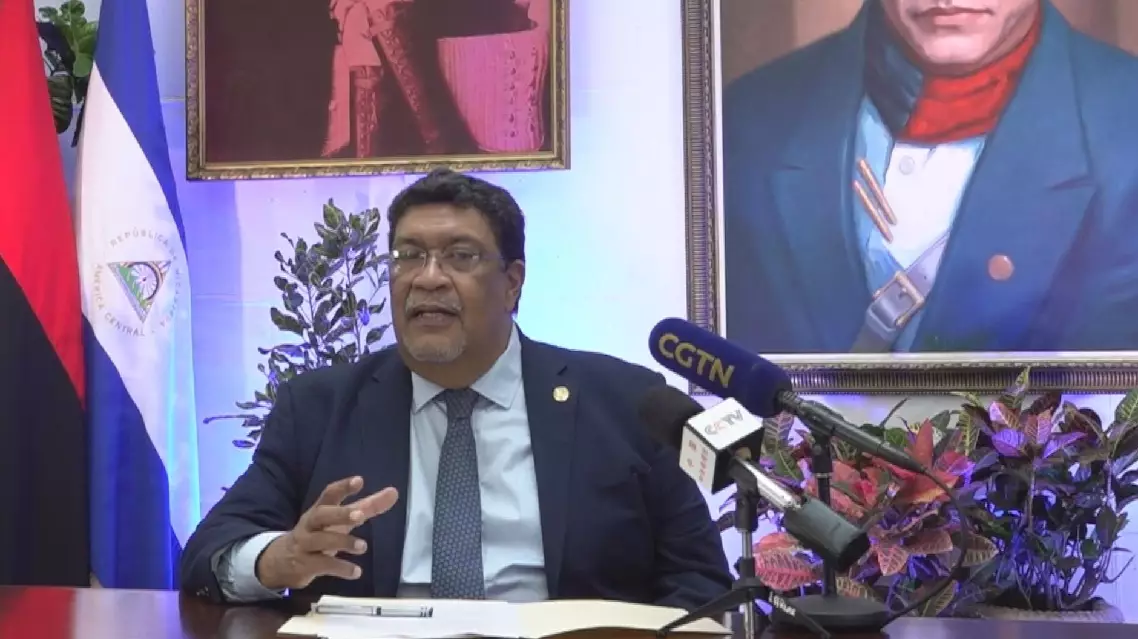
Nicaraguan FM warns of militarism revival