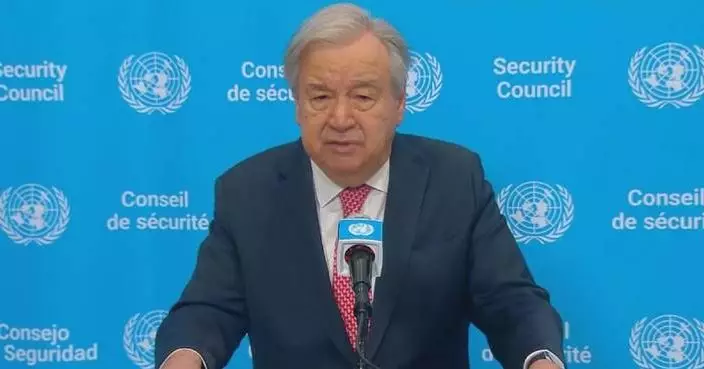
Yemen's Southern Transitional Council (STC), is denying that it is disbanding, after a Riyadh-based delegation of the group declared the dissolution of the council and all its political and military structures on Friday.
The council on Saturday issued a statement on social media, refuting reports of its dissolution, calling them "fabricated and invalid." This contradicts a claim made by its Secretary-General Abdulrahman Jalal al-Subaihi in a broadcast on Yemeni television on Friday.
The dissolution announcement follows the recent departure of STC leader Aidarous al-Zubaidi from Yemen amid intensified political tensions in Aden. His departure came ahead of Saudi-hosted dialogue talks on the future of southern Yemen, and amid growing internal divisions within the council.
The delegation is in Saudi Arabia as part of talks on the southern political track, marking a pivotal moment for a movement that has dominated Aden's political and security landscape in recent years.
The conflicting statements reveal deep internal divisions within the UAE-backed STC, amid heightened regional rivalry between Saudi Arabia and the United Arab Emirates.
Saudi Arabia has accused the UAE of helping the group’s leader, Aidarous al-Zubaidi, escape the country, while the STC has accused Riyadh of detaining its members and forcing them to make false statements.
As tensions rise, local authorities have imposed a citywide curfew across Aden over the past two days.
Official in charge of the Community Committees at the Southern Transitional Council
"From a security standpoint, those who have taken control of affairs in the interim capital, Aden, and in several southern provinces are southern armed forces, namely the Giants Brigades and the Southern Homeland Shield. There is no fear for the southern people. As for the public, they will return to the streets to demand secession from the Yemeni state," said Wakkas Ahmed, an official in charge of the Community Committees at the STC.
That curfew has since been lifted, according to security officials, as forces continue to monitor developments and maintain a visible presence throughout the city. But the group is now calling for mass protests in southern Yemeni cities.
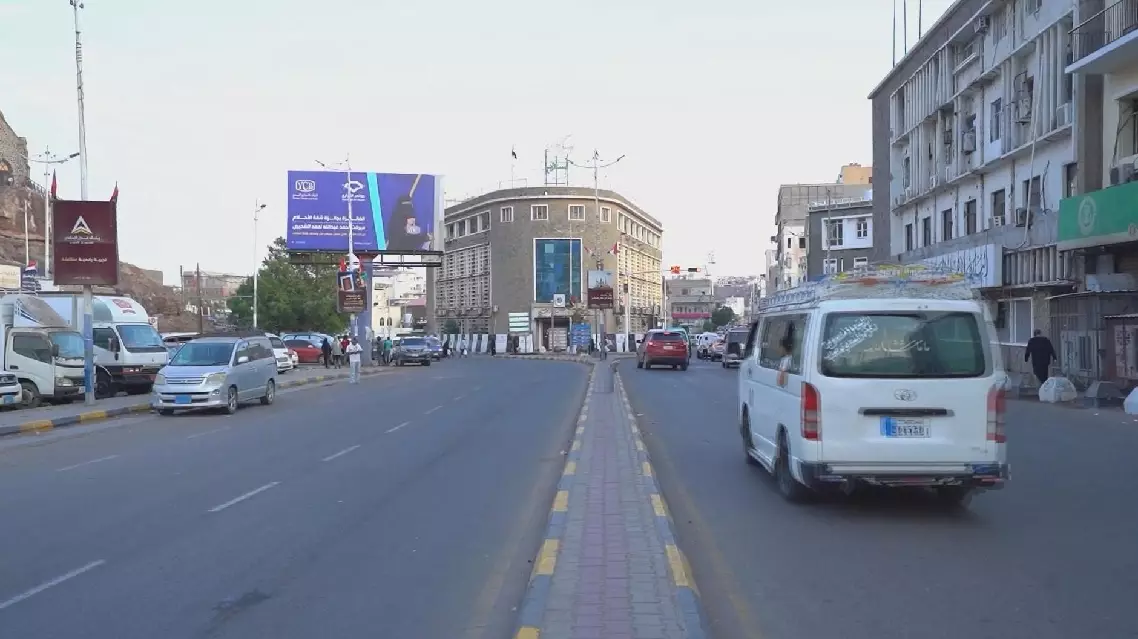
Southern Transitional Council denies its dissolution
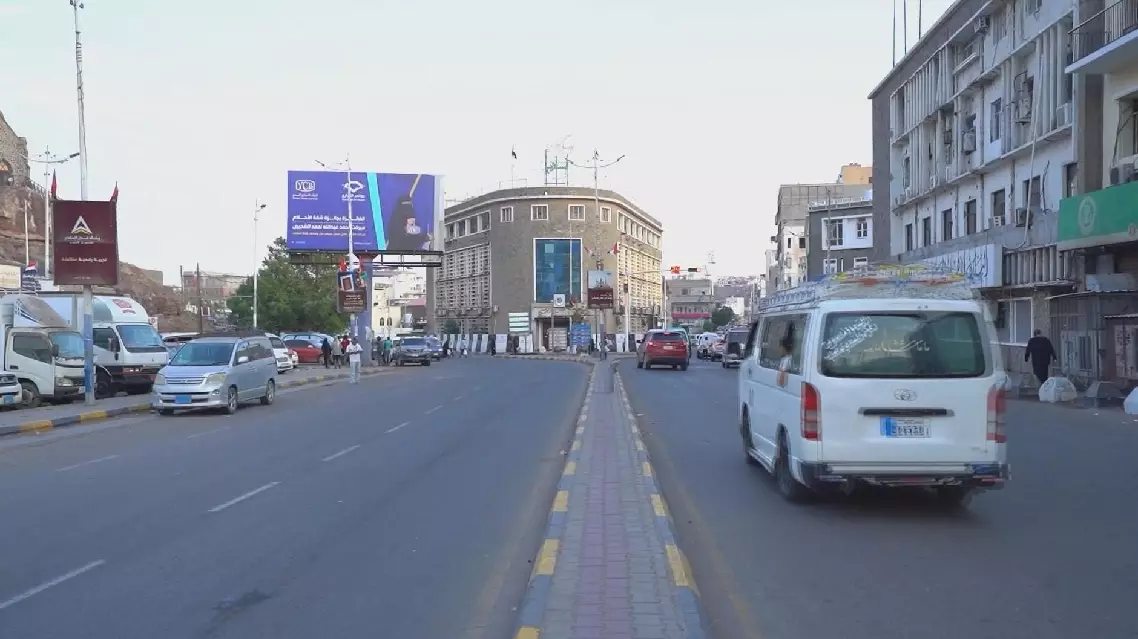
Southern Transitional Council denies its dissolution
China's two major power grid operators -- the State Grid Corporation of China (State Grid) and China Southern Power Grid (CSG) -- reported a surge in investment in the first quarter of 2026, underscoring efforts to strengthen infrastructure construction and support high-quality socioeconomic development in China.
The State Grid said it completed fixed-asset investment worth 129 billion yuan (about 18.77 billion U.S. dollars) in the first three months of this year, up 37 percent the corresponding period of the previous year. The spending has driven more than 250 billion yuan (36 billion U.S. dollars) of investment across the wider industrial chain.
Key projects such as the Panxi ultra-high-voltage (UHV) alternating current (AC) line and the Anhui-Hubei back-to-back direct current (DC) project have seen ground broken for their construction, while several west-to-east power transmission projects have been upgraded.
Investment in connecting renewable energy generation to the grid was reported to have exceeded 10 billion yuan (1.45 billion U.S. dollars) from January to March, a year-on-year rise of more than 50 percent.
The CSG also reported robust growth in investment in the three-month period, with fixed-asset investment reaching 38.45 billion yuan (5.58 billion U.S. dollars), up about 50 percent from a year earlier.
Among its achievements, the company completed and commissioned 80 key projects, including the 220 kV cross-sea power grid interconnection project, which was officially put into operation on March 20. The project ended years of grid isolation on the Weizhou Island in south China by linking it to the main power system of the Guangxi Zhuang Autonomous Region.
The construction of 17 other major energy projects, including one linking the power grid of the Xizang Autonomous Region in southwest China with that of Guangdong Province in south China, is advancing rapidly. These projects are expected to bolster regional industries, the maritime economy, digital collaboration and the transition to green energy.
"By accelerating major project construction, investment during the 15th Five-Year Plan period (2026-2030) is expected to approach 1 trillion yuan (145 billion U.S. dollars), driving a further 2 trillion yuan (290 billion U.S. dollars) of investment across upstream and downstream industries," said Dong Yanle, deputy general manager of the Engineering Construction Department under the China Southern Power Grid.
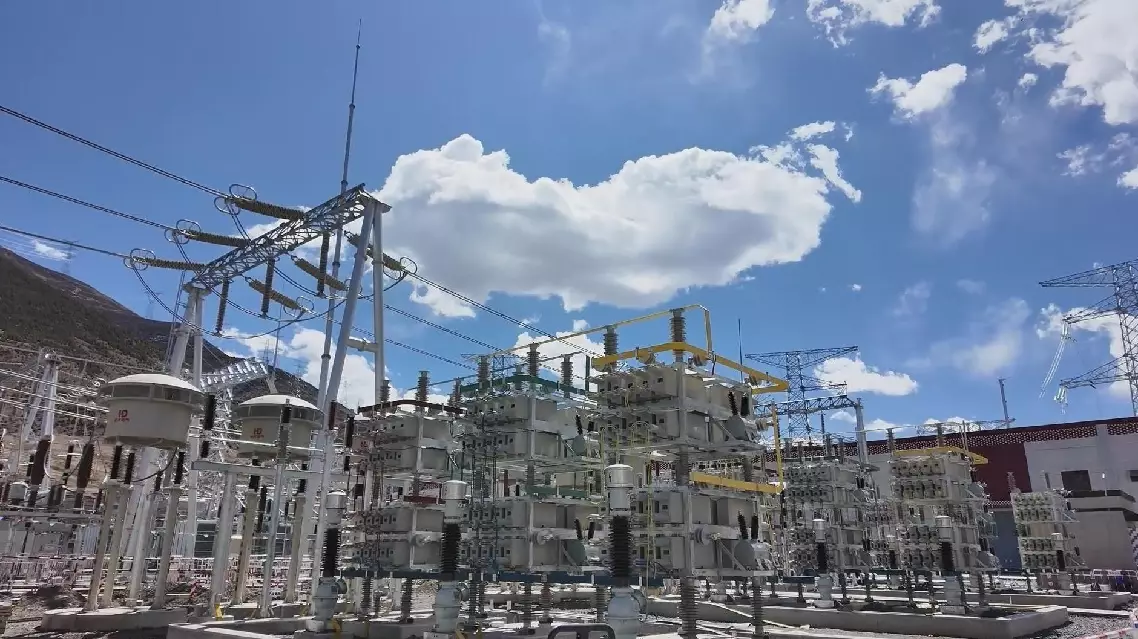
China ramps up power grid investment in January-March to boost growth