A Chinese public health team has intensified its efforts of disease prevention and control in Myanmar, tackling public health risks after a 7.9-magnitude earthquake struck the country in March.
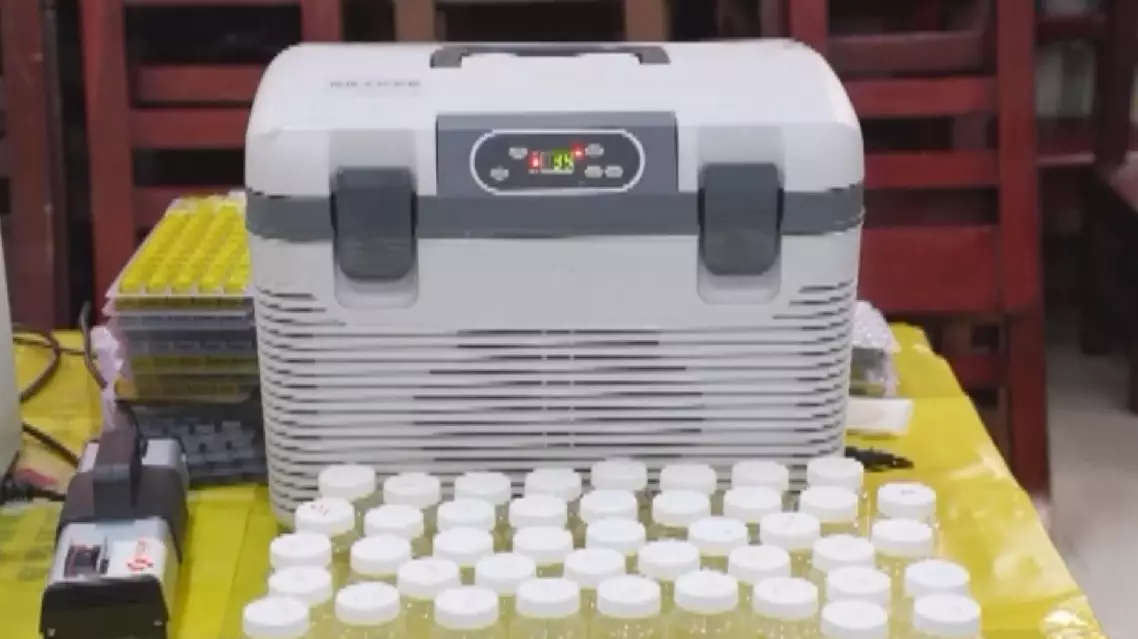
A temporary laboratory established by the China Public Health Team to Myanmar has been officially put into operation. It currently has a capacity for 80 testing projects, including 44 pathogen-related projects, 19 projects related to drinking water quality, and 17 projects related to food poisoning.
At the same time, the team has focused on conducting mosquito density monitoring and environmental disinfection in densely populated areas for disaster victims, as well as sampling and testing the drinking water and domestic water.
"Through testing, we can understand some of the hygiene conditions of the drinking water in the disaster area. At the same time, through our monitoring, we can implement interventions in various places to ensure the drinking water safety of the public and prevent the spread of water-borne infectious diseases," said Yang Zushun, head of the laboratory testing group.
The team's deployment is part of China's ongoing post-disaster relief mission. Its trip, which started on April 19, marks China's second health and epidemic prevention aid mission to Myanmar. The first team returned on April 6 after a nine-day deployment.
The 7.9-magnitude earthquake struck Myanmar on March 28. As of May 2, the earthquake has claimed 3,839 lives and injured 5,105 people, with 101 others remaining unaccounted for, according to Myanmar's official data.
Chinese team enhances efforts to tackle public health risks in Myanmar