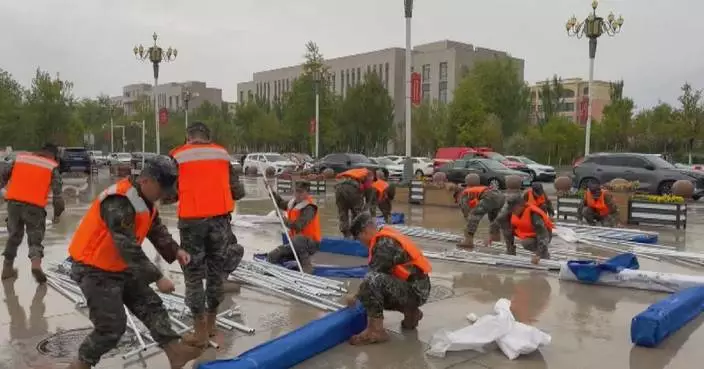
The United States' 25-percent tariff on all steel and aluminum imports, effective since March 12, has severely impacted EU steel producers, while American consumers are being forced to foot the bill for the protectionist policy.
As a cornerstone of Europe's traditional industries and economic foundation, the steel sector reported staggering losses. Data from the European Steel Association (EUROFER) revealed that the U.S. is the second largest export market for EU steel producers, accounting for 16 percent of total steel exports in 2024. However, steel exports to America have already plummeted since the tariff implementation.
"We have lost one million tons. We are talking of a value of around about two billion euros (about 2.26 billion U.S. dollars) which we have lost, and of course that leads to capacity reduction and job losses in Europe," explained Axel Eggert, Director General of EUROFER said in an exclusive interview with China Central Television.
Eggert criticized U.S. measures, emphasizing that they go beyond mere trade disputes to present strategic challenges to Europe's industrial framework.
European industry leaders are pressing the EU for a decisive response, asserting that the tariffs not only undermine the U.S.' goal of revitalizing steel production but are poised to trigger unintended negative consequences.
"We are expecting measures by the European Union to support our industry. That needs to be a firm reaction. So this would have a huge impact on U.S. steel users as well because they depend on steel imports from the European Union. There are a number of grades and products the U.S. steel industry is not producing. The costs for the U.S. steel users will increase by 25 percent if they cannot resource from the U.S. domestic market. And that is worrying for U.S. steel consumers," Eggert said.
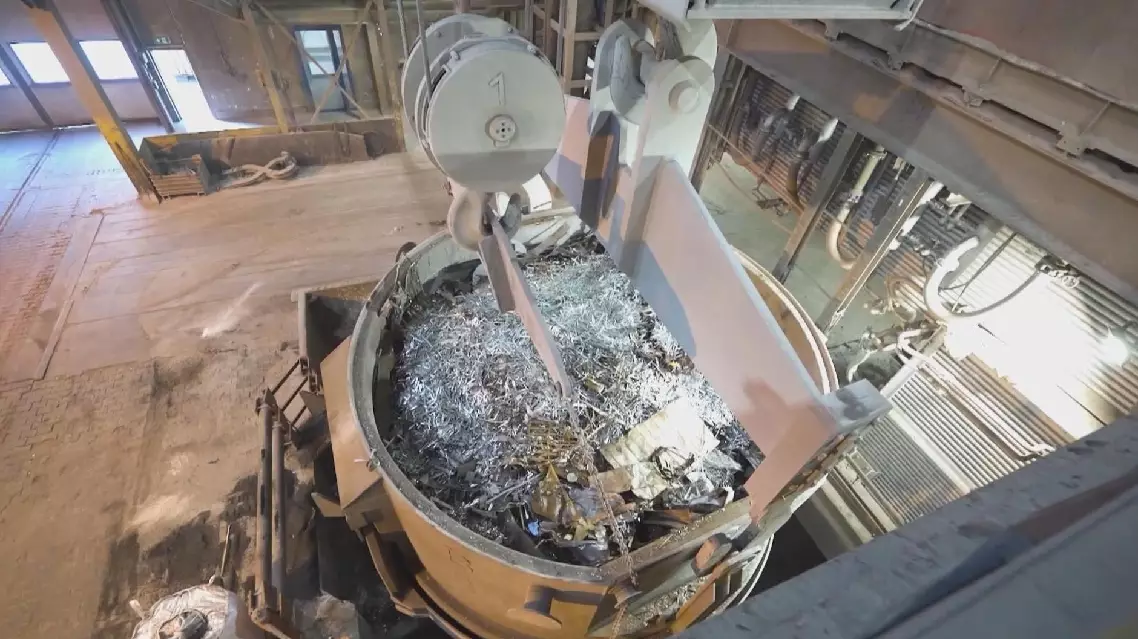
U.S. steel tariffs spark EU trade fallout, cost billions in losses
Some Iranians in Türkiye are crossing back over the border, driven by worry and desperation, as a nationwide communications blackout in Iran has left them cut off from their loved ones.
Protests have erupted in many Iranian cities since Dec. 28. They initially began with Tehran bazaar merchants demonstrating against the sharp devaluation of the national currency rial, and soaring inflation, before spreading to other cities. The unrest has led to casualties among both security forces and civilians.
At the Turkish-Iranian border, many are returning with no certainty about what awaits them, filled instead with questions and growing fear for those on the other side of the border.
"I went to Van yesterday for internet. I urgently needed to use the internet. I got it done. Now I'm heading straight back. There are protests everywhere. We can't get any news. We can't communicate with our families. And it's not just me, there are many Iranians outside the country who can't reach their families," said Feriste, an Iranian citizen.
With communications blacked out across Iran, those outside the country feel powerless to check on the situation back home. For some, this silence has prompted them to return across the border, even as tensions continue to rise.
"We can't get any news. There is no internet. Everything is shut down. I want to search. I want to find out. I want to see my brother. I'm going to see my family," said Husnu, an Iranian citizen.
"I work in Türkiye, and I have no news from Iran at all. I'm going back because I'm worried about my family. It's been days since I last heard from them, and because I'm worried, I'm returning to Iran now. Of course, we are concerned about our safety. We don't know what awaits us there," said another Iranian.
With protests escalating and government blackouts still in place, many Iranians are caught between staying in safety abroad and risking everything to reconnect with their families.
"We had to come to Türkiye because we couldn't reach our families. Schools were closed already. All official institutions were shut down. We have no information about other cities either, because there is no communication network there. There is no television, no internet. We can't even check Twitter," said Nazlican, another Iranian citizen.
Iranians in Türkiye return home, fearing for their families amid unrest in Iran