This year's May Day holiday in China, which ran from May 1 to May 5, saw businesses thrive as consumers spent big on travel, entertainment and culture.
According to China's Ministry of Commerce, sales at key retail and catering companies across the country increased by 6.3 percent year on year, and online retail sales increased by 9.3 percent year on year.
The "debut economy" was an important driving force in igniting consumer enthusiasm during the holiday with Shanghai playing host to a number of new product releases, store openings, and new exhibitions, which also boosted sales at nearby dining, accommodation, and shopping venues.
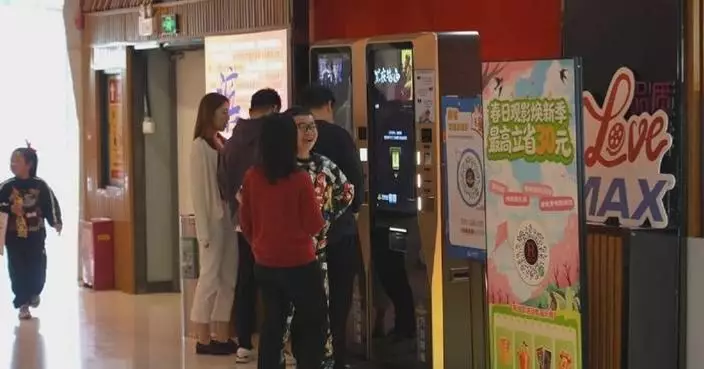
"Before the store opened at 10:00, there were already more than 300 customers waiting at the door," said Li Wei, deputy general manager of Shanghai New World Co., Ltd.
Foot traffic on 50 pedestrian streets and commercial districts in Shanghai monitored by the Ministry of Commerce increased by 6.4 percent year on year with consumers in Shanghai spending 59.46 billion yuan (about 8.18 billion U.S. dollars) online and offline, a year-on-year increase of 13.1 percent.
In Hangzhou, capital of east China's Zhejiang Province, wholesale, retail, catering, accommodation, and entertainment enterprises raked in 15.7 billion yuan (about 2.16 billion U.S. dollars).
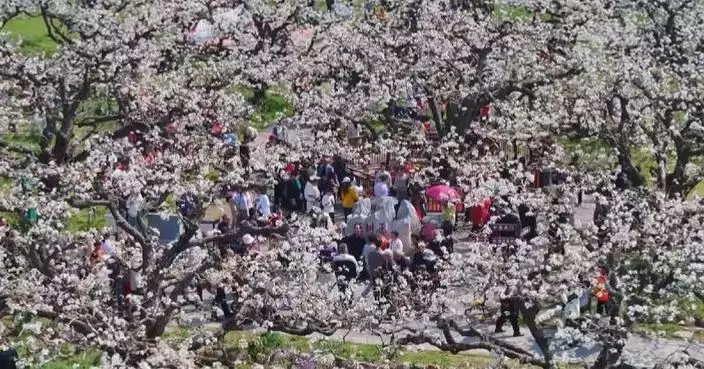
Another notable feature of this year’s holiday was the appetite for rural travel, with data from travel platform Qunar showing that long-distance travel bookings increased by nearly 30 percent year on year with remote locations offering a broad range of entertainment including art exhibitions, horse racing, and off-road driving.
"Young people are now more willing to visit the countryside to watch village galas and listen to village songs, seeing it as a new and refreshing experience," said tourist Hu Fang.
During the holiday, more than 20 music festivals took place across the country. People watched cross-genre performances combining Cantonese opera and martial arts, sipped coffee in cliffside cafes, and “time-traveled” through ancient streets and towns to experience the lively atmosphere of historical marketplaces. The traditional "ticket economy" is evolving into a more expansive "interactive experience economy."
"During the May Day holiday, sales of our food, snacks, cultural and creative products, accommodation and other service products all increased by more than 120 percent year on year," said Xie Aiyu, director of the Culture, Sports and Tourism Bureau of Longhai District in Zhangzhou City in east China's Fujian Province.
During the five-day holiday, trade-ins of old consumer goods and sales of energy-saving products were also very popular, with digital products such as mobile phones, tablets, and smart watches selling nearly 600,000 pieces a day on average, and home appliances selling nearly 900,000 units a day on average.
Sales of home appliances, automobiles and communication equipment at retailers monitored by the Ministry of Commerce increased by 15.5 percent, 13.7 percent, and 10.5 percent year on year respectively, and sales of smart home products on e-commerce platforms increased by more than 20 percent year on year.
Thirteen provinces and municipalities hosted the "Quality Chinese Products for Global Trade" series of events, attracting over 9,000 foreign trade enterprises and buyers, with buyers agreeing to total intended purchases exceeding 16.7 billion yuan (approximately 2.3 billion U.S. dollars).
"We have opened a 1,300-square-meter foreign trade exhibition area in the shopping malls of The Central and Cenbest, organized more than 60 companies to move in, so that more consumers can enjoy these foreign trade products with better quality and better prices," said Li Jian, director of the Circulation Department at the Nanjing Municipal Commerce Bureau.

Travel, brand debuts and shopping drive consumer spending during China's May Day holiday