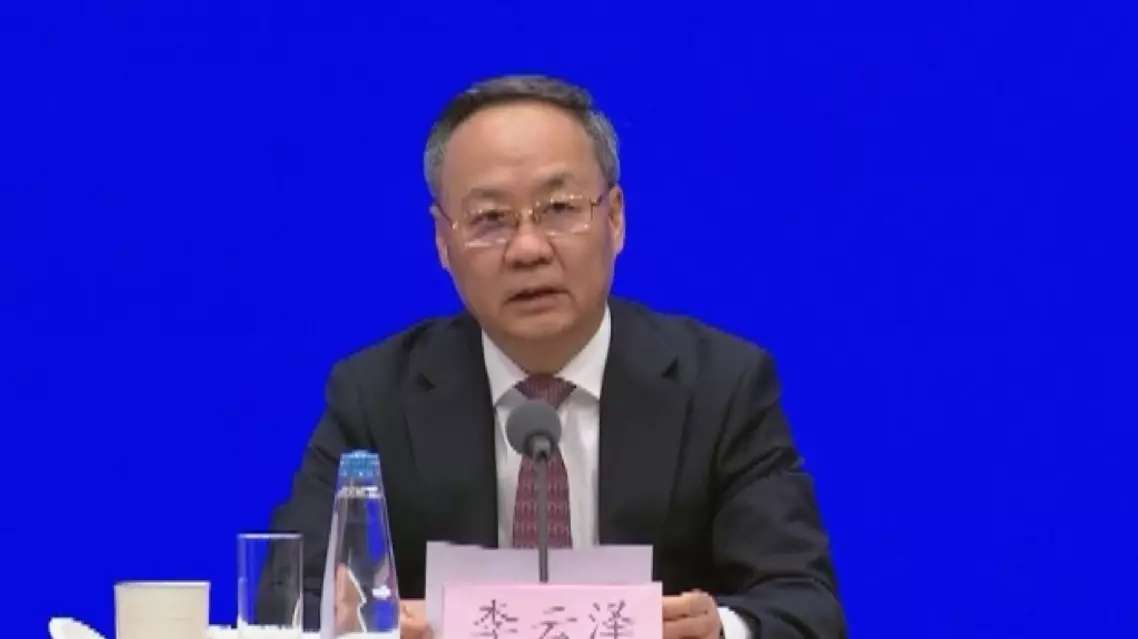
China's new personal housing loans in the first quarter of 2025 registered the largest increase since 2022, indicating further recovery of the real estate sector, Li Yunze, head of the National Financial Regulatory Administration (NFRA) said on Wednesday.
Underscoring the government's efforts to support the real estate sector, Li said at a press conference in Beijing that loans to white-listed real estate companies approved by commercial banks have increased to 6.7 trillion yuan, supporting the construction and delivery of over 16 million housing units.
This has effectively stabilized the real estate market, Li said.
"The positive changes in the real estate market are reflected in the credit data for the first quarter. The balance of real estate loans increased by over 750 billion yuan during this period and new personal housing loans saw the largest single-quarter increase since 2022. The housing rental loans grew by 28 percent year-on-year," Li said.
Looking ahead, the administration plans to further refine financing systems to align with the new development of the real estate market and prioritize both essential and improved housing demands, so as to further stabilize the real estate sector, he said.
China's new personal housing loans saw largest single-quarter rise since 2022
China's movie industry is increasingly deriving its earnings from broader consumer economy.
Released during the 2025 summer season, the film "Nobody" became China's highest-grossing two-dimensional animated film -- and its success went beyond theaters.
Through licensing and brand partnerships, the movie has generated 2.5 billion yuan (about 358.3 million U.S. dollars) in retail sales to consumers, with more than 800 licensed products on the market.
Ranging from plush toys to food and home goods, the movie-related merchandise can be purchased from over 3,000 online and offline outlets.
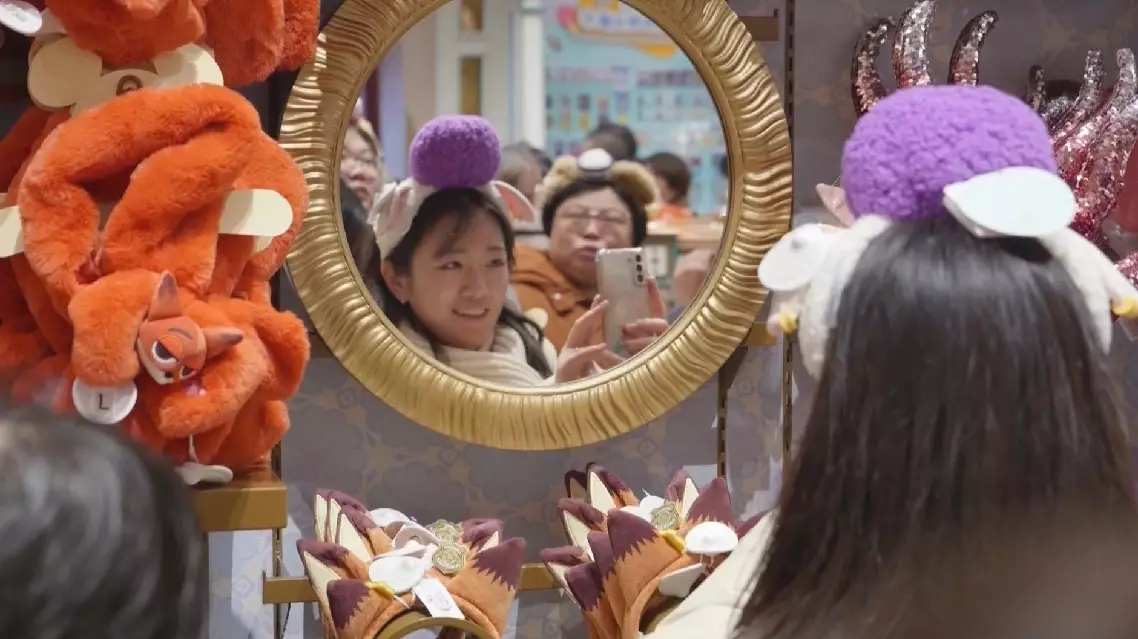
Meanwhile, souvenir stores are crowded at Shanghai Disneyland's Zootopia themed land, with hats, plush toys, and collectibles seeing steady demand from visitors.
"China's film industry is no longer defined by box office revenue alone. It has become a new growth engine that links and energizes multiple cultural sectors. At the heart of every successful film is strong storytelling. High-quality productions create cultural value, which in turn enhances the commercial value of intellectual property and opens up new consumption opportunities. I believe China's film industry delivered an outstanding performance in the past year," said Chen Xiaoda, vice dean of Shanghai Vancouver Film School.
Film IP fuels expansion of consumer market