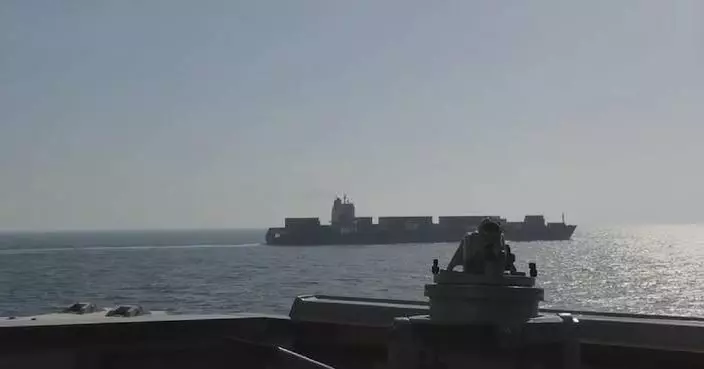
Two warships independently developed by China have arrived at the Changi Naval Base in Singapore and will be open to the public at the ongoing International Maritime Defense Exhibition (IMDEX) Asia 2025.
IMDEX Asia 2025, which opened on Tuesday at the Changi Exhibition Center, is one of the most influential defense events in Asia. China has participated in the exhibition for many consecutive sessions. This edition of the exhibition has attracted more than 100 companies from countries and regions around the world, focusing on displaying the latest maritime sci-tech achievements in the fields including artificial intelligence technology, and ship power systems.
The two warships of the Chinese Navy participating in the event are Xuchang Ship and Chishui Ship.
Xuchang Ship is a Type 054A missile frigate with a full load displacement of over 4,000 tons. It is capable of carrying out sea assault, air defense and anti-missile missions. Since it was commissioned in 2017, the ship has participated in a number of major training and exercise missions and maritime escort operations.
Chishui ship is a Type 082II minehunter and minesweeper, capable of performing minehunting and remote-controlled minesweeping missions, protecting the navigation safety of waterways and important ports.
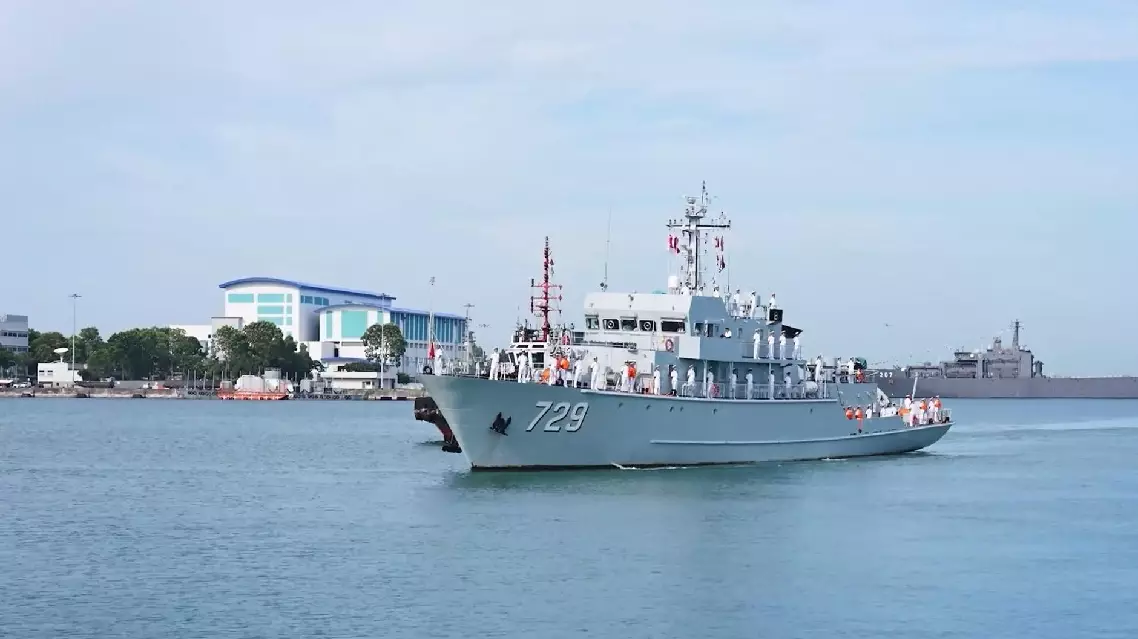
Chinese warships arrive in Singapore for maritime defense exhibition
The first phase of the 139th China Import and Export Fair, also known as the Canton Fair, closed on Sunday with a record number of overseas buyers, the organizer said.
As of 5 p.m. on Sunday, about 167,000 overseas buyers from 216 countries and regions had attended the offline exhibition, up 5.9 percent from the same period of the previous edition, according to the China Foreign Trade Center.
The turnout, the highest for any first phase of the fair, underscored the resilience and vitality of China's foreign trade, it said.
The first phase of the fair, themed "advancing manufacturing," featured more than 25,000 booths, 740,000 products and over 12,000 exhibitors.
AI smart appliances, drones, new energy vehicles, and precision CNC machine tools were all on display. Spanning intelligent manufacturing, new energy, and high-end equipment, the showcase highlights the innovation capacity and vitality of China's advanced industrial system.
A total of 324 new product launch events were held, providing companies with an effective platform for networking and collaboration.
"We want to expand our relationship, and also bring innovation from here to Germany much faster, or to do European market much faster," said Kevin Klingler, a German purchaser.
This year's fair is being held in three offline phases in Guangzhou, south China's Guangdong Province, and will run through May 5. The second phase, scheduled from April 23 to 27, will focus on "quality home life," including building materials, furniture, household products, gifts and decorations.
Established in 1957, the Canton Fair takes place twice a year in Guangzhou. It is the longest-running of several comprehensive international trade events in China, and it has been hailed as the barometer of China's foreign trade.
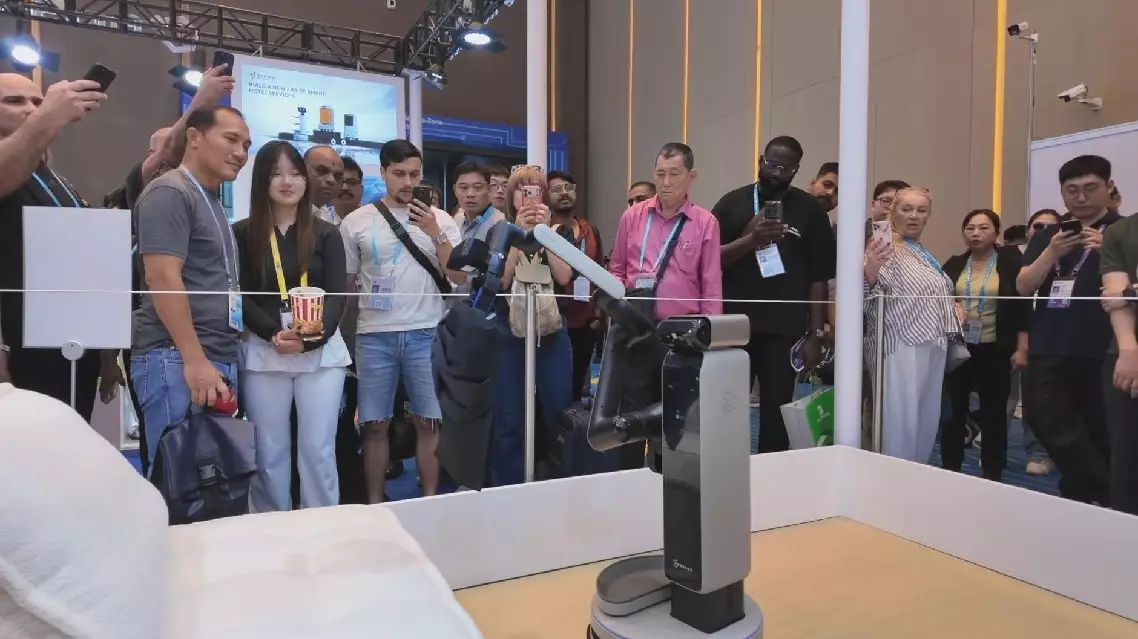
Int'l buyers hit record for 1st phase of China's Canton Fair