The European Commission said Wednesday that it is keeping a close eye on any potential risks to the European Union (EU)'s gas and oil supply amid the escalating tensions in the Middle East.
The European Commission's gas coordination group and oil coordination group held separate meetings on Wednesday, during which the Commission and EU countries took stock of the situation concerning the gas and oil security of supply to the 27-member bloc.
The meetings came as price of natural gas in the EU has surged by as much as 60 percent over the past few days, with futures breaking through 56 euros per megawatt hour to hit a three-year high on Wednesday, driven by the shutdown of a liquefied natural gas facility in Qatar and shipment disruptions in the Strait of Hormuz.
According to a European Commission press release, EU countries confirmed no immediate security risks to natural gas supply, but expressed concerns over the surging prices of oil and natural gas.
The Commission will continue to monitor the situation and keep regular communication with EU countries and market participants. In case of a prolonged closure of the Strait of Hormuz or further disruptions, the EU security of oil and gas supply will be reassessed, said the press release.
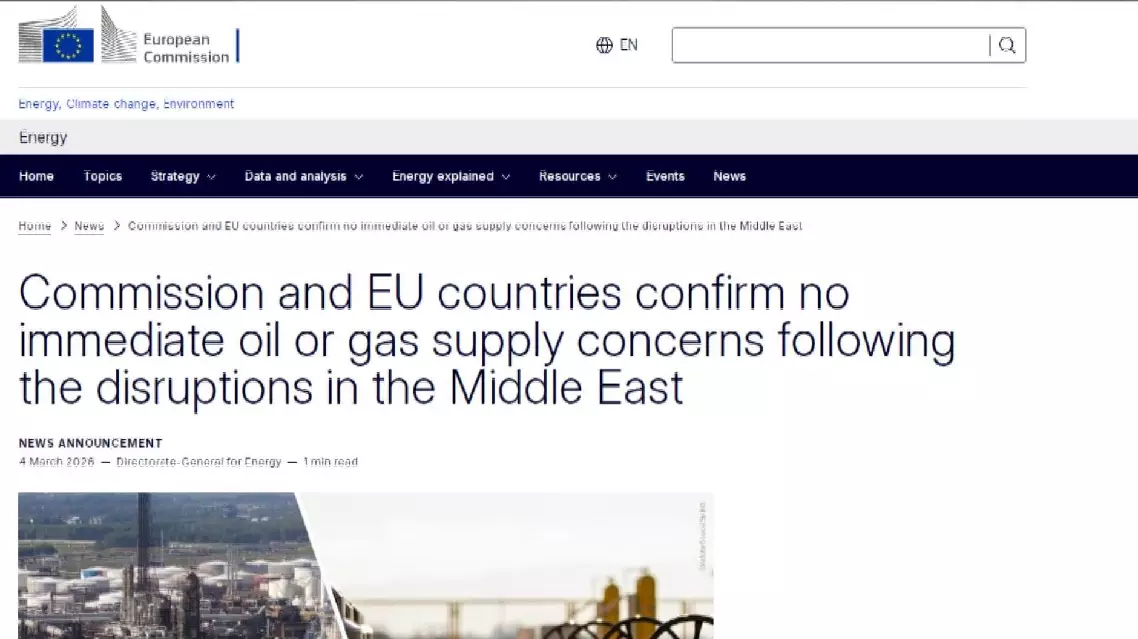
EU closely watching Middle East tensions' impact on energy supply
A closed-door preliminary hearing was held on Wednesday at the Moscow Arbitration Court in a lawsuit filed by the Bank of Russia against Euroclear over the frozen Russian assets.
The case marks the latest legal move by Russia's central bank to recover assets frozen in Europe, with the entire pretrial session conducted behind closed doors after the plaintiff requested confidentiality, citing the involvement of banking and state secrets.
In the next stage of the case, a substantive hearing scheduled for April 10, will also be held closed-door, according to the court. Russian experts say a favorable ruling in domestic courts could lay the groundwork for further legal action at the international level.
The Bank of Russia has indicated that it is considering pursuing its claims through international courts and arbitration bodies and will seek recognition and enforcement of any rulings in member states of the United Nations.
In December 2025, the Council of the European Union announced a decision to freeze Russian assets within the bloc indefinitely. Following the move, the Russian central bank filed a lawsuit with the Moscow Arbitration Court, seeking more than 18 trillion rubles (about 231 billion U.S. dollars) in compensation from Euroclear, which holds a substantial portion of the frozen funds.
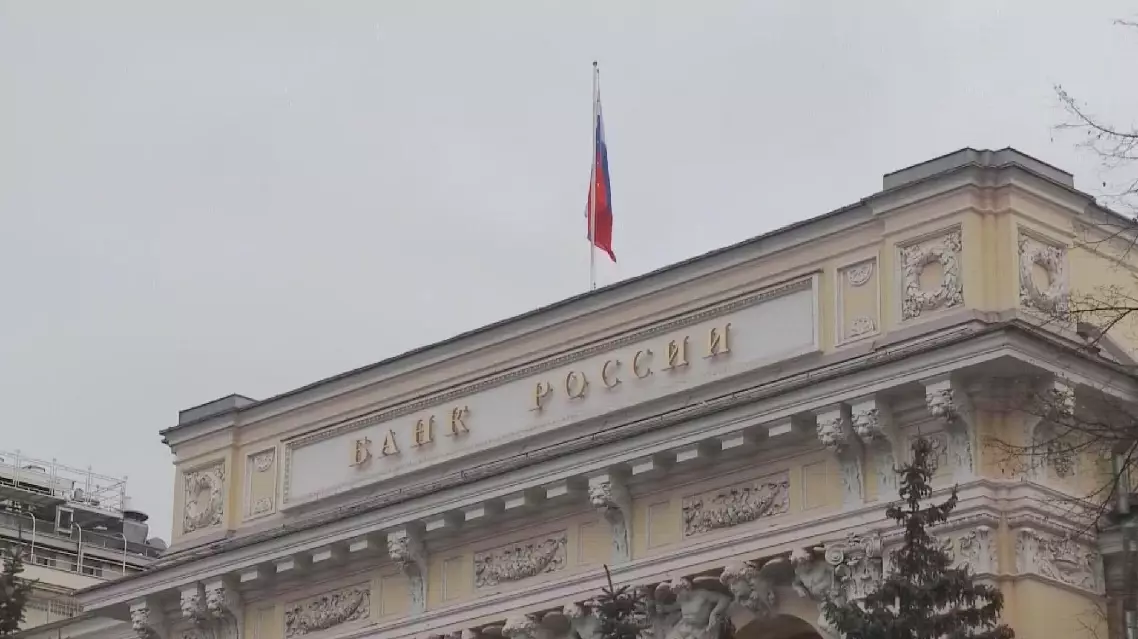
Russia holds closed-door hearing over frozen asset in Moscow