The booming consumption figures and scenes during the May Day holiday have fully reflected the resilience and potential of China's economy, said a Chinese Foreign Ministry spokesman on Thursday.
According to statistics, during the five-day holiday starting May 1, the sales revenue of consumption-related industries nationwide increased by 15.2 percent year on year, the average daily number of exits and entries made by Chinese and foreign visitors reached 2.179 million, a year on year increase of 28.7 percent, said spokesman Lin Jian at a regular press briefing in Beijing.
Lin noted the number of foreign nationals entering and leaving the country was 1.115 million, a year-on-year increase of 43.1 percent, and the sales of inbound tourism increased by about 90 percent.
"The booming holiday consumption reflects the vitality and potential of China's booming economy. From China Travel to 'China Shopping', institutional opening-up measures are being transformed into real attractions for foreign tourists. At the just-concluded Canton Fair, a number of indicators such as the number of overseas buyers attending the fair and the on-site intended export transactions set new historical records. The number of leading multinational purchasing companies reached 376, a record high, reflecting that the business communities of various countries continue to be optimistic about the long-term positive development of China's economy. The 'China Business Environment Development Report (2025)' recently released by China fully demonstrated the determination and sincerity of the Chinese government to continue to create a market-oriented, rule-of-law, and internationalized first-class business environment for Chinese and foreign companies," said Lin.
Temporary storms cannot overturn the giant ship of China's economy, nor can they stop the Chinese people from pursuing and striving for a better life, according to Lin.
"Policy innovations and market vitality have resonated concertedly. Demand releasing and supply enrichment have worked in the same direction. These are the codes of China's economic resilience and the basis and confidence that China can withstand external risks and challenges and achieve steady high-quality development. China will always be committed to high-level opening up, win-win cooperation, and providing 'engine power' for world economic growth," said Lin.
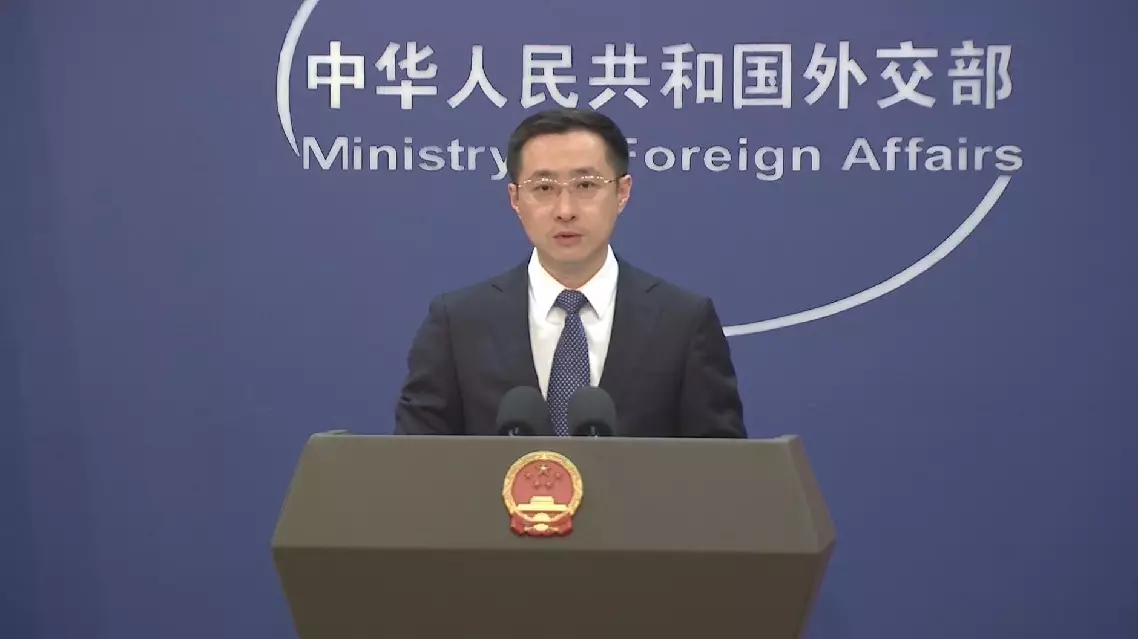
Booming holiday consumption reflects China's economic resilience, potential: spokesman
The extended ceasefire between Lebanon and Israel is a welcome respite for many families and businesses, yet for many, the cost of war is still felt every day.
Months after trying to recover from the 2024 war between Israel and Hezbollah, renewed violence has again displaced families, driven up prices and shaken confidence in an already fragile economy.
In Beirut's Hamra district, displaced shop owner Mohammad Maatouk is fighting to keep his business running. Even amid the ceasefire, his falafel business has been pushed into survival mode.
"Before the war, things were cheaper than they are now. The situation has become much harder. Everything has gone up: oil, gas, vegetables, pickles, plastic," he said.
For Maatouk, the challenges of being displaced from his home in Dahieh, south of Beirut, are compounded as he strives to keep working in a city where everything costs more.
Deliveries are harder, roads feel less safe, and ingredients are more expensive, but raising prices too much risks losing customers who are also struggling.
"We are still trying to sympathize with people, to feel their pain, because we are a part of the people," said Mohammad.
Hamra, in the heart of Beirut, has become one of the places absorbing people displaced by the renewed fighting — from Dahieh, the south, the Bekaa and other affected areas. That has brought more movement to cafes, shops and streets, but it also means more pressure on rent, food, electricity and basic services in a city that was already stretched.
"When those refugees come, the economic sector boomed, you have the cafe booms and the supermarket worked more. I don't want to say that we have had more influx of cash, but usually there has been more liquidity in the market and there has been more liquidity in the souks and in the supermarkets. Now, unfortunately, these people are not looking for jobs. They're not working," said Maan Barazy, an economic expert.
What appears to be a surge in business activity in Lebanon is not necessarily economic recovery. Much of it reflects survival spending by people displaced once again, even as the country attempts to rebound from the last war.
Renewed fighting, even amid the fragile ceasefire, is now damaging tourism, trade, agriculture and infrastructure -- the very sectors Lebanon needs to rebuild confidence.
Lebanon's Health Ministry said Saturday that the cumulative toll from Israeli attacks between March 2 and April 25 had reached 2,496 killed and 7,725 wounded.
A ceasefire between Israel and Lebanon took effect at midnight between April 16 and 17, following weeks of intensified cross-border fighting linked to the U.S.-Israeli war with Iran.
U.S. President Donald Trump said Thursday that the current 10-day ceasefire would be extended by three weeks.
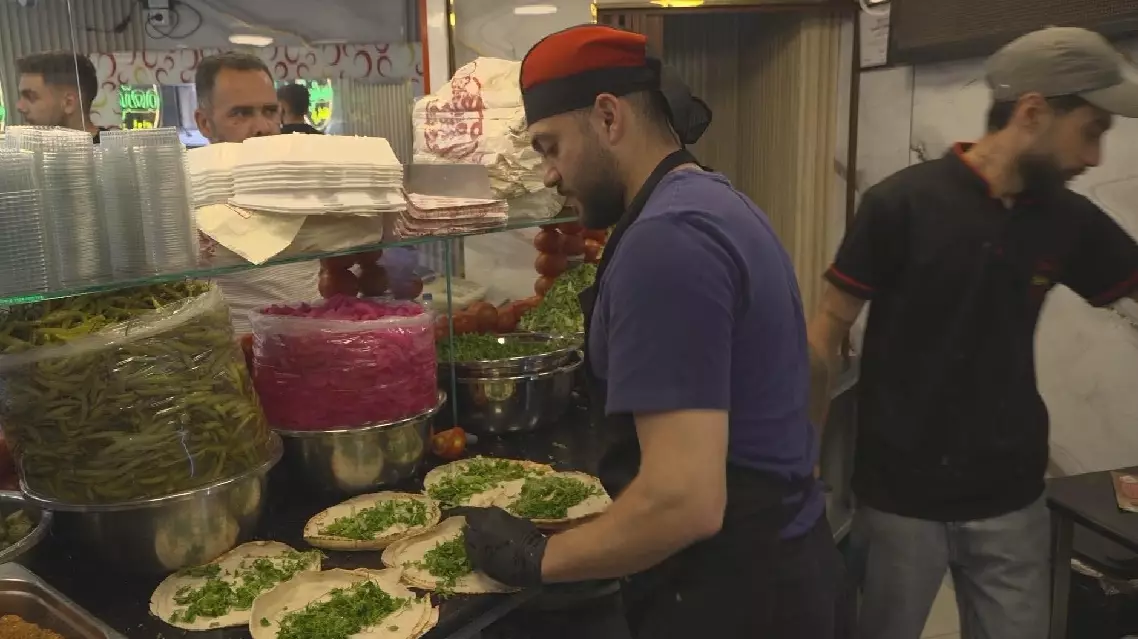
Pain persists as Lebanon's displaced families struggle to survive