The United States' use of tariffs as a pressure mechanism not only reshapes trade negotiations but also mirrors its efforts to retain global influence amid growing concerns over the dollar's devaluation in international trade, said a Cuban scholar.
The remarks come amid the U.S. administration's recent tariff increases on Caribbean exports. On April 9, U.S. President Donald Trump announced a 38 percent tariff on goods exported from Guyana and a 10 percent tariff on exports from other Caribbean nations.
In an interview with China Central Television (CCTV) on Wednesday, Pavel Aleman, a professor at the University of Havana, emphasized that tariffs would have a significant impact on consumer goods in the Caribbean region, making life more expensive for the residents who rely on imports from the U.S.
"Tariffs imposed by the Trump administration will lead to inflation [in the U.S.], which will increase the cost of living, especially of products imported from the United States. This is highly likely to happen. And of course, this will make living costs more expensive for the local (Caribbean) people," he said.
He also noted that the U.S. is leveraging these tariffs to pressure other nations and reinforce its hegemony to safeguard its geopolitical interests.
"I believe that, in some way, the U.S. is transferring part of the burden of its own public debt and conceal the way the dollar has been devalued in international trade, especially the use of the dollar in international trade in recent years. The country uses the increase in tariffs as a pressure mechanism. This then allows it to negotiate bilaterally with other countries and make the requests, which span across various areas, not just trade. In this context, you will realize that the U.S. perceives this region (Caribbean) as their natural geopolitical sphere of influence, and if it was to lose the hegemony over the area, it would automatically decline in the global hierarchy of powers," Aleman said.
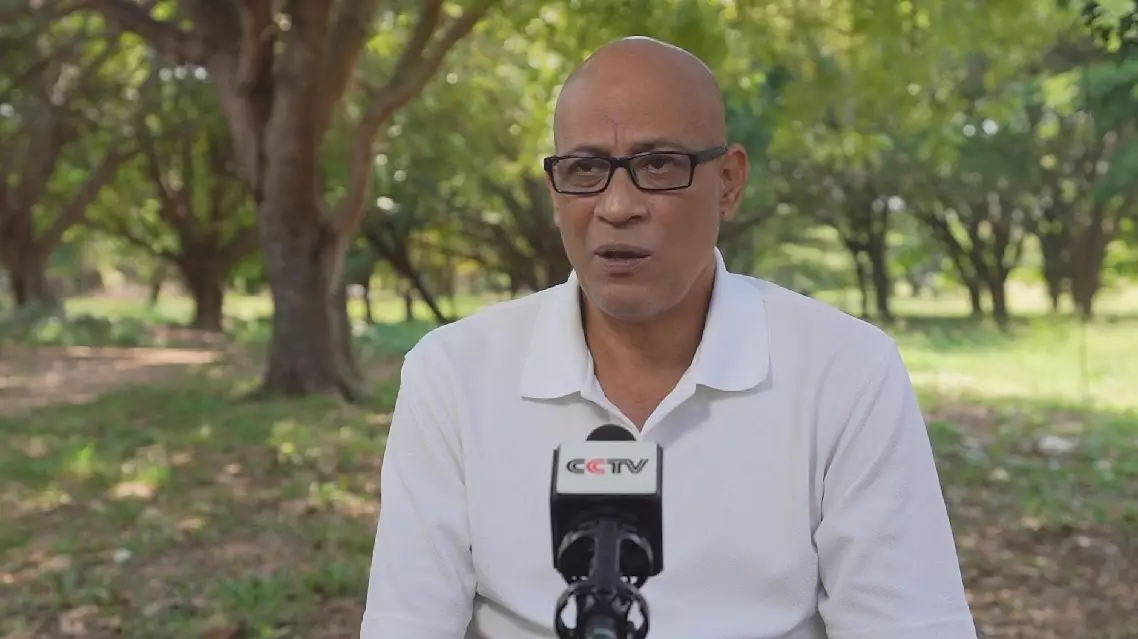
Cuban scholar criticizes U.S. tariff policy as tool for maintaining hegemony
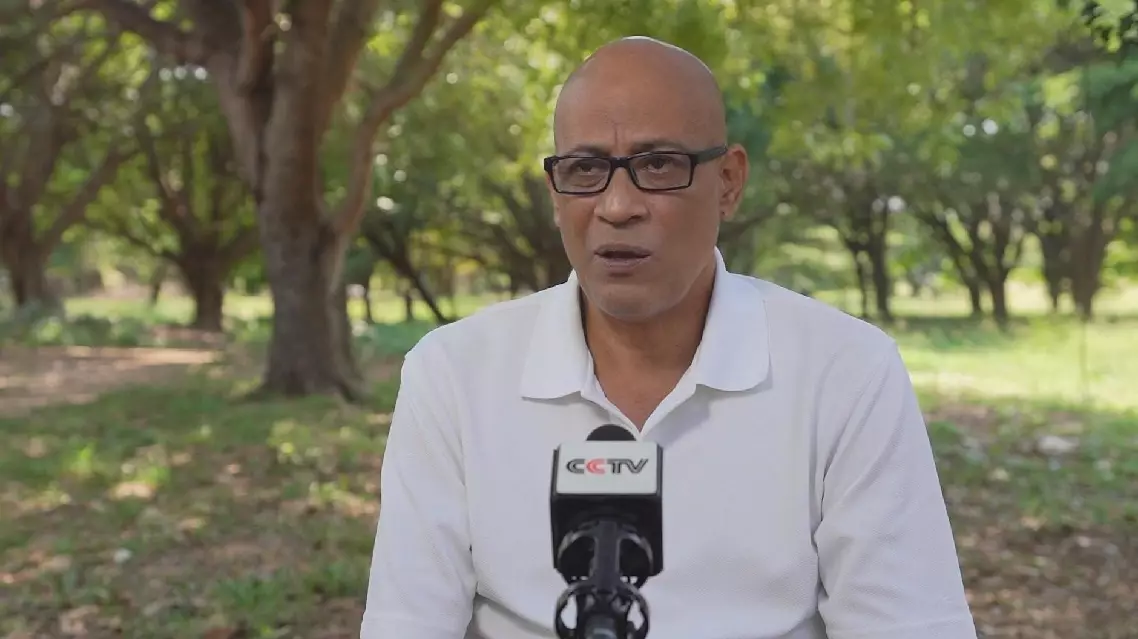
Cuban scholar criticizes U.S. tariff policy as tool for maintaining hegemony