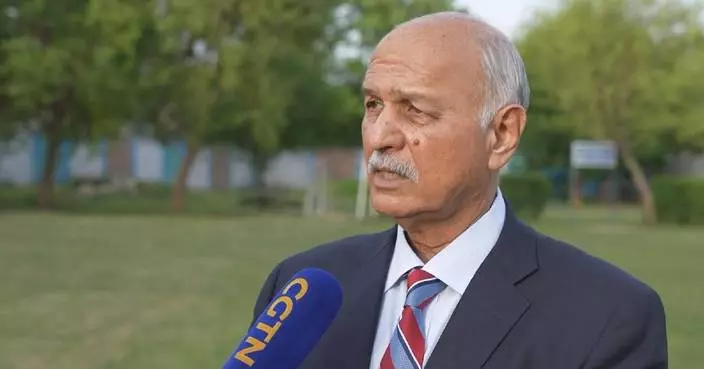
Peru's Exporters Association (ADEX) held the First Cocoa and Coffee Trade Forum on Friday in Lima, where attendees stated that the tariff barriers imposed by the United States are impacting various industries in the country, including agriculture.
Luis Alberto Solano, head of aviation business of ADEX, said that the rise in tariff has led to a reduction in their export volume.
"The increase in tariffs came as a surprise. Some goods are already about to arrive in the United States as originally planned. This has, to some extent, reduced our export volume. [Things will not get better] unless the matter is resolved, perhaps by reducing tariffs or renegotiating prices," said Solano.
Nicolas Chavez, general manager of Cacaosuyo, a well-known chocolate brand in Peru, said that the company is reassessing the annual expected export volume.
"Our exports to the United States have declined. The expected annual export volume has indeed decreased, impacting our initial export plans. It is necessary to reassess the annual expected export volume," said Chavez.
Participants of the forum also expressed that the United States' tariff policies will backfire American society and consumers.
"We believe that the increase in commodity prices may also trigger inflation in the United States, thereby dampening consumption," said Cesar Tello, president of ADEX.
Peru has requested that the United States suspend a 10 percent tariff on Peruvian goods. According to the country's foreign minister, the new tariff violates the spirit of the U.S.-Peru Free Trade Agreement, under which 98 percent of Peruvian exports to the United States are supposed to enter duty-free.
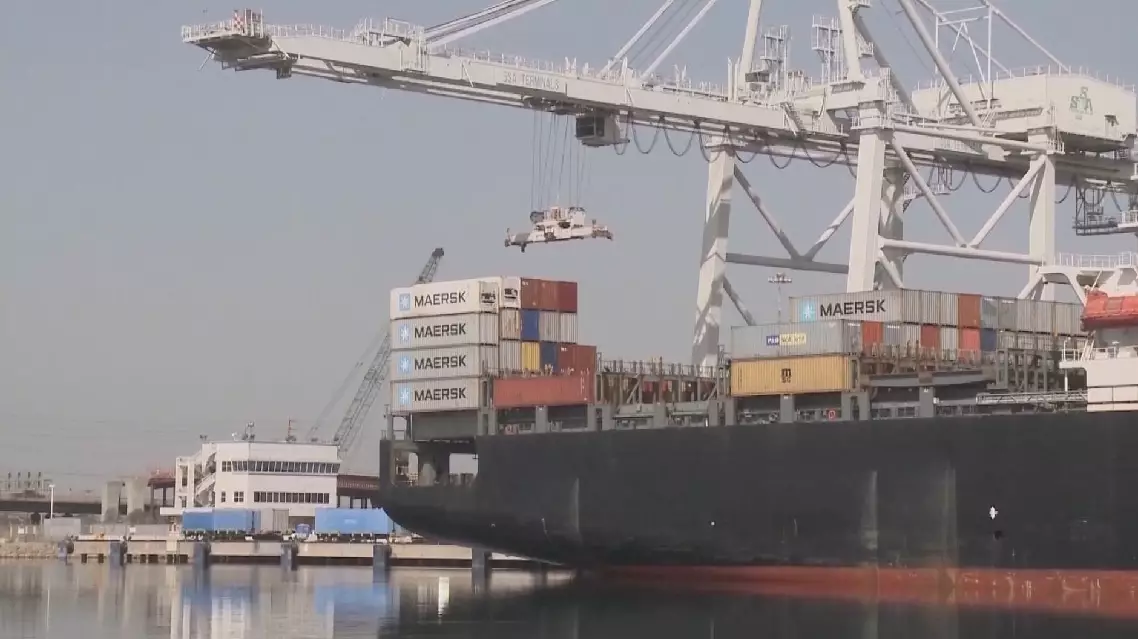
Peruvian exporters voice concerns over US tariff hikes
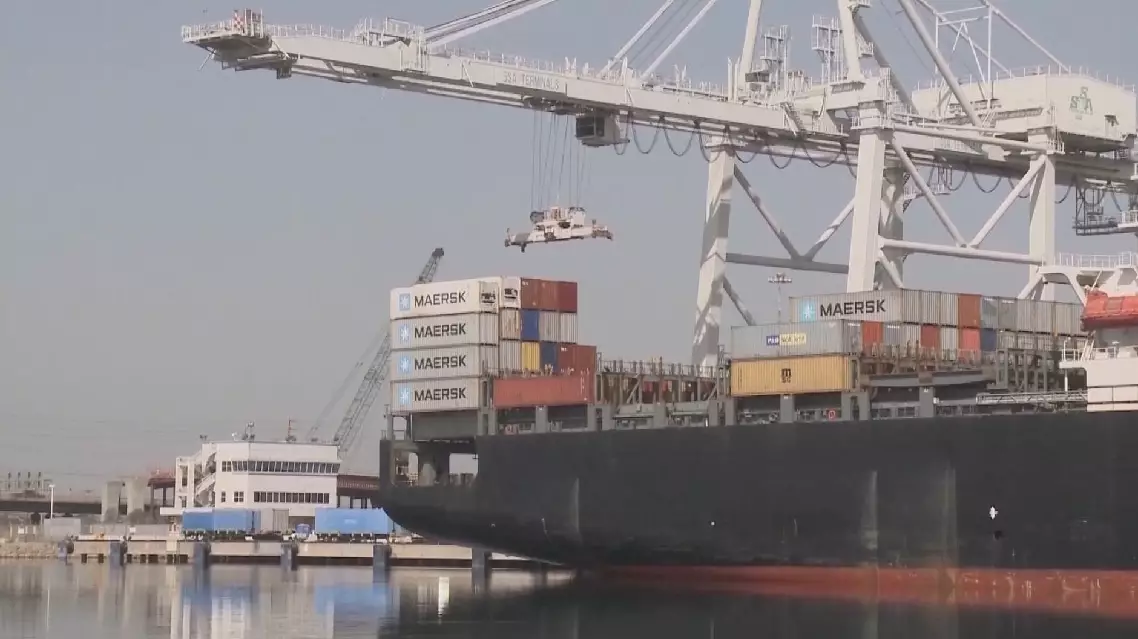
Peruvian exporters voice concerns over US tariff hikes
China and Thailand on Friday agreed to strengthen strategic alignment and enhance cooperation in various fields in a meeting between Thai Prime Minister Anutin Charnvirakul and Chinese Foreign Minister Wang Yi.
Noting the current turbulent international situation, Anutin said Thailand firmly adheres to the one-China policy and is willing to work with China to implement the consensus reached by the heads of state of the two countries.
Thailand is ready to work with China to resolutely combat online gambling and telecommunications fraud to further make the friendship between Thailand and China rooted in people's hearts, he said.
Anutin extended his gratitude for China's unremitting efforts in helping properly resolve the border conflict between Thailand and Cambodia, adding that he looks forward to China continuing to play a constructive role.
Noting China is a reliable and dependable strategic cooperative partner of Thailand, Wang, also a member of the Political Bureau of the Communist Party of China Central Committee, said that the saying "China and Thailand are one family" has a solid public opinion and social foundation and is showing even broader prospects.
Wang said that, facing a volatile international situation, China is willing to deepen mutual respect, trust and support with Thailand, and carry forward traditional friendship.
China stands ready to expand cooperation with Thailand in new energy, infrastructure, agriculture and other fields, promote the building of a more stable, prosperous and sustainable China-Thailand community with a shared future, and continuously make new contributions to regional stability and development, Wang said.
He expressed the hope that Thailand will intensify its efforts to crack down on online gambling and telecommunications fraud, creating a favorable environment for bilateral relations.
As a common friend of Thailand and Cambodia, China is willing to continue to build a platform for the two sides to engage in dialogue, rebuild mutual trust and improve relations, according to Wang.
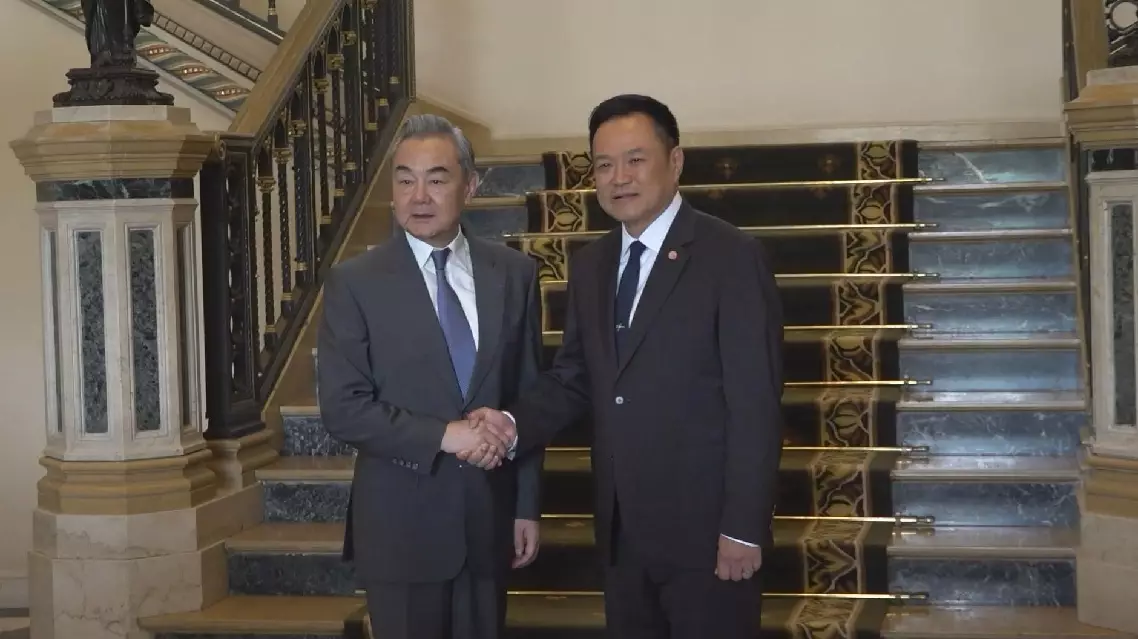
China, Thailand agree to strengthen strategic alignment, enhance cooperation
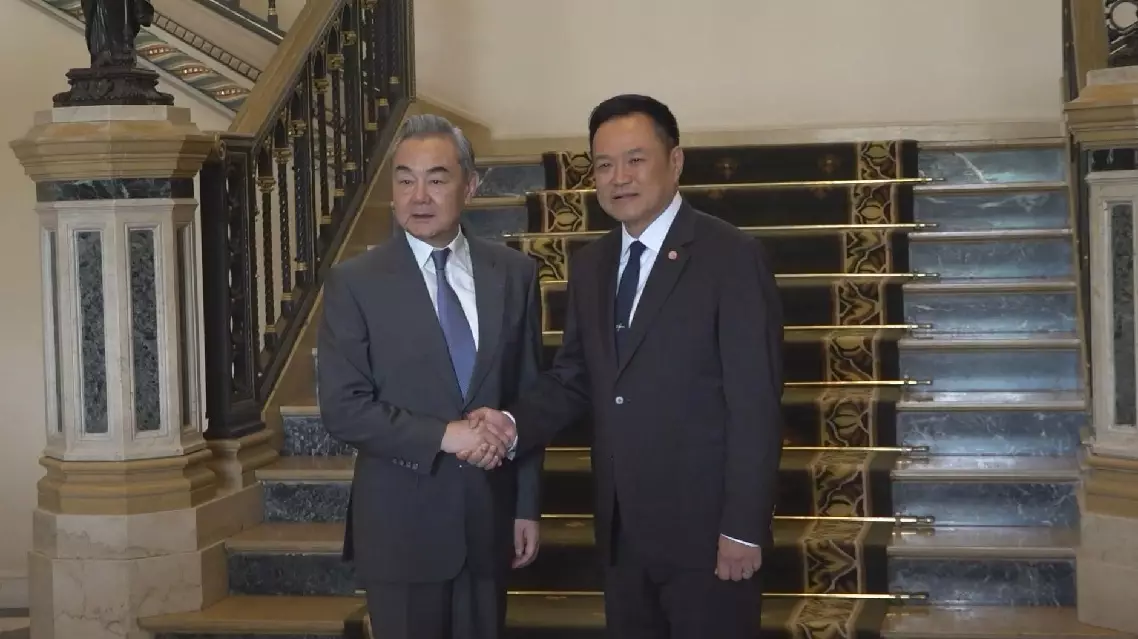
China, Thailand agree to strengthen strategic alignment, enhance cooperation
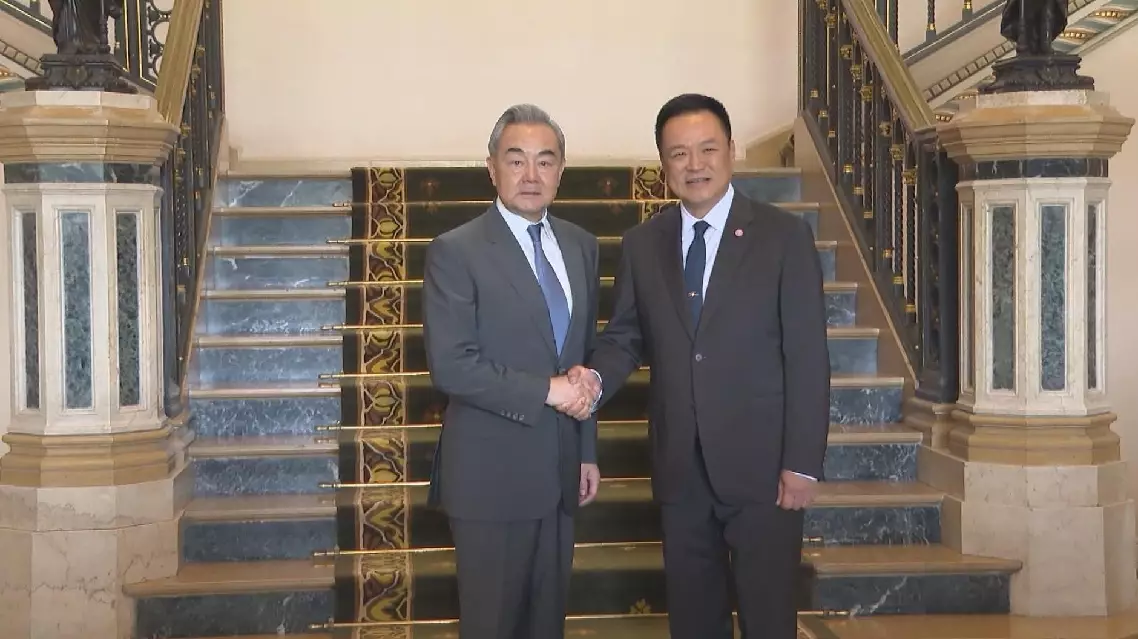
China, Thailand agree to strengthen strategic alignment, enhance cooperation