CHICAGO (AP) — Growing up in the former Soviet Union, Pedro Spivakovsky-Gonzalez’s father and grandparents would listen to Voice of America with their ears pressed to the radio, trying to catch words through the government’s radio jamming.
The U.S.-funded news service was instrumental in helping them understand what was happening on the other side of the Iron Curtain, before they moved to the United States in the 1970s.
Click to Gallery
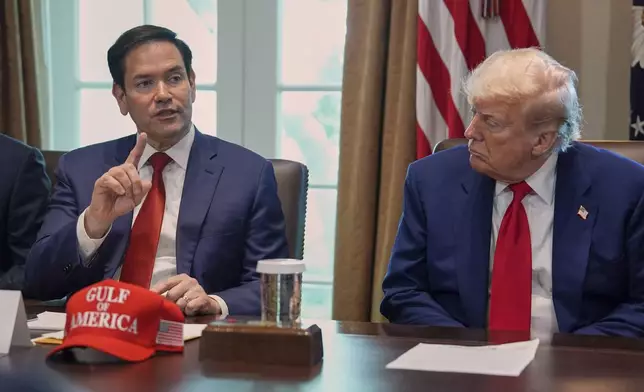
Secretary of State Marco Rubio speaks during a cabinet meeting at the White House, Wednesday, April 30, 2025, in Washington, as President Donald Trump look on. (AP Photo/Evan Vucci)
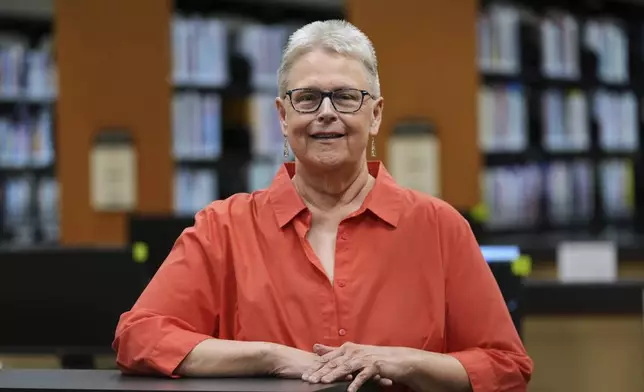
Lisa Brakel poses at the Bedford Branch Library in Temperance, Mich., Tuesday, May 6, 2025. (AP Photo/Paul Sancya)
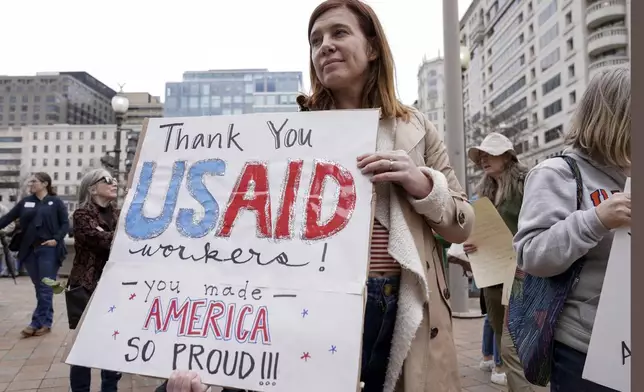
FILE - A person carries a sign in support of the United States Agency for International Development (USAID) workers, as they carry their personal belongings after retrieving them from the USAID's headquarters in Washington, Feb. 27, 2025. (AP Photo/Jose Luis Magana, File)
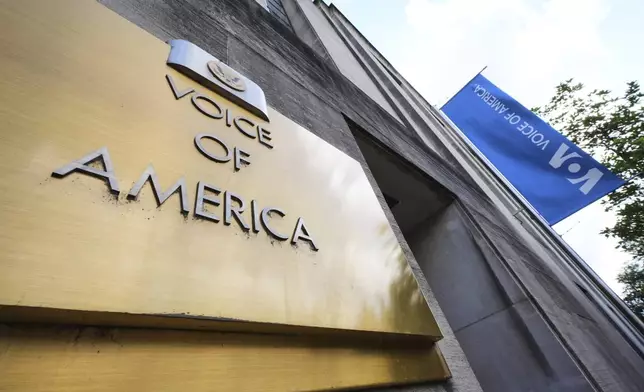
FILE - This is the Voice of America building in Washington, May 5, 2025. (AP Photo/Gene J. Puskar)
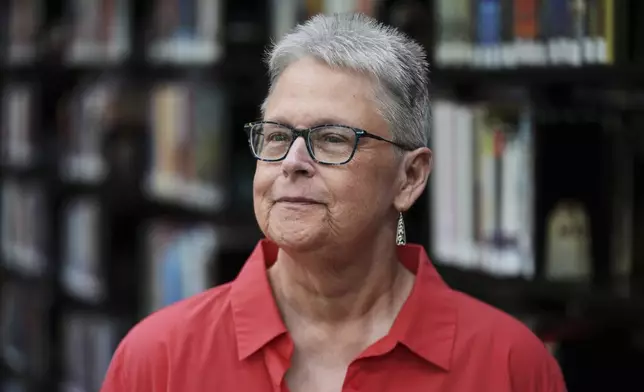
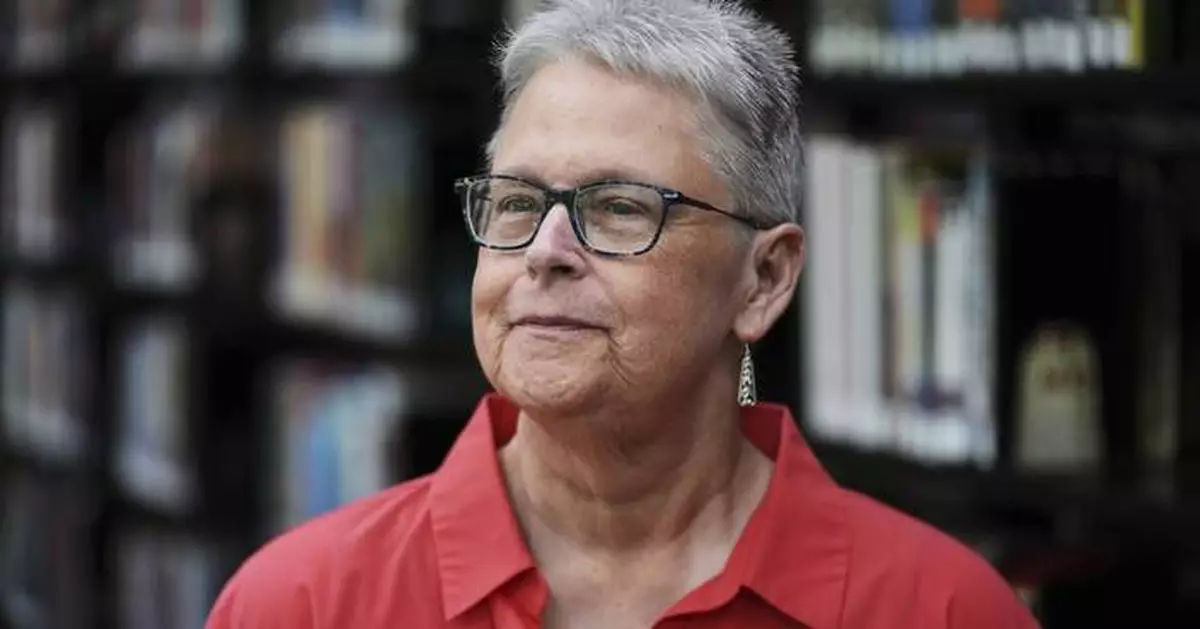
Lisa Brakel poses at the Bedford Branch Library in Temperance, Mich., Tuesday, May 6, 2025. (AP Photo/Paul Sancya)
“It was a window into another world,” Spivakovsky-Gonzalez said. “They looked to it as a sort of a beacon of freedom. They were able to imagine a different world from the one they were living in.”
When Spivakovsky-Gonzalez and his family heard of President Donald Trump’s attempts to dismantle the U.S. Agency for Global Media — the agency that oversees VOA, Radio Free Europe and Radio Free Asia –- he said it was a “gut punch.”
The first months of the second Trump administration have delivered blow after blow to American efforts to promote democracy abroad and pierce the information wall of authoritarian governments through programs that had been sustained over decades by presidents of both political parties.
The new administration has decimated the Agency for Global Media, restructured the State Department to eliminate a global democracy office and gutted the U.S. Agency for International Development, which just last year launched an initiative to try to halt democratic backsliding across the globe. In all, the moves represent a retrenchment from the U.S. role in spreading democracy beyond its borders.
Experts say the moves will create a vacuum for promoting freedom and representative government, and could accelerate what many see as anti-democratic trends around the world.
“The United States has historically been the leading power in spreading democracy globally. Despite different administrations, that has remained the case –- until now,” said Staffan Lindberg, a political science professor at the University of Gothenburg in Sweden.
David Salvo, managing director for the Alliance for Securing Democracy at the German Marshall Fund, said promoting democracy abroad has been “a pillar of American foreign policy in the last 50 years” as a means of ensuring more stable, peaceful relationships with other countries, reducing the threat of conflict and war, and fostering economic cooperation.
Yet among Trump’s early actions was targeting democracy programs through the State Department and USAID, which had launched a new global democracy initiative at the tail end of Democrat Joe Biden’s presidency. The Treasury Department halted funding to the National Endowment for Democracy, and Secretary of State Marco Rubio said in April he would shutter a State Department office that had a mission to build “more democratic, secure, stable, and just societies.”
Funding cuts have hit the National Democratic Institute, the International Foundation for Electoral Systems and U.S. nonprofits that have worked for decades “to inject resources into environments so that civil society and democratic actors can try to effect change for the better,” including through bolstering unstable democracies against autocrats, Salvo said.
Whether global democracy programs are worth funding was central to a hearing Thursday held by a U.S. House Foreign Affairs subcommittee as Rep. Maria Salazar, R-Fla., repeatedly asked how to “ensure our return on investment is really high.”
About 1.2% of the federal budget went to foreign aid in the 2023 fiscal year, according to the Pew Research Center.
“I understand the committee is interested in how we can improve ... and get back to basics,” Tom Malinowski, a former Democratic congressman from New Jersey and assistant secretary of state for democracy, human rights and labor under President Barack Obama, told lawmakers. “The problem is the administration is eliminating the basics right now.”
Uzra Zeya, who leads the international nonprofit Human Rights First after serving in the Biden State Department, said it was “heartbreaking and alarming" to watch the U.S. essentially dismantle its democracy and human rights programs.
"The potential long-term impacts are devastating for U.S. national security and prosperity," she said.
For more than 80 years, VOA and its related outlets have delivered news across the world, including to more than 427 million people every week in 49 languages, according to a 2024 internal report. The broadcaster began during World War II to provide Germans with news, even as Nazi officials attempted to jam its signals. The Soviet Union and China attempted to silence its broadcasts during the Cold War. Iranian and North Korean governments have also tried to block access to VOA for decades.
But the most successful attempt to silence VOA has been through its own government. It was effectively shut down in March through an executive order.
Lisa Brakel, a 66-year-old retired librarian in Temperance, Michigan, said VOA was a “mainstay” when she was a music teacher in Kuwait in the 1980s. She and her colleagues would listen together in the apartment complex where the American teachers were housed, using it as a way to stay up-to-date with U.S. news.
“When I saw the news, I thought, ‘No, they can’t shut this down. Too many people depend on that,’” Brakel said. “As a librarian, any cuts to free access to information deeply concern me.”
The broadcaster’s future remains in flux after a federal appellate court paused a ruling that would have reversed its dismantling. This was just a day after journalists were told they would soon return to work after being off the air for almost two months. Even if they are allowed back, it's not clear the mission would be the same. This past week, the Trump administration agreed to use the conservative and heavily pro-Trump media network OAN’s feed on VOA and other services.
In Asia, dismantling Radio Free Asia would mean losing the world’s only independent Uyghur language news service, closing the Asia Fact Check Lab as it reports on misinformation from the Chinese Community Party, and curbing access to information in countries such as China, North Korea and Myanmar that lack free and independent media, the broadcaster’s president, Bay Fang, said in a statement.
“Their invaluable work is part of RFA’s responsibility to uphold the truth so that dictators and despots don’t have the last word,” Fang wrote in May in The New York Times.
Experts who monitor global democracy said the information gap created by the administration will embolden U.S. competitors such as Russia and China, which already are at work trying to shape public opinion.
Barbara Wejnert, a political sociologist at the University at Buffalo, who studies global democracies, said diplomatic efforts through U.S. broadcasters and democracy nonprofits helped precipitate a “rapid increase in democratizing countries” in the late 20th century.
“Especially today when the truth is distorted and people don’t trust governments, spreading the notion of freedom and democracy through media is even more vital,” she said.
The Associated Press receives support from several private foundations to enhance its explanatory coverage of elections and democracy. See more about AP’s democracy initiative here. The AP is solely responsible for all content.
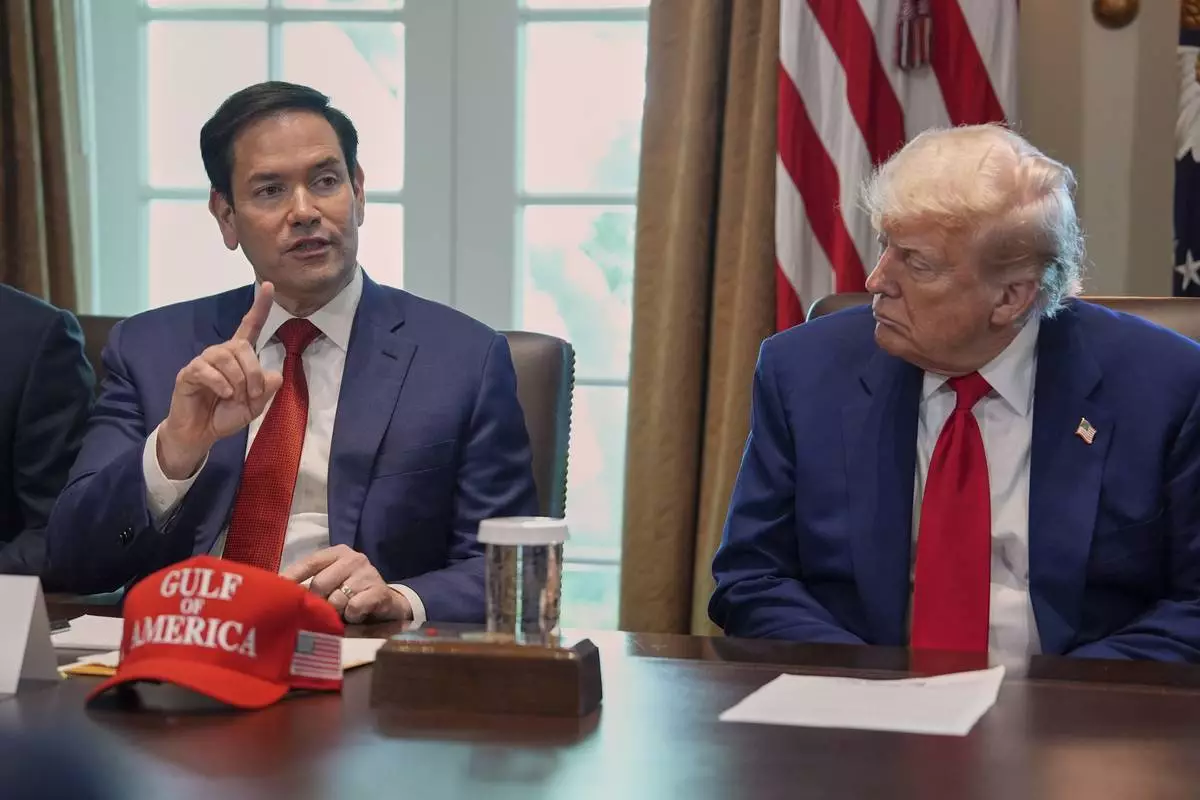
Secretary of State Marco Rubio speaks during a cabinet meeting at the White House, Wednesday, April 30, 2025, in Washington, as President Donald Trump look on. (AP Photo/Evan Vucci)
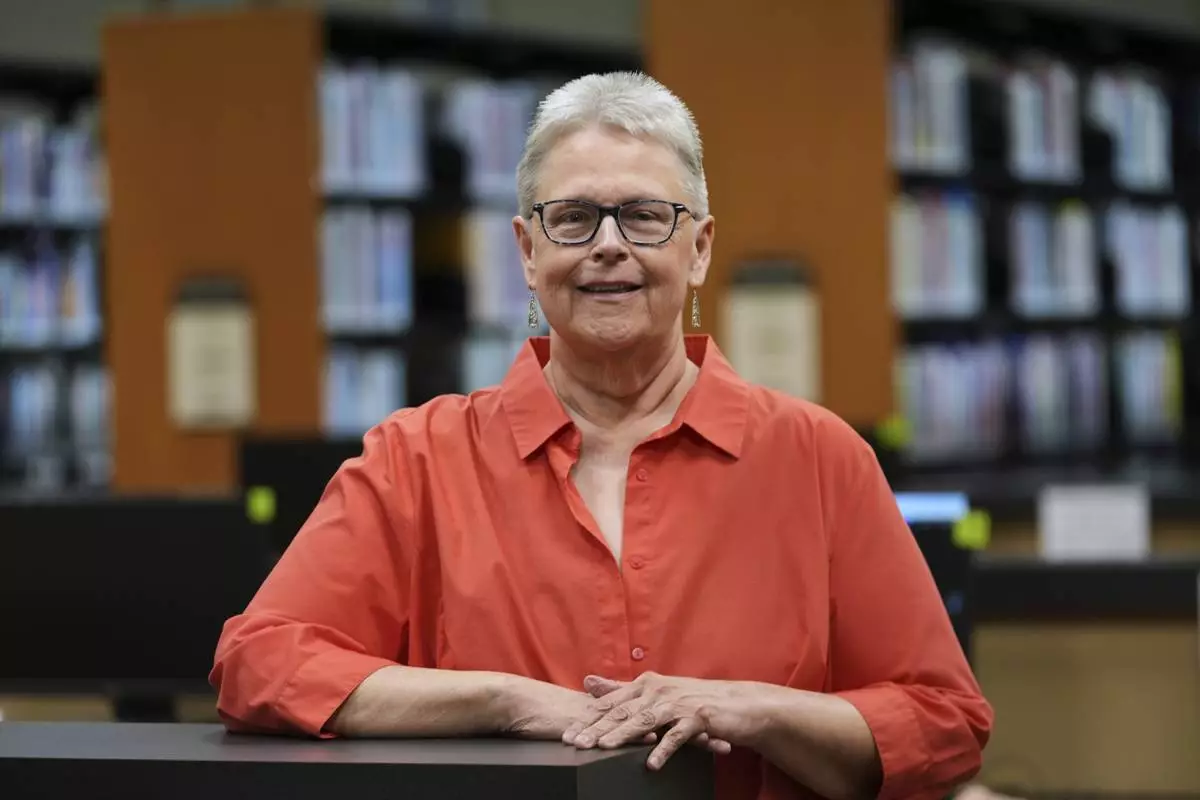
Lisa Brakel poses at the Bedford Branch Library in Temperance, Mich., Tuesday, May 6, 2025. (AP Photo/Paul Sancya)
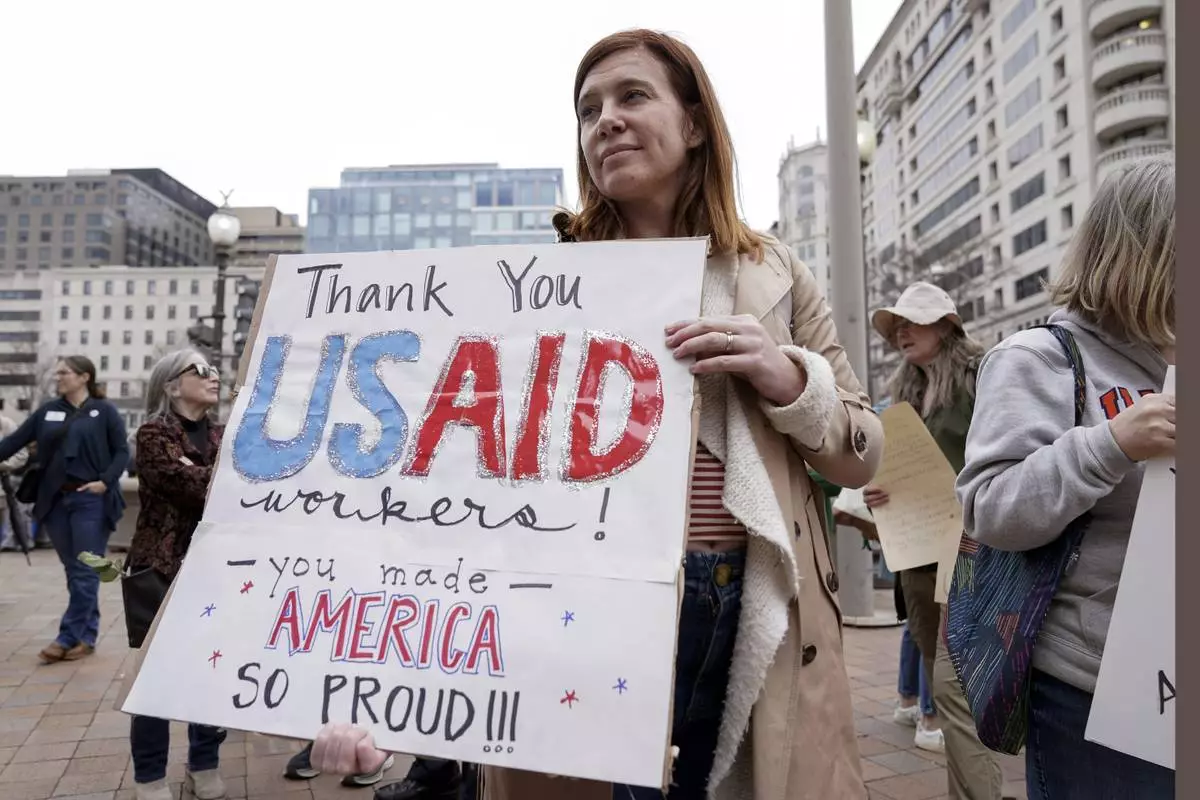
FILE - A person carries a sign in support of the United States Agency for International Development (USAID) workers, as they carry their personal belongings after retrieving them from the USAID's headquarters in Washington, Feb. 27, 2025. (AP Photo/Jose Luis Magana, File)
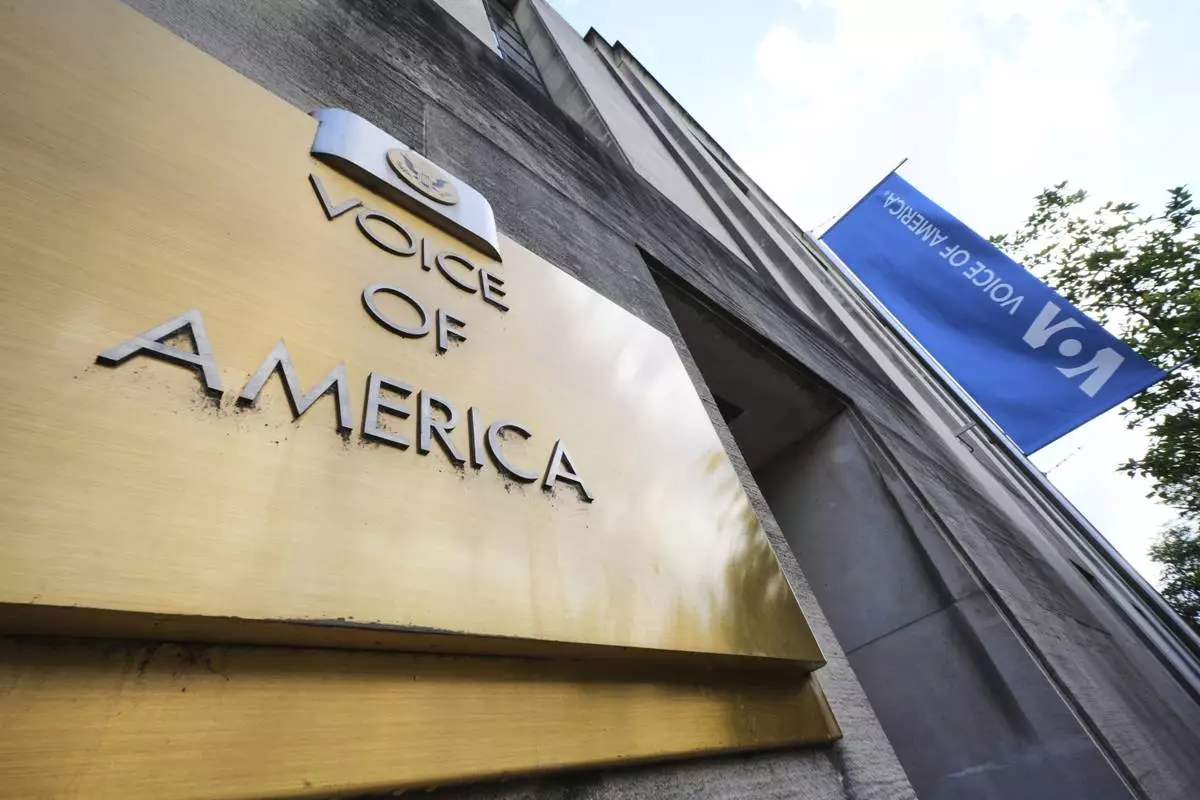
FILE - This is the Voice of America building in Washington, May 5, 2025. (AP Photo/Gene J. Puskar)
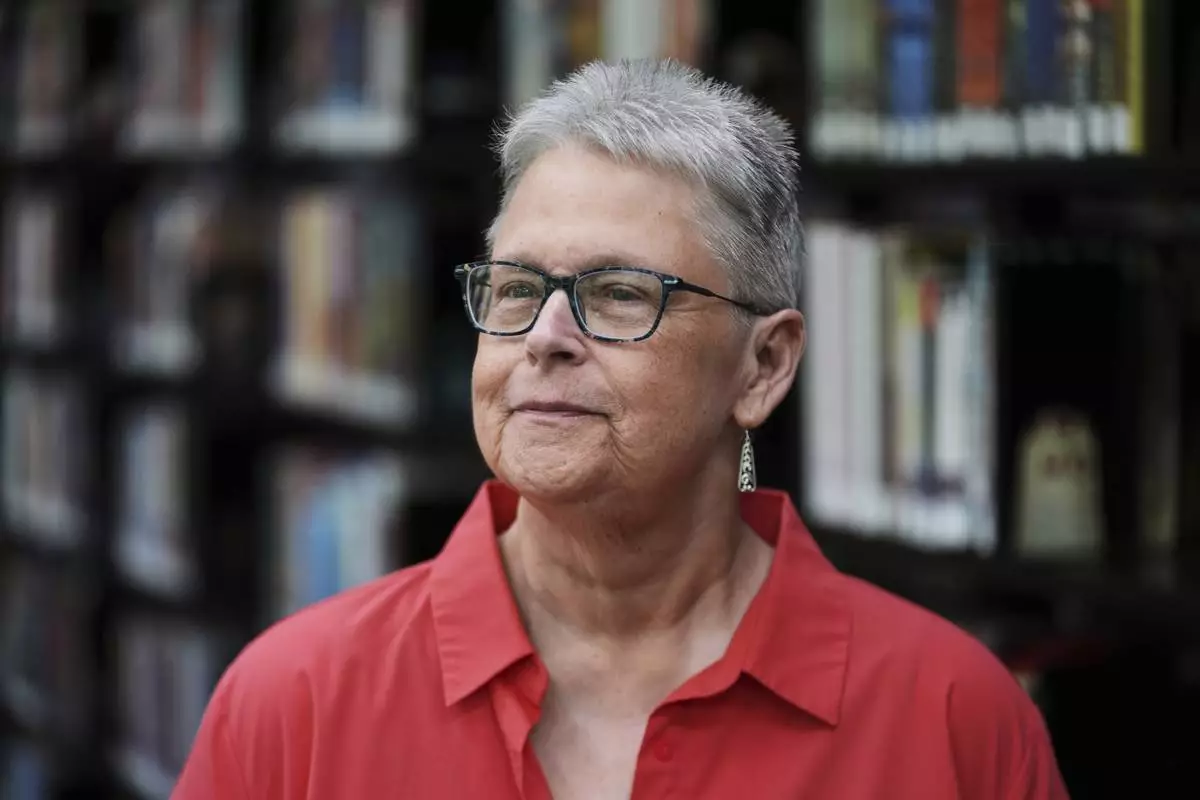
Lisa Brakel poses at the Bedford Branch Library in Temperance, Mich., Tuesday, May 6, 2025. (AP Photo/Paul Sancya)