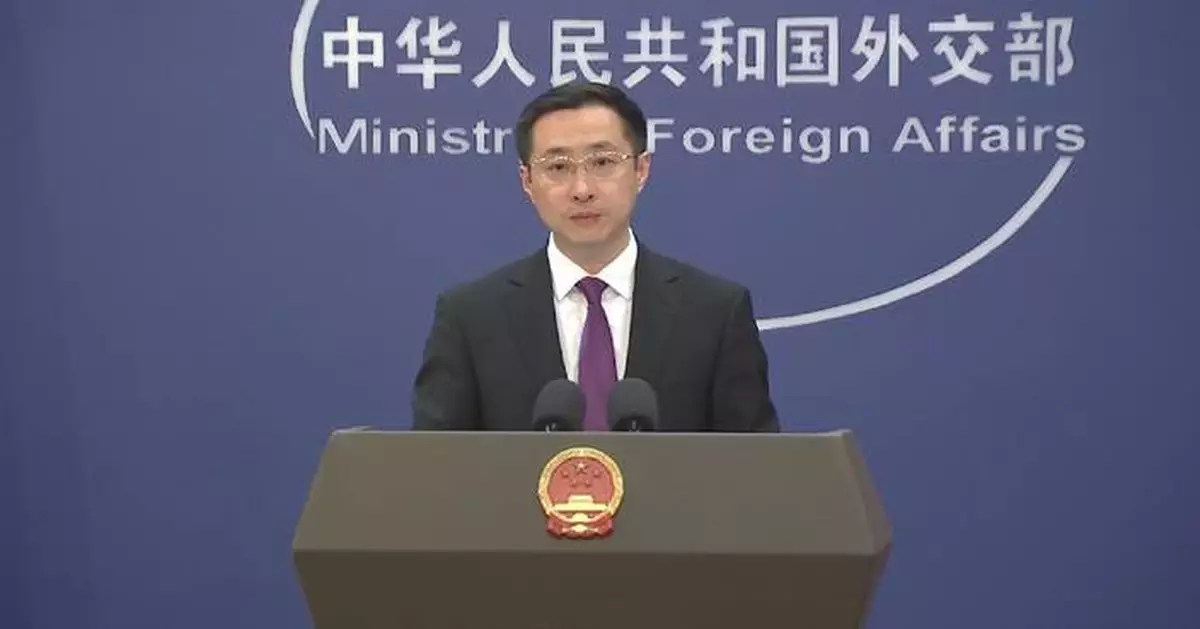
China and the European Union (EU) have helped each other succeed and developed together, Foreign Ministry spokesman Lin Jian said at a press briefing on Monday.
"This year marks the 50th anniversary of the establishment of diplomatic relations between China and the EU. Over the past 50 years, China and the EU had increasingly close exchanges and dialogues, a deeper integration of interests, a greater cooperation in both scale and the level, and remarkable achievements in multilateral coordination," said Lin in response to media query on the economic and trade ties between the two sides.
The two sides have set up more than 70 dialogue mechanisms, conducted in-depth communication on bilateral cooperation and the concerns of both sides, and reached numerous common understandings, which have pushed the significant growth of the bilateral relations between the two sides, Lin said.
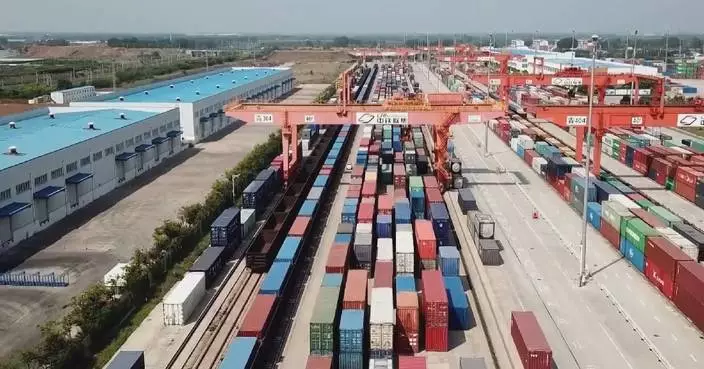
The annual bilateral trade has surged from 2.4 billion U.S. dollars to 785.8 billion U.S. dollars, increasing by more than 300 times, and the stock of two-way investment between China and the EU has grown from nearly zero to 260 billion U.S. dollars, Lin continued.
Lin also said that China's unilateral visa-free entry policy has expanded to cover 24 out of the 27 EU member states.
"Facts have shown that China and the EU have helped each other succeed and developed together. The China-EU comprehensive strategic partnership not only brings concrete benefits to nearly 2 billion Chinese and European people, but also sets a model for mutually beneficial cooperation in the era of economic globalization," said Lin.
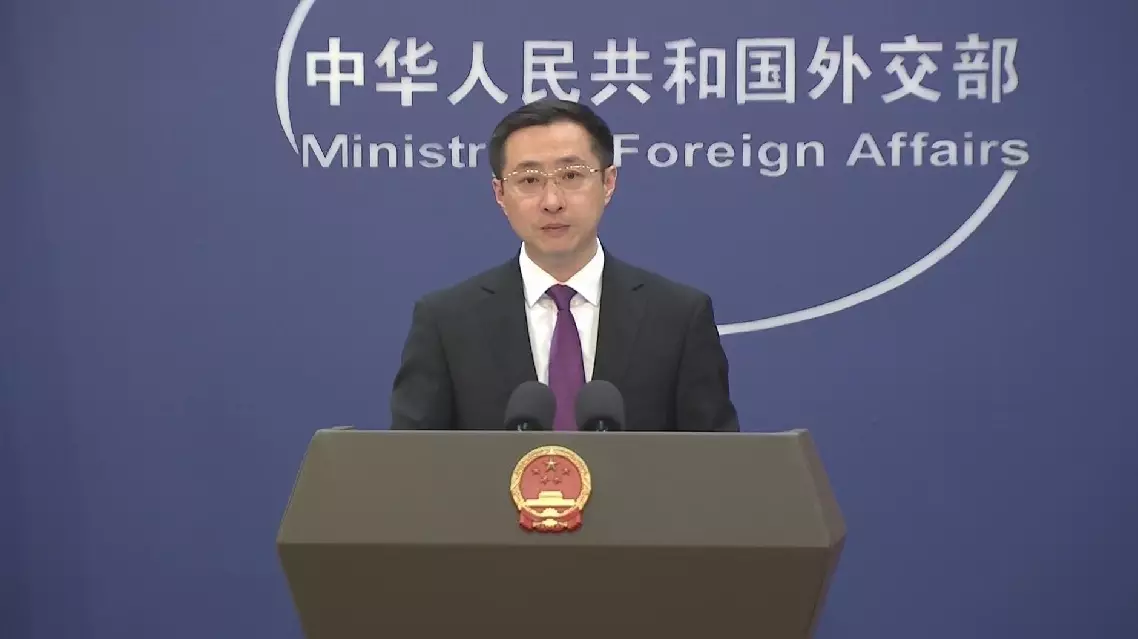
China, EU help each other succeed, develop together: spokesman
Iranian Parliament Speaker Mohammad Baqer Qalibaf warned on Sunday that Tehran would view the United States and Israel's military bases and facilities in the Middle East as "legitimate targets" should Washington take military action against Iran.
At a parliamentary session convened to review an emergency proposal on assembly regulations, Qalibaf emphasized that, at this highly sensitive juncture, Iran must accurately and thoroughly identify the schemes of its adversaries.
Qalibaf said that Iran is currently confronting Israel and the United States simultaneously on four fronts: economic, cognitive, military, and counterterrorism. Of them, the economic warfare and the cognitive and psychological warfare began many years ago and have persisted to this day, growing increasingly complex and intense in recent years.
The remarks came as U.S. President Donald Trump is reportedly "seriously considering authorizing a strike" against Iran, taking advantage of its nationwide unrest.
Protests have erupted in several Iranian cities since late December over the sharp fall of the rial and long-standing economic hardship. Iranian authorities have acknowledged the demonstrations and voiced willingness to address economic grievances, while warning against violence and vandalism.
Amid the ongoing protests, deadly clashes have been reported lately between police and what the government described as "rioters." However, no official death toll has been released.
Also on Sunday, Iran's semi-official Tasnim news agency reported that Iranian President Masoud Pezeshkian will address the country's economic situation and political environment in a televised interview later that day.
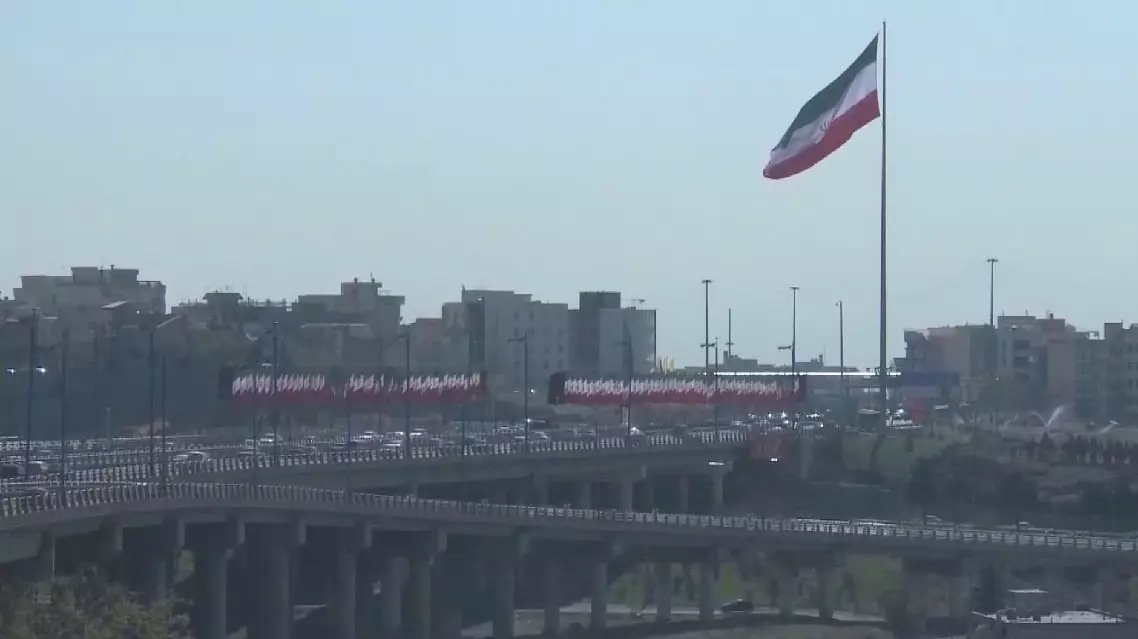
Iran swears to counterattack if attacked