A South African scholar has rejected a recent U.S. accusation that Afrikaners have been discriminated in his country, calling the accusation violations of international law and part of a broader political scheme to undermine South Africa's autonomy and independence
Sizo Nkala, a research fellow at the Centre for Africa-China Studies at the University of Johannesburg, made his comments in an interview with China Central Television (CCTV) on Monday, after a group of 49 white South Africans arrived in the United States on a private charter plane having been offered refugee status by the Trump administration under a new program announced in February.
U.S. President Donald Trump has said that refugee applications for the country's Afrikaner minority are being expedited as they were victims of "racial discrimination”.
The South African government has refuted that, saying that Afrikaners were not suffering any persecution that would merit refugee status.
Nkala said the granting of refugee status to white South Africans was based on falsehoods.
"Well, I think it's a move that is calculated to tarnish South Africa's image and then portray it as a rogue state, based on fictitious and false narratives of the persecution of Afrikaner citizens in South Africa. Secondly, I think it's a violation of international law and international norms,” he said.
Nkala said that South Africa is being punished as its foreign policy choices were at odds with the interests of the U.S. and other Western nations.
"It's typical of the US and the West, especially when they don't get their way with countries in the Global South. They start perpetuating and meddling these false narratives in order to get their way and pursue their narrow geopolitical interests. So we see that South Africa here is being punished for its foreign policy choices that somehow undermine or are not aligned with Western interests. So it's a violation of South Africa's autonomy and independence on the international stage,” he said.
Nkala asserted that the U.S. and other Western countries prefer African countries not to assert their sovereignty and autonomy.
"I think they would like African countries to be a pawn in a larger geopolitical game. And then they always have to toe the line. Once they don't toe the line, once they assert their independence like South Africa has, they get punished,” he said.
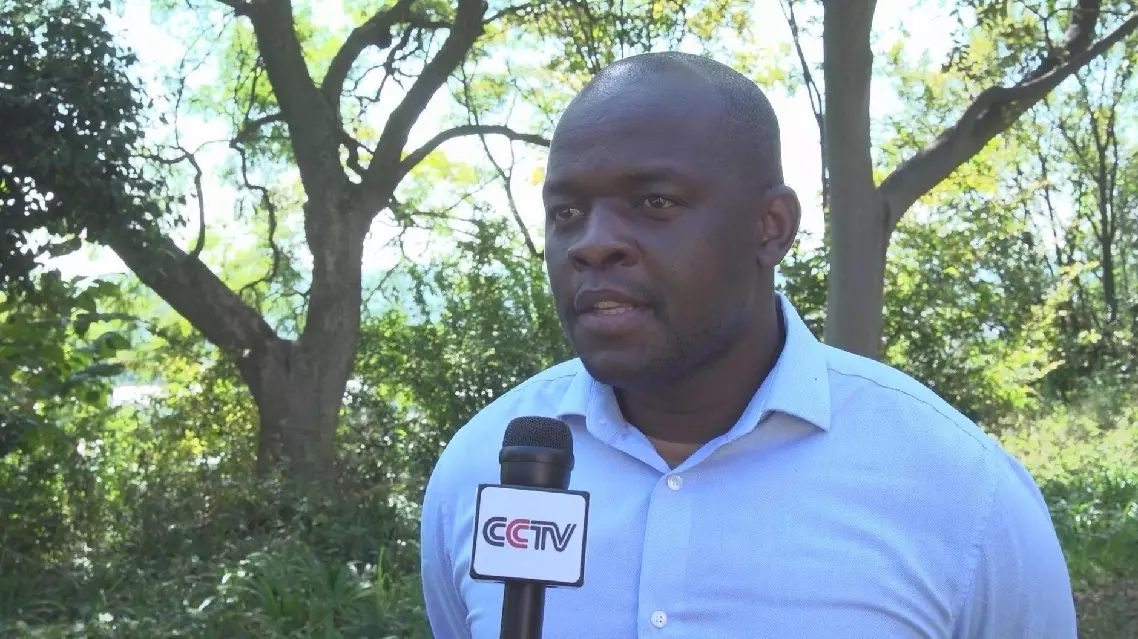
South African scholar rejects U.S. accusation of country's racial discrimination against Afrikaners