It was late in the afternoon and lightly snowing when four rock climbers, working their way up a steep gully between two peaks in Washington’s North Cascades Range, decided to turn around for a descent down the mountain that would claim three of their lives.
As they climbed down, the four attached their ropes to a piton — a metal spike pounded into rock cracks or ice and used to secure ropes — that had been placed by a past climber. As one of the men began rappelling off the piton, it ripped out of the mountain, sending all four falling past ice and snow and rock.
They fell some 200 feet (60 meters), landing in a more sloping ravine where they tumbled for another roughly 200 feet before coming to a stop in a tangle of rope.
Three were killed by the fall. One was knocked unconscious.
Anton Tselykh awoke in the dark. It had been hours since the fall.
Over the course of the next several hours, he extricated himself from the mess of ropes, gear and debris and trekked over rough terrain of rock and snow — with help from a pick-like ice tool — to his car.
He drove for some 40 miles (64 kilometers) before finding a pay phone and calling for help in Newhalem, an unincorporated community about an hour's drive away. It was Sunday morning, eight hours since he regained consciousness.
From a Seattle hospital Wednesday morning, Tselykh, recovering from head trauma and internal bleeding, told authorities what had happened. He was in satisfactory condition at Harborview Medical Center, meaning he was not in the intensive care unit, Susan Gregg, media relations director for UW Medicine, said in an email.
Tselykh, 38, confirmed authorities' theories of what led to the deaths of his three companions, identified as Vishnu Irigireddy, 48; Tim Nguyen, 63; and Oleksander Martynenko, 36.
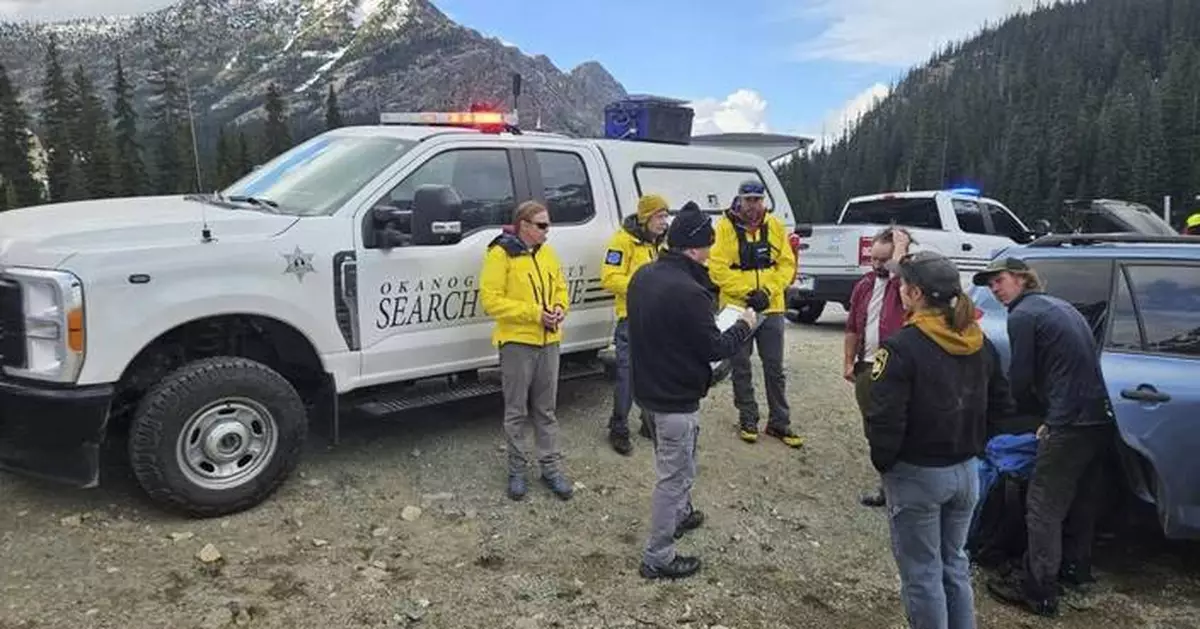
A three-person search and rescue team had responded to the site of the fall following Tselykh's call, said Cristina Woodworth, who led the team and spoke with the lone survivor by phone Wednesday. The team had followed coordinates from a GPS device the climbers had been carrying, which were shared by a friend of the men.
The rough terrain required a helicopter, which removed the bodies one at a time, Woodworth said.
Responders pored over the recovered equipment, trying to decipher what caused the fall. They found the piton still clipped into the climbers’ ropes, Okanogan County Coroner Dave Rodriguez said. Pitons are difficult to remove from rock, he said, and the anchor's presence on the rope was a clue to what happened.
Generally, setting up a backup anchor is a common practice among climbers, said Joshua Cole, a guide and co-owner of North Cascades Mountain Guides, who has been climbing in the area for about 20 years. It's still unclear whether the four had a backup.
The four climbers were friends, some of whom had climbed together before and appeared fairly experienced, Woodworth said, adding that Tselykh was “obviously very much affected by this.”
Irigireddy was a vice president of engineering at the Fluke Corporation, a test equipment manufacturing company, which released a statement Wednesday.
“Vishnu was an extraordinary leader, and his loss is felt profoundly across our organization,” the statement read.
Martynenko’s wife, Olga, said Tuesday in a Facebook post that her husband, whom she referred to as Alex, also left behind their son. She shared a link to a fundraiser to help “during the most devastating time of our lives.”
“I still cannot believe that you are gone, my love."
Bedayn is a corps member for The Associated Press/Report for America Statehouse News Initiative. Report for America is a nonprofit national service program that places journalists in local newsrooms to report on undercovered issues.
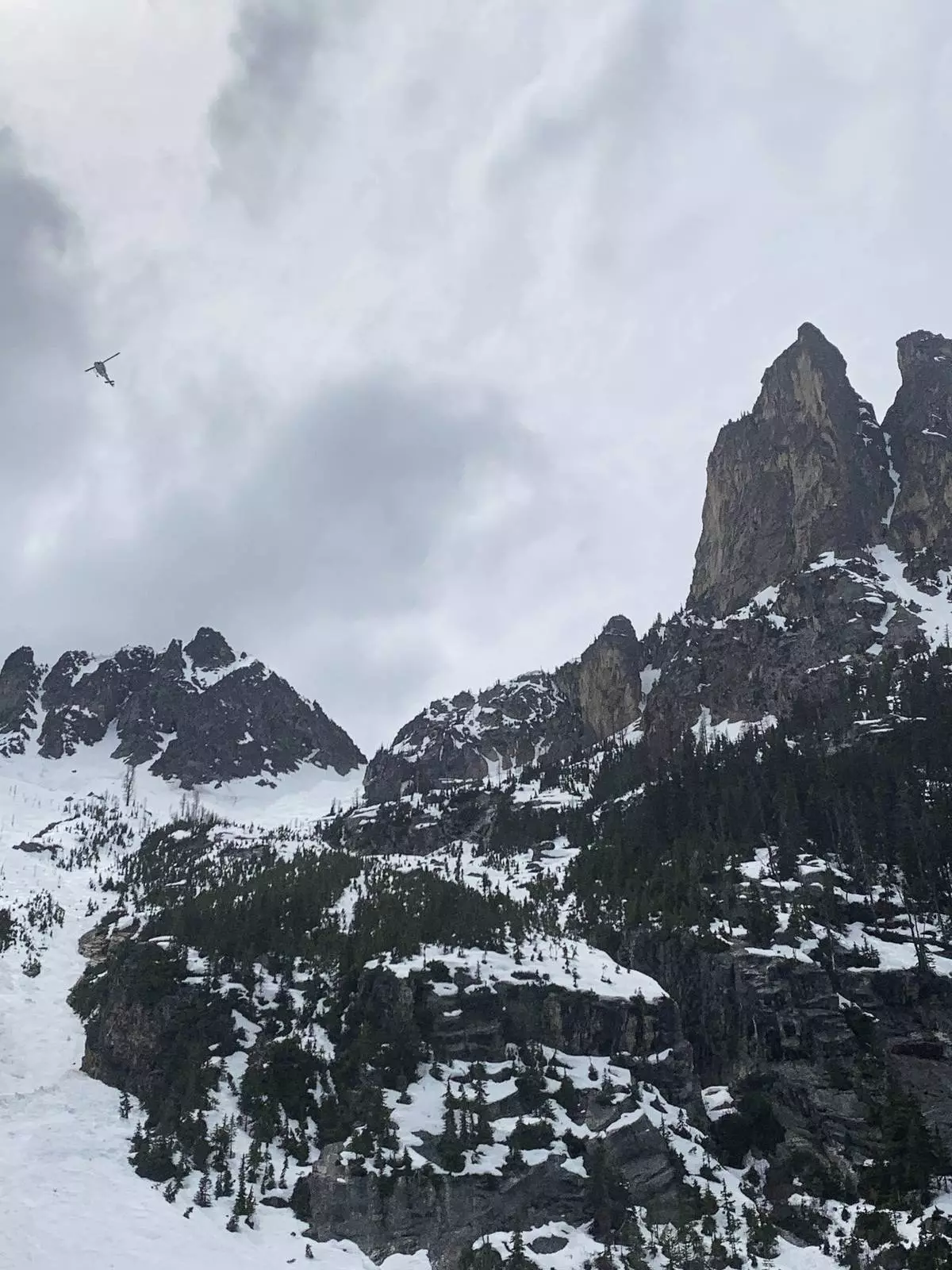
The Okanogan County Search and Rescue team responds to a climbing accident in the North Cascades mountains in Washington on Sunday, May 11, 2025. (Okanogan County Sheriff's Office via AP)
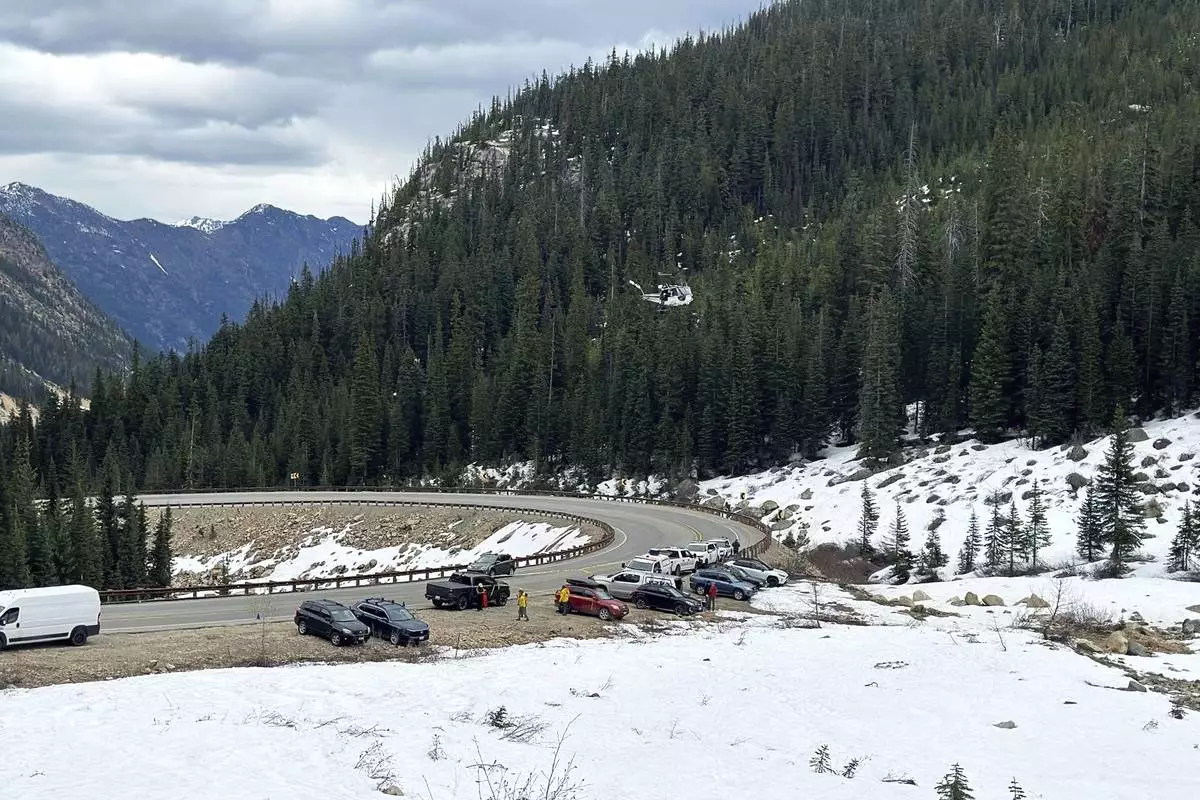
The Okanogan County Search and Rescue team responds to a climbing accident in the North Cascades mountains in Washington on Sunday, May 11, 2025. (Okanogan County Sheriff's Office via AP)
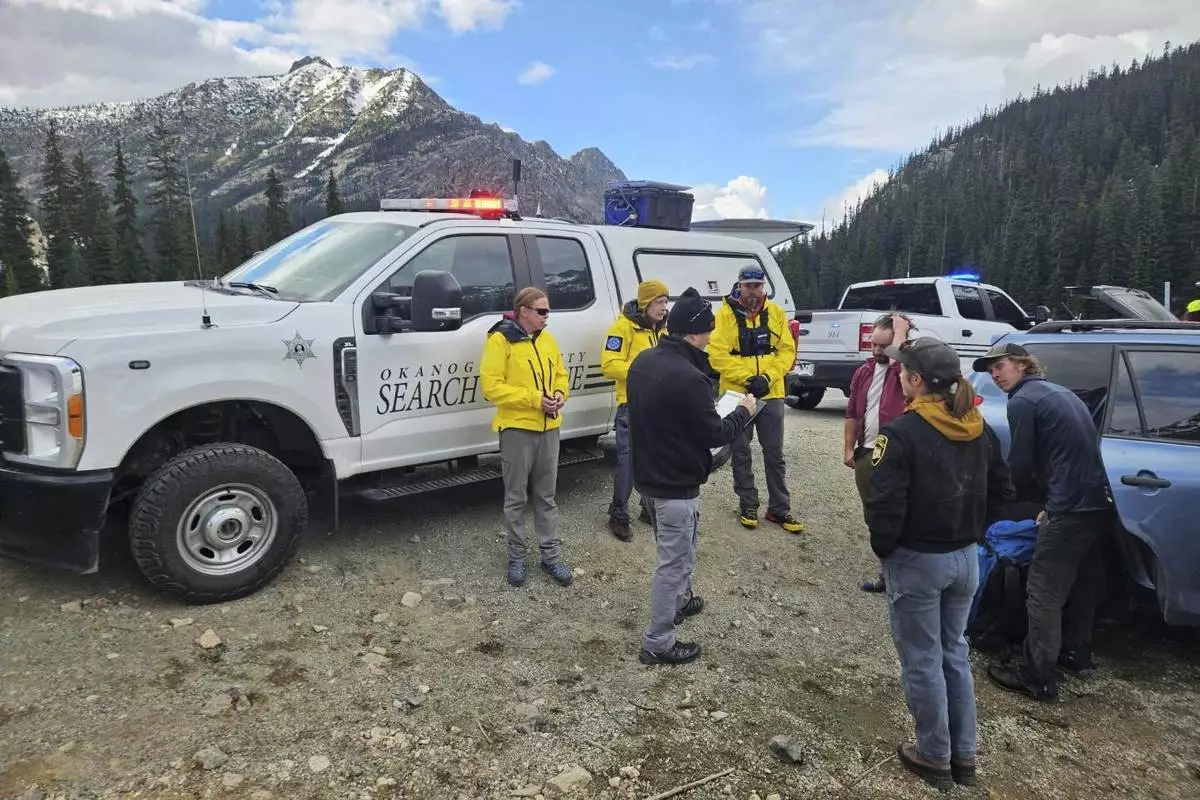
The Okanogan County Search and Rescue team responds to a climbing accident in the North Cascades mountains in Washington on Sunday, May 11, 2025. (Okanogan County Sheriff's Office via AP)
GUANARE, Venezuela (AP) — Freedom came too late for Edilson Torres.
The police officer was buried Tuesday in his humble, rural hometown following his death in a Venezuelan prison, where he was held incommunicado since being detained in December on what his family said were politically motivated accusations.
Torres, 51, died of a heart attack Saturday, just as his family awaited the government's promised release of prisoners following the U.S. capture of then-President Nicolás Maduro. The loss left his family reeling.
Now scores of families — who once hesitated to approach advocacy groups — are coming forward to register their loved ones as “political prisoners" in the hope that they might have a more optimistic future than Torres.
Foro Penal, which tracks and advocates for Venezuelan prisoners, has received a “flood of messages” from families since last week, said Alfredo Romero, director of the nongovernmental organization.
“They didn’t report it out of fear, and now they’re doing it because, in a way, they feel that there is this possibility that their families will be freed,” Romero said. “They see it as hope, but more importantly, as an opportunity.”
The head of Venezuela’s national assembly, Jorge Rodríguez, said last week that a “significant number” of Venezuelan and foreigners imprisoned in the country would be released as a gesture to “seek peace” following the operation that captured Maduro in the early hours of Jan. 3. The U.S. and Venezuela's opposition have long demanded the widespread release of detained opposition figures, activists and journalists, whom they claim are used as a political tool by the ruling party.
Venezuela’s government denies that there are prisoners unjustly detained, accusing them of plotting to destabilize Maduro’s government.
Following Torres' death, Venezuela's Attorney General Tarek William Saab said in a statement that the case had been assigned to a terrorism unit and “was linked to criminal activities detected by state security agencies.” He did not offer any details, but the vague language tracks with past accusations leveled against real or perceived government critics.
Romero said that of the roughly 300 families who reached out to Foro Penal, about 100 cases so far have been confirmed as politically motivated. Most of those reported over the past few days, he said, once worked for Venezuela's military. That is on top of more than 800 people that the organization says continue to be detained for political reasons in Venezuela.
As of Tuesday evening, Foro Penal had confirmed 56 prisoners it said were detained for political reasons had been freed. The group criticized the lack of government transparency over the releases. Venezuela’s government negated the organization's count, and reported a far higher figure of 400 Tuesday afternoon.
But the government did not provide evidence of the releases, a time range in which they were carried out nor identify those freed, making it impossible to determine whether those freed were behind bars for political or other reasons.
Before Torres' funeral on Tuesday, a procession of cars and motorcycles stopped at a local jail, where his wife remains detained on disputed accusations.
“My little brother, my little brother,” Emelyn Torres said between sobs after his casket, cloaked in Venezuela's flag, arrived at her home for the wake. A few feet away, their grandmother nearly fainted as dozens of people crammed into the living room to pay their respects.
Hours earlier, as a minivan transported the body of her brother 267 miles (430 kilometers) from the capital, Caracas, to Guanare, Torres learned that other men linked to the WhatsApp group that led to her brother's arrest had just been released from prison. She wailed.
Among those who have been released are: human rights attorney Rocío San Miguel, who immediately relocated to Spain; Biagio Pilieri, an opposition leader who was part of Nobel Peace Prize winner María Corina Machado’s 2024 presidential campaign; and Enrique Márquez, a former electoral authority and presidential candidate.
Italian businessman Marco Burlò, who was released from prison Monday, told reporters outside a Rome airport Tuesday that he was kept isolated throughout his detention, which he characterized as a “pure and real kidnapping.”
“I can’t say that I was physically abused, but without being able to talk to our children, without the right to defense, without being able to speak to the lawyer, completely isolated, here they thought that I might have died,” he said.
The small set of releases over the past few days continues to fuel criticisms by families, human rights watchdogs at the United Nations and U.S. politicians, who have accused the government of not following through on their word of a wider release.
But the rapid political shifts in the Latin American nation and the distant possibility of release simultaneously marked a rare moment of hope for many families who have spent years wondering if their loved ones would ever be freed.
Part of the reason that Romero said he believed so many people had not come forward is the government's ongoing crackdown on dissent since Venezuela's tumultuous 2024 election, which Maduro claimed to have won despite ample credible evidence to the contrary.
As mass street protests broke out, authorities said they detained more than 2,000 people. In the month after July elections, Venezuela's government passed a law — dubbed the “anti-NGO law” by critics — making it easier for the government to criminalize human rights groups.
That had a chilling effect, Romero said, making families hesitant to come forward — until now.
Janetsky reported from Mexico City.
Follow AP’s coverage of Latin America and the Caribbean at https://apnews.com/hub/latin-america
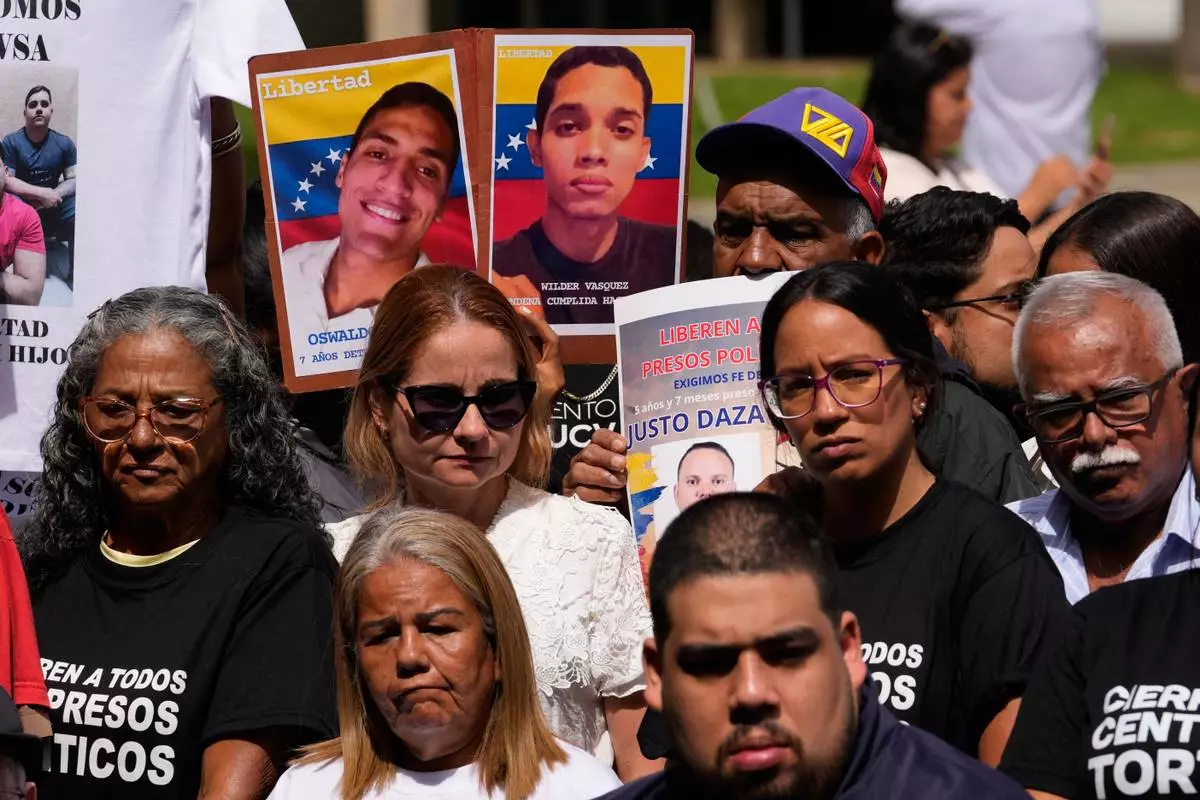
Relatives of political prisoners gather at the Central University of Venezuela to call for their release in Caracas, Venezuela, Tuesday, Jan. 13, 2026. (AP Photo/Matias Delacroix)
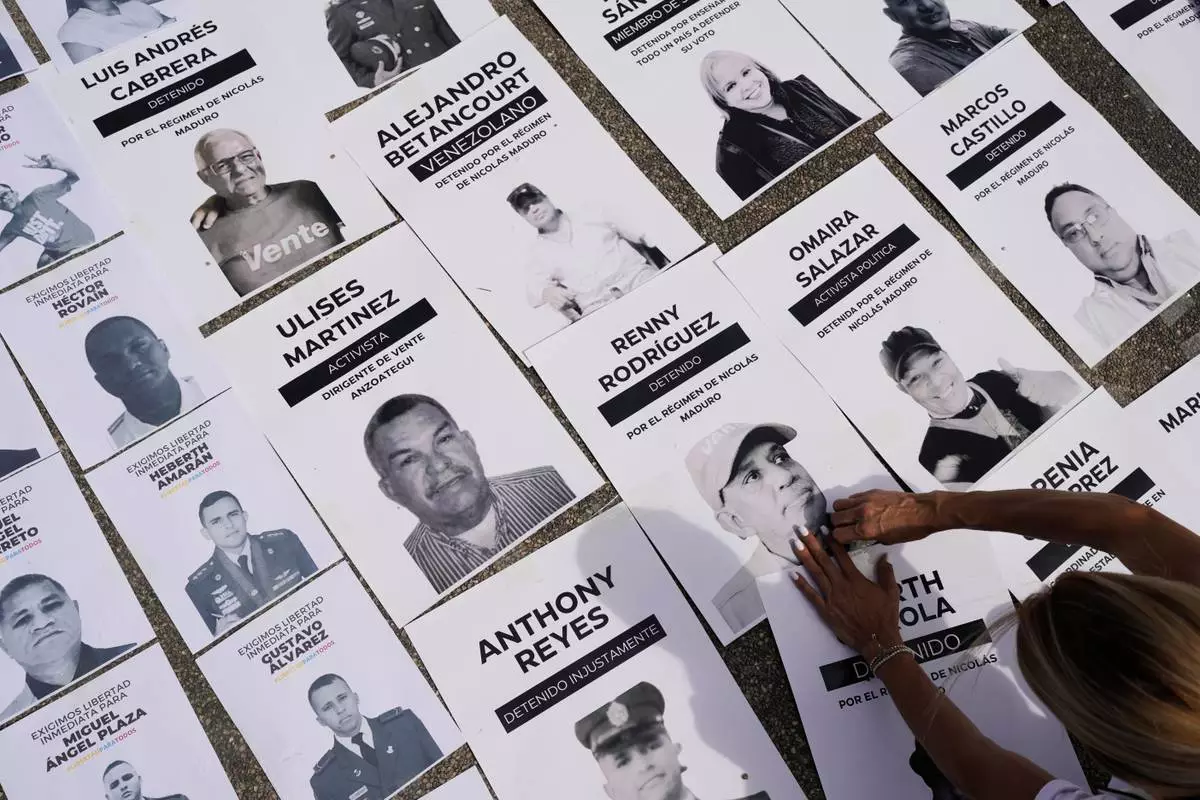
Jacklin Ibarreto, whose father Miguel Ibarreto is detained, lays out photos of political prisoners at the Central University of Venezuela in Caracas, Venezuela, Tuesday, Jan. 13, 2026. (AP Photo/Matias Delacroix)
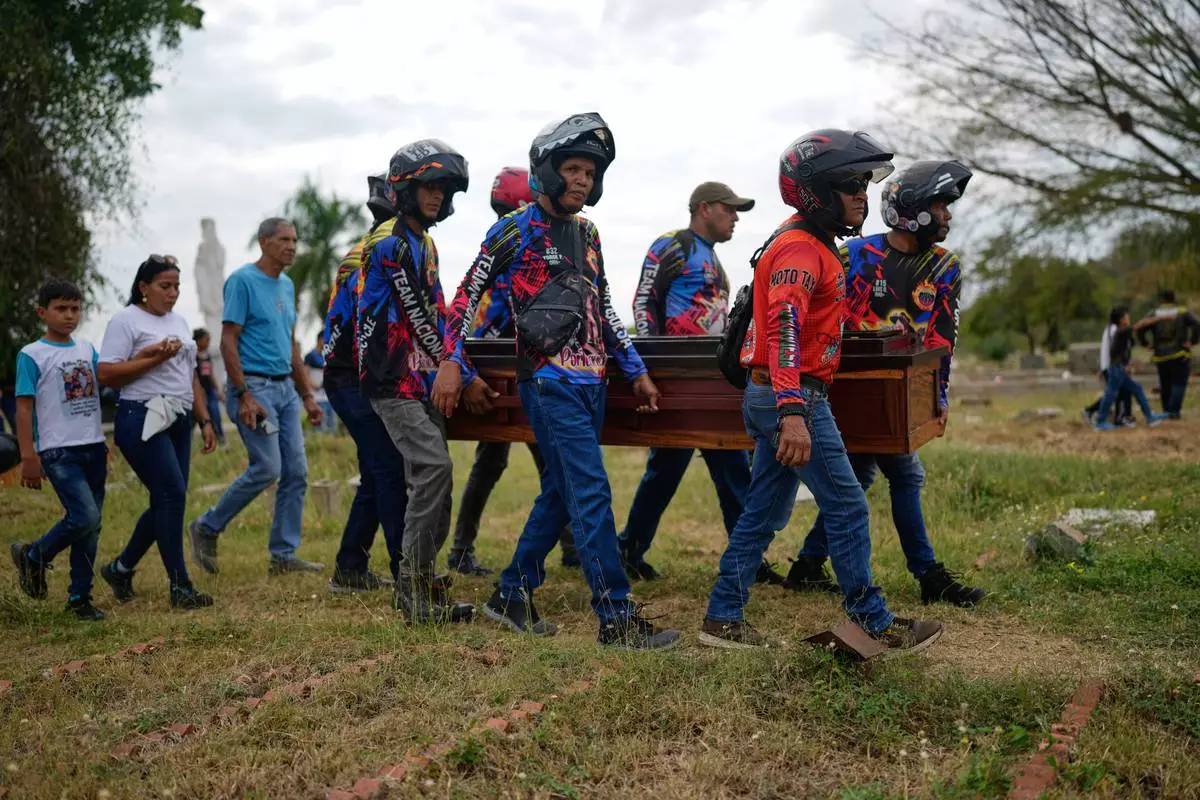
Members of a motorcycle club, friends of Edilson Torres, a Venezuelan police officer who died in prison a month after being arrested on accusations of treason, carry his coffin at a cemetery in Guanare, Venezuela, Tuesday, Jan. 13, 2026. (AP Photo/Ariana Cubillos)
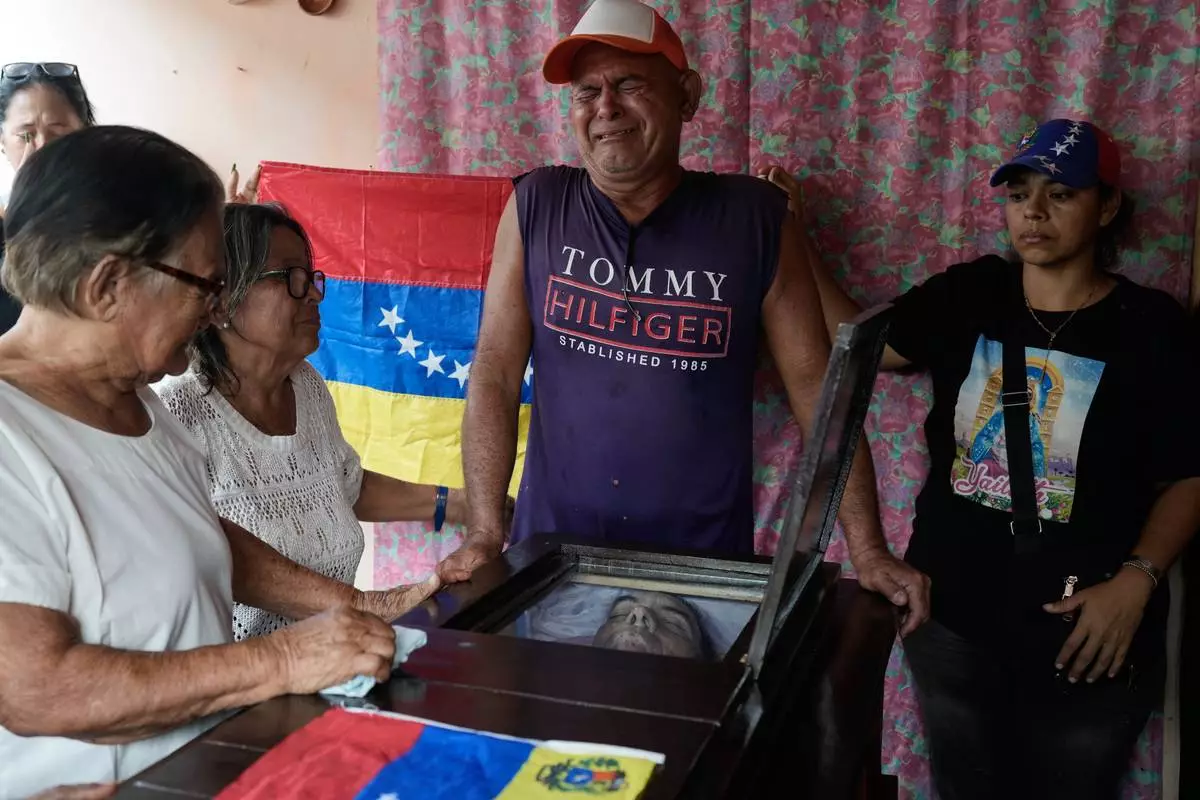
Relatives stand by the coffin of Edilson Torres, a Venezuelan police officer who died in prison a month after being arrested on accusations of treason, in Guanare, Venezuela, Tuesday, Jan. 13, 2026.. (AP Photo/Ariana Cubillos)
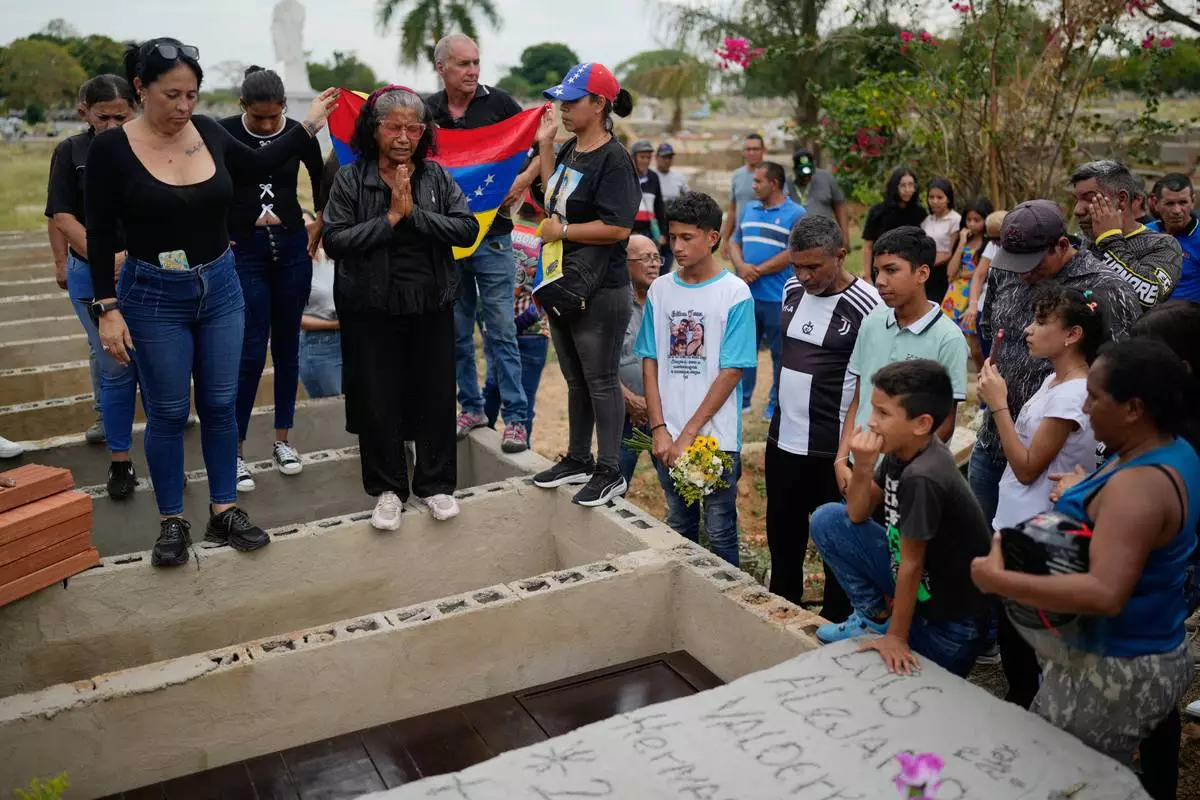
Relatives of Edilson Torres, a Venezuelan police officer who died in prison a month after being arrested on accusations of treason, gather around his grave during his funeral in Guanare, Venezuela, Tuesday, Jan. 13, 2026. (AP Photo/Ariana Cubillos)
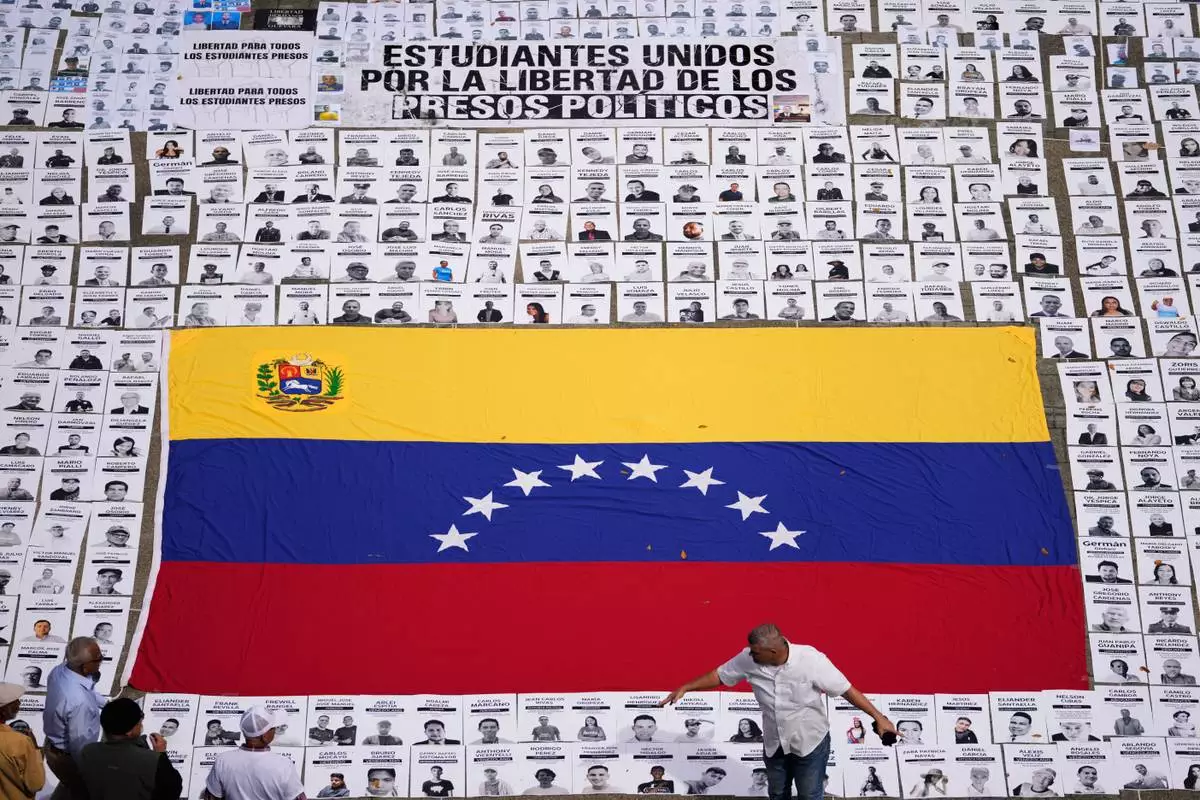
Students lay out photos of people they consider political prisoners at the Central University of Venezuela in Caracas, Venezuela, Tuesday, Jan. 13, 2026. (AP Photo/Matias Delacroix)
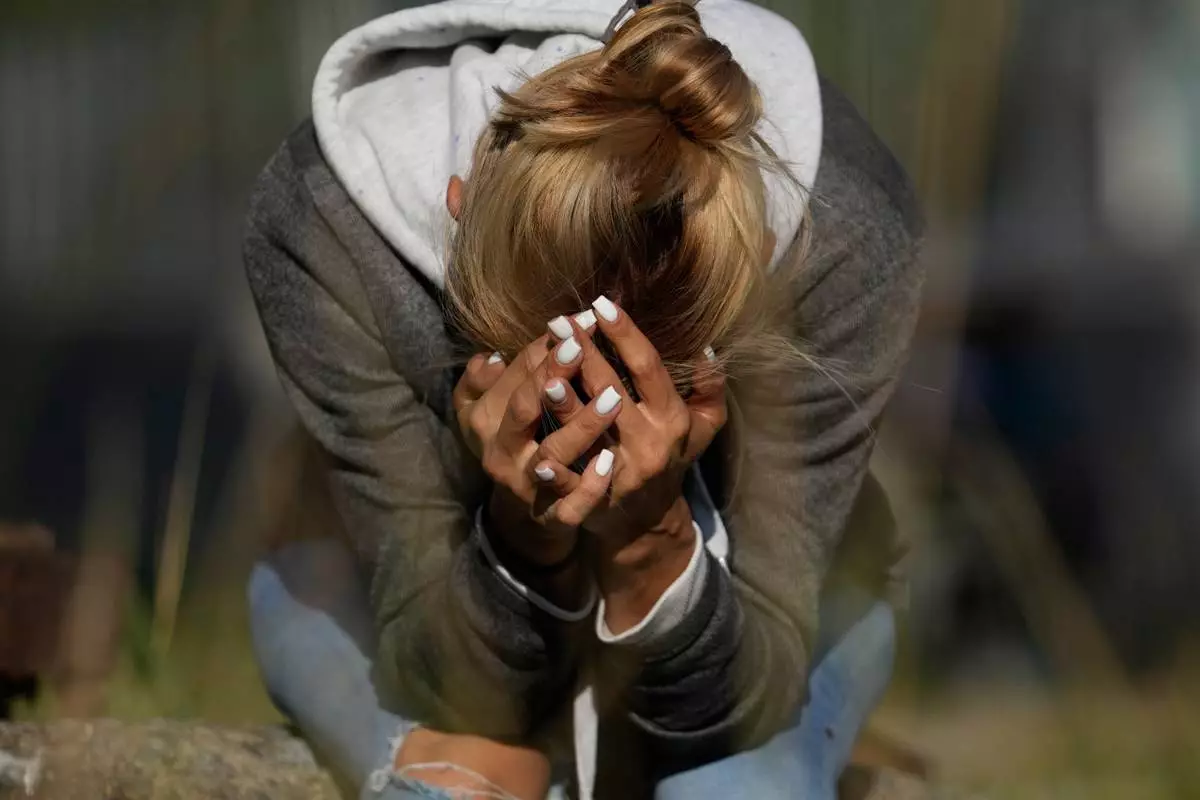
Jacklin Ibarreto, whose father Miguel Ibarreto is detained, waits outside the Rodeo I prison in Guatire, Venezuela, Friday, Jan. 9, 2026, after National Assembly President Jorge Rodriguez said the government would release Venezuelan and foreign prisoners. (AP Photo/Matias Delacroix)
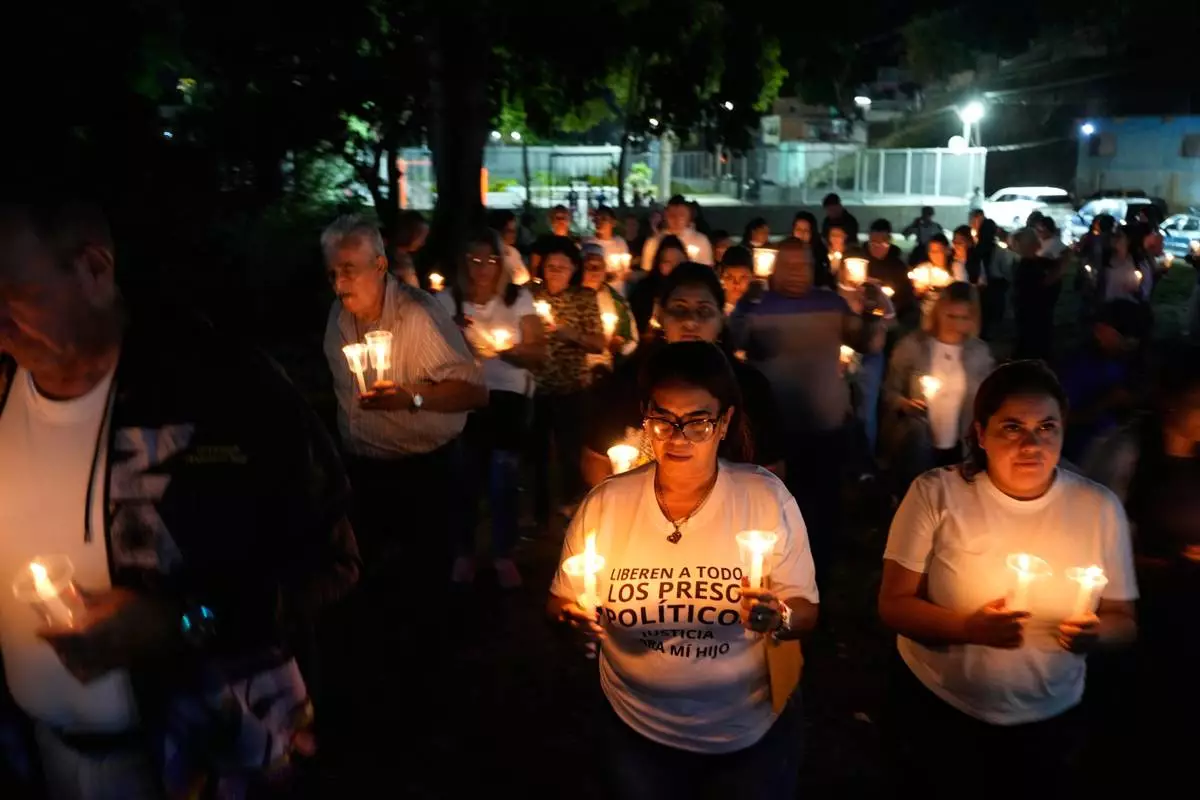
Relatives and friends of political prisoners hold candles calling for their loved ones to be set free outside the Rodeo I prison in Guatire, Venezuela, Friday, Jan. 9, 2026 after the government announced prisoners would be released. (AP Photo/Matias Delacroix)
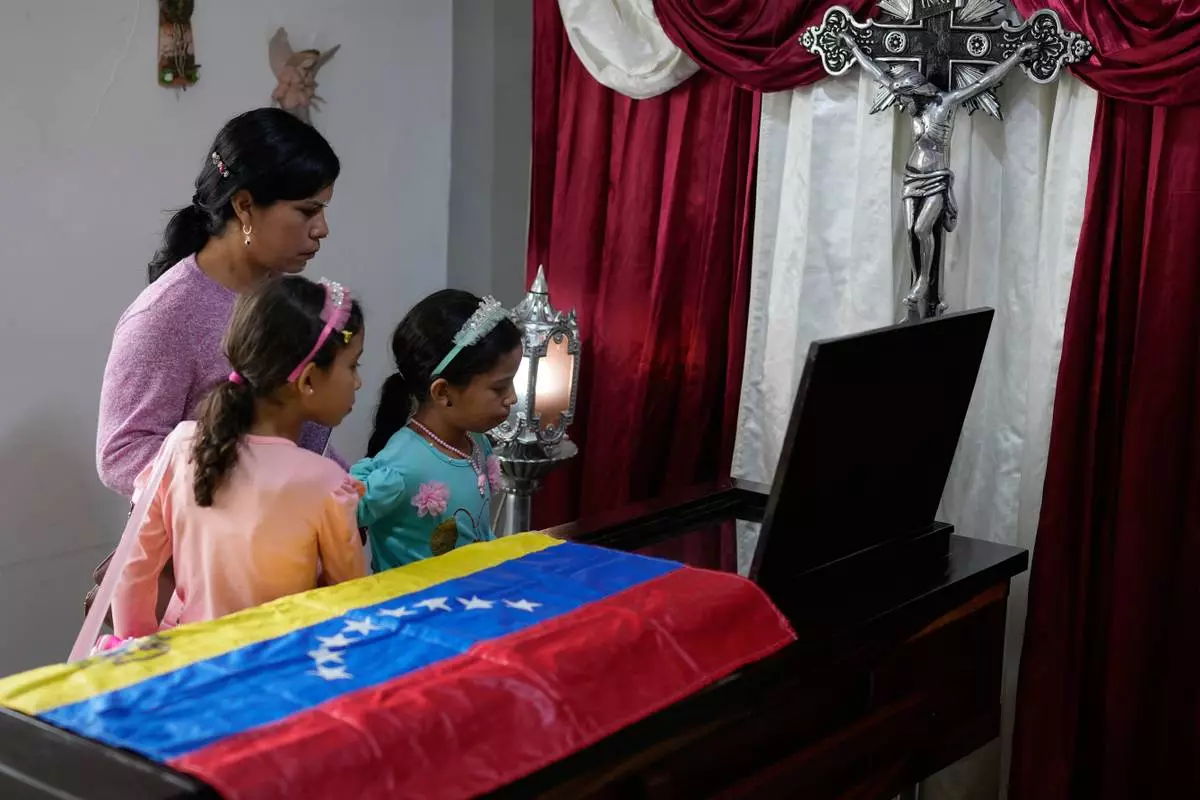
Relatives stand beside the coffin during the wake of Edilson Torres, a Venezuelan police officer who died in prison a month after being arrested on accusations of treason, in Guanare, Venezuela, Tuesday, Jan. 13, 2026. (AP Photo/Ariana Cubillos)
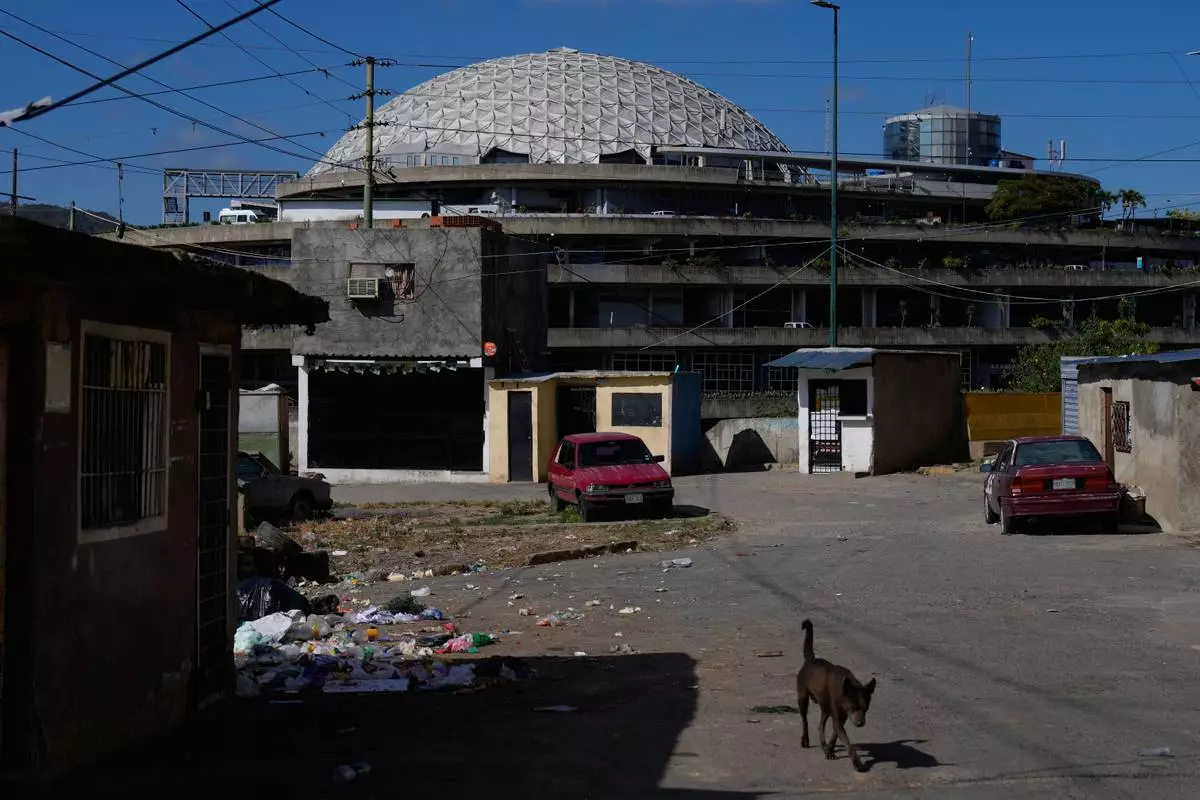
El Helicoide, the headquarters of Venezuela's intelligence service and detention center, stands in Caracas, Venezuela, Friday, Jan. 9, 2026, after National Assembly President Jorge Rodriguez said the government would release Venezuelan and foreign prisoners. (AP Photo/Ariana Cubillos)
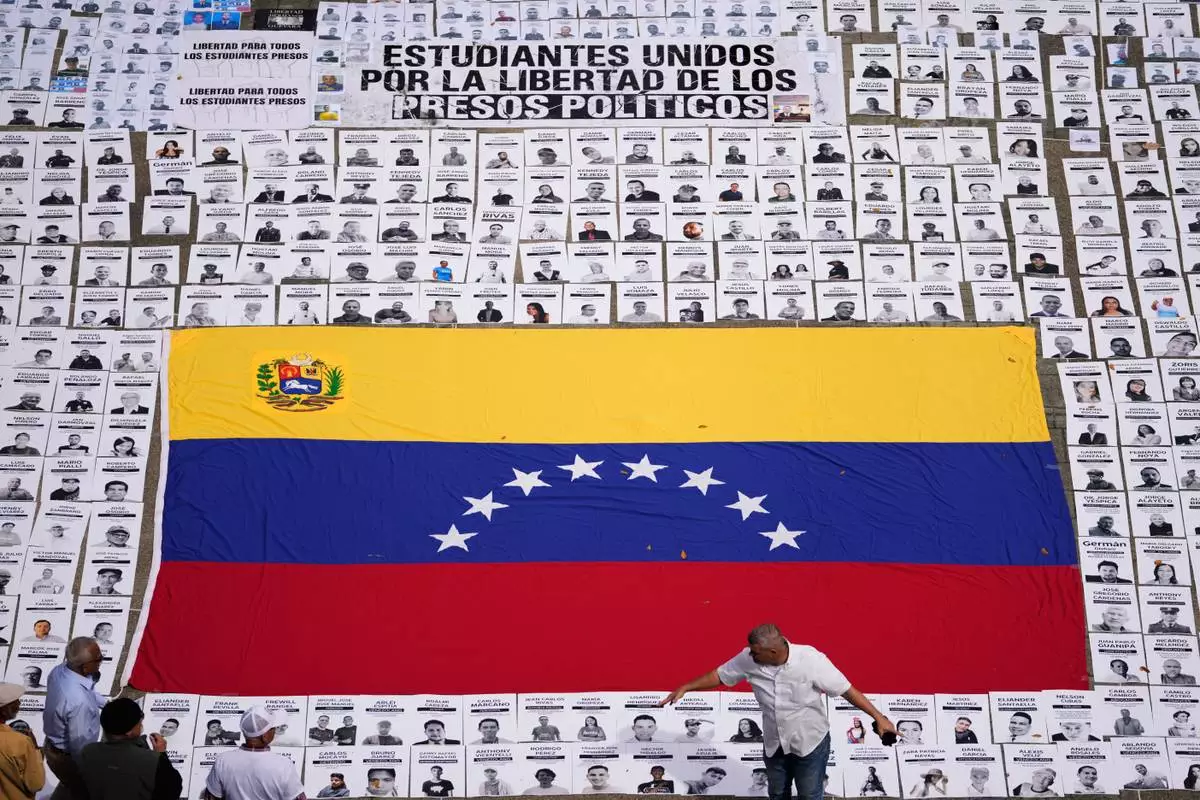
Students lay out photos of people they consider political prisoners at the Central University of Venezuela in Caracas, Venezuela, Tuesday, Jan. 13, 2026. (AP Photo/Matias Delacroix)
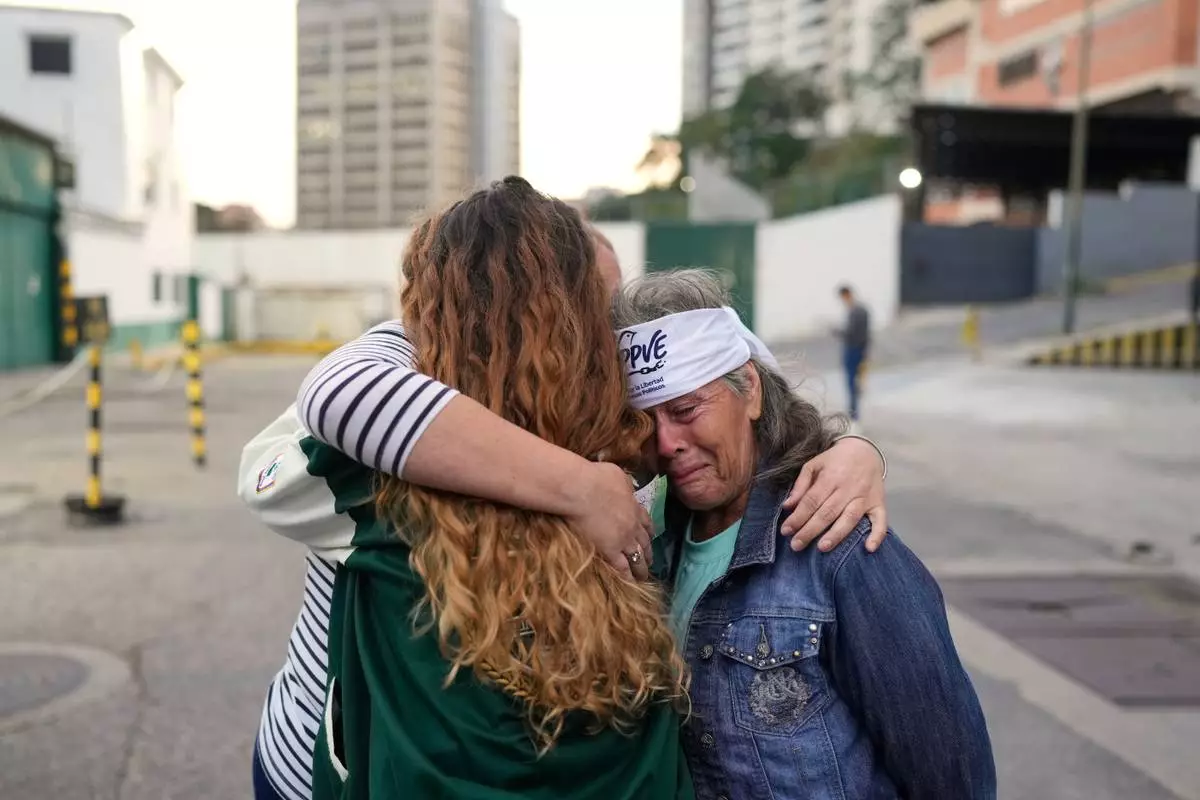
Flor Zambrano, whose son, Rene Chourio, she says is detained at Zone 7 of the Bolivarian National Police for political reasons, embraces relatives of other detainees outside the facility in Caracas, Venezuela, Monday, Jan. 12, 2026. (AP Photo/Matias Delacroix)
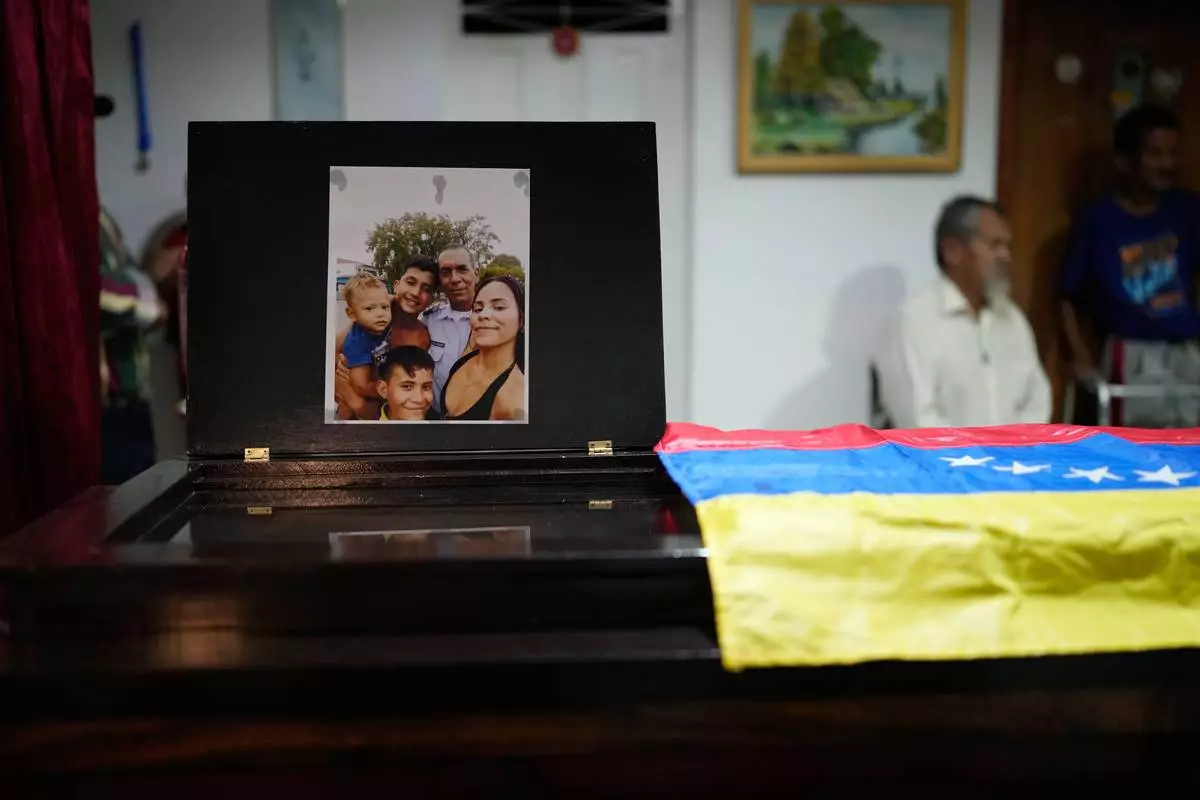
A photo of Edilson Torres, a Venezuelan police officer who died in prison a month after being arrested on accusations of treason, and his family adorns his coffin during his wake at his home in Guanare, Venezuela, Monday, Jan. 12, 2026. (AP Photo/Ariana Cubillos)
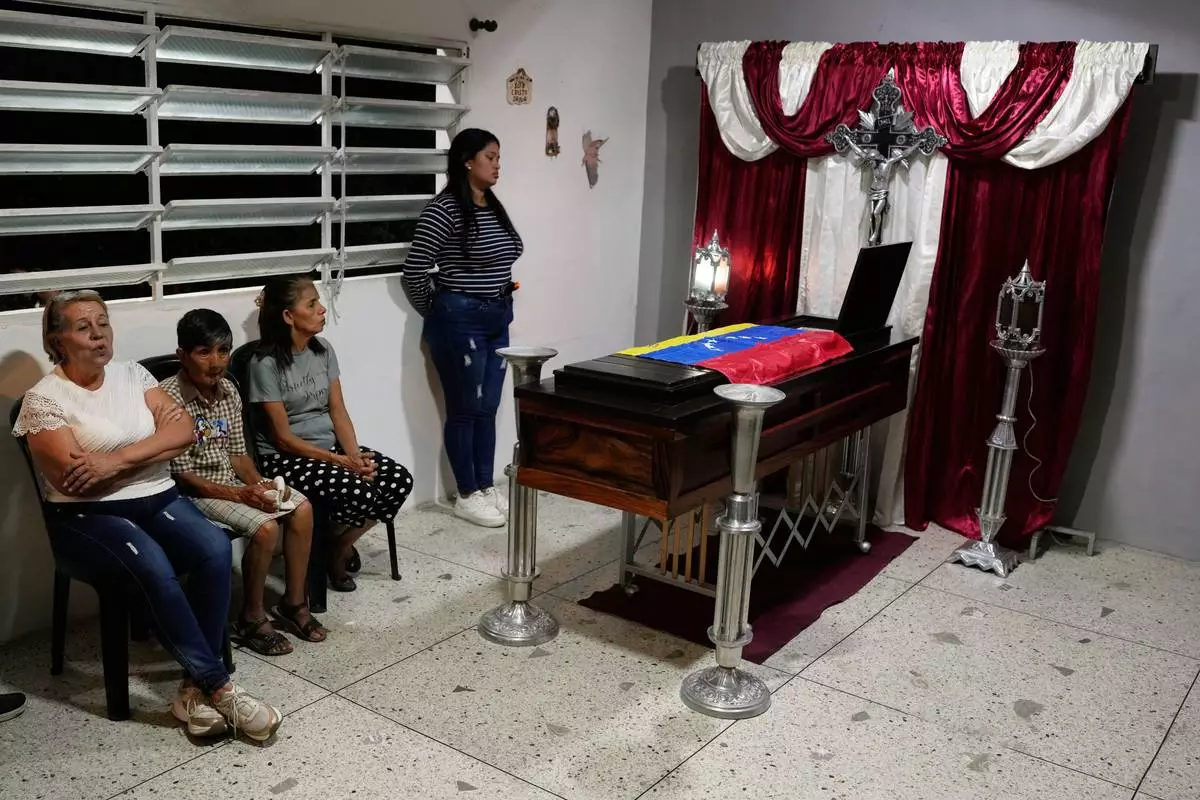
Relatives of Edilson Torres, a Venezuelan police officer who died in prison a month after being arrested on accusations of treason, sit by his coffin during his wake in Guanare, Venezuela, Monday, Jan. 12, 2026. (AP Photo/Ariana Cubillos)
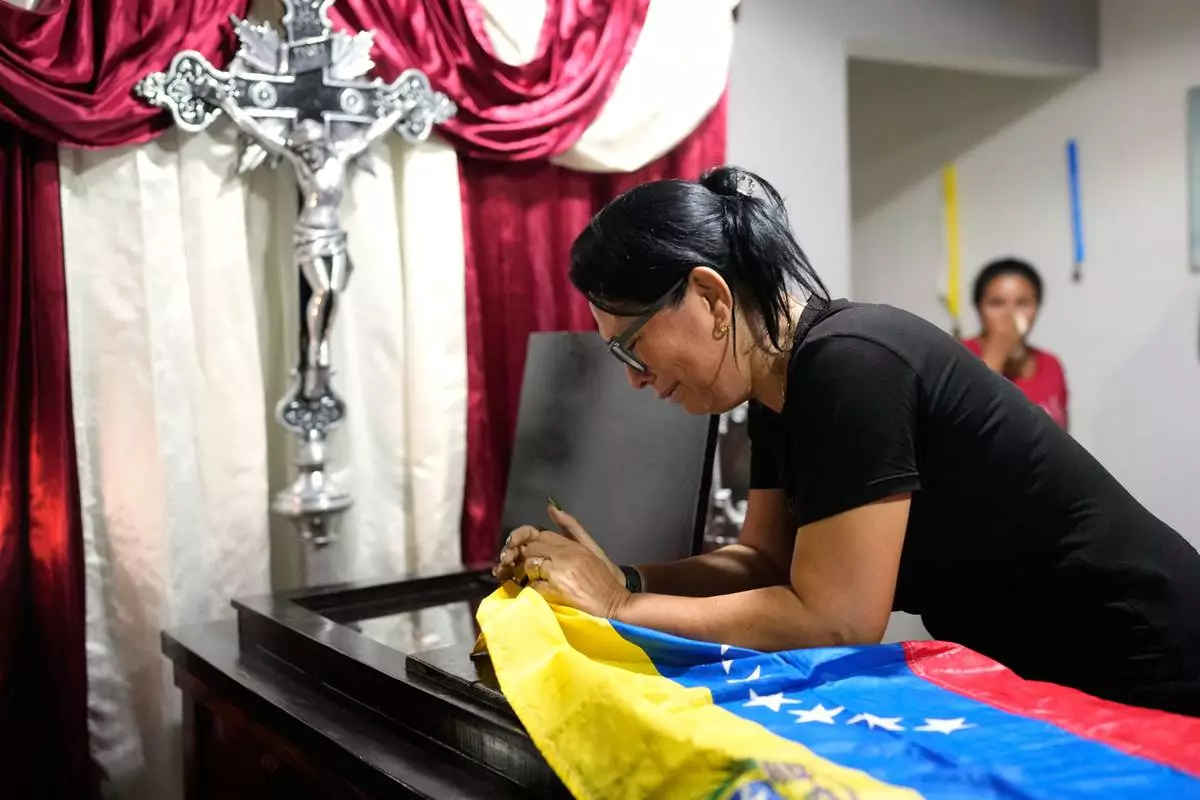
Emelyn Torres leans over the casket of her brother, Edilson Torres, a Venezuelan police officer who died in prison a month after being detained on accusations of treason, during his wake at his home in Guanare, Venezuela, Monday, Jan. 12, 2026. (AP Photo/Ariana Cubillos)
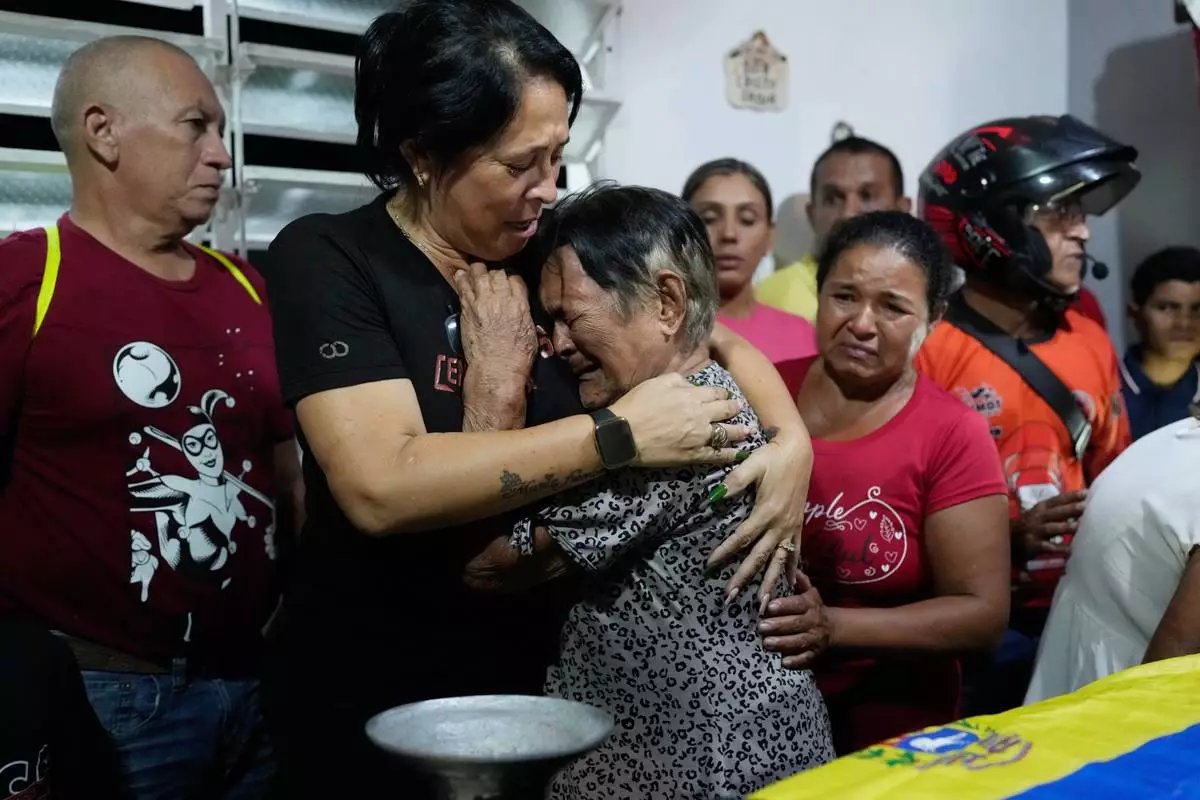
Emelyn Torres and Maria Cristina Fernandez, the sister and grandmother of Edilson Torres, a Venezuelan police officer who died in prison after being detained on accusations of treason, embrace during his wake at his home in Guanare, Venezuela, Monday, Jan. 12, 2026. (AP Photo/Ariana Cubillos)