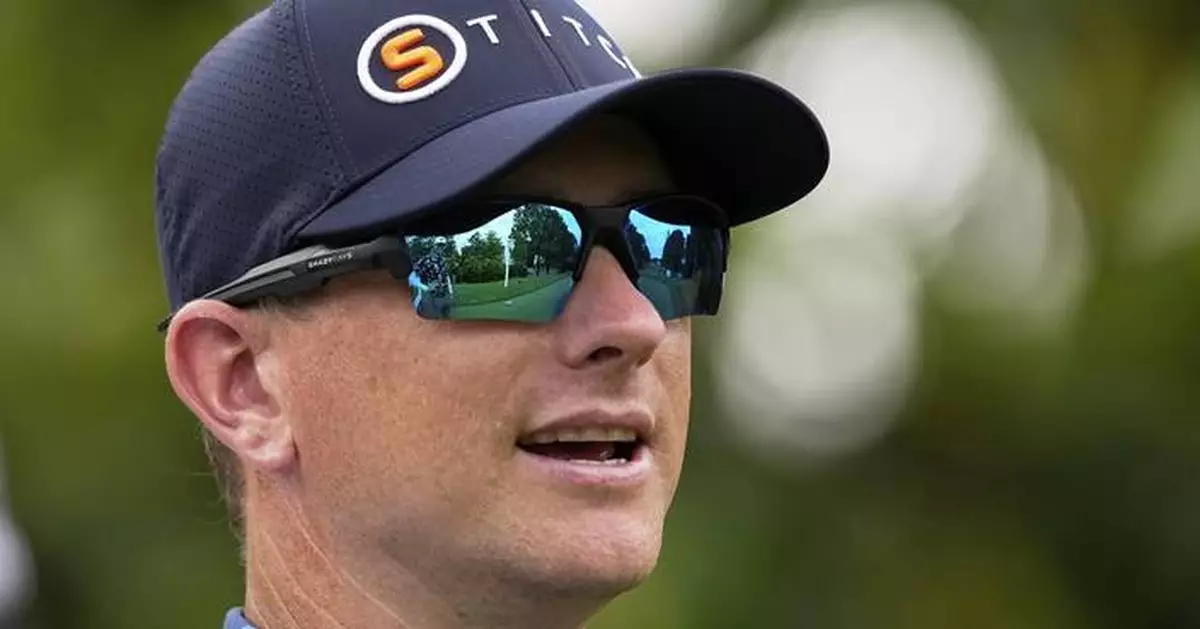
CHARLOTTE, N.C. (AP) — Rupe Taylor had 10 days to contemplate his most improbable path to the PGA Championship, and that wasn't enough to prepare the golf professional when he arrived at Quail Hollow.
He walked 18 holes with a wedge and a putter to get comfortable. And then he stepped into the locker room and found himself face-to-face with Scottie Scheffler.
Click to Gallery
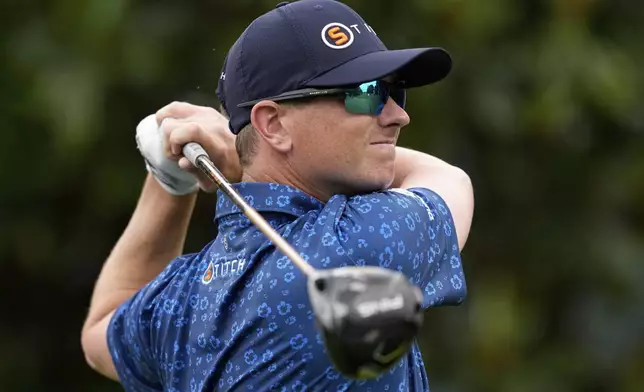
Rupe Taylor watches his tee shot on the 16th hole during a practice round for the PGA Championship golf tournament at the Quail Hollow Club, Monday, May 13, 2024, in Charlotte, N.C. (AP Photo/David J. Phillip)
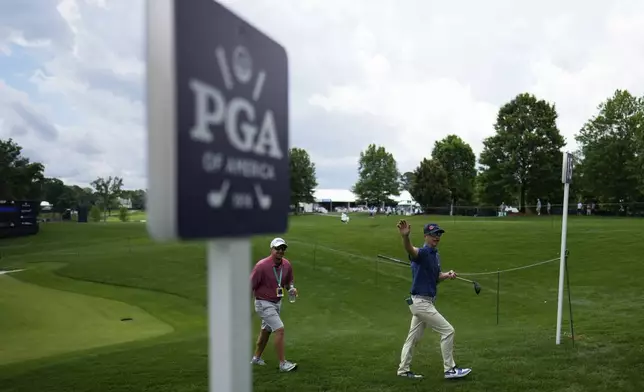
Rupe Taylor walks to the tee on the 16th hole during a practice round for the PGA Championship golf tournament at the Quail Hollow Club, Monday, May 13, 2024, in Charlotte, N.C. (AP Photo/David J. Phillip)
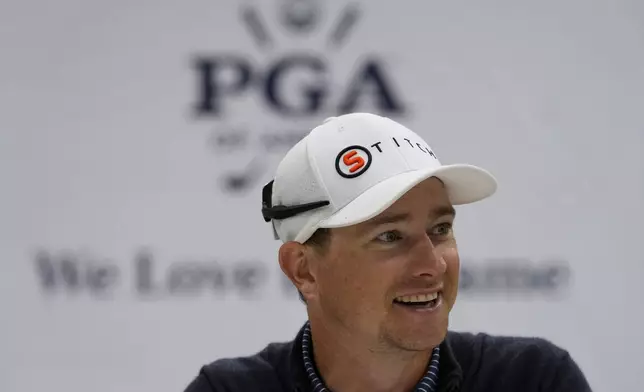
Rupe Taylor speaks during a interview before the PGA Championship golf tournament at the Quail Hollow Club, Monday, May 12, 2025, in Charlotte, N.C. (AP Photo/Matt York)
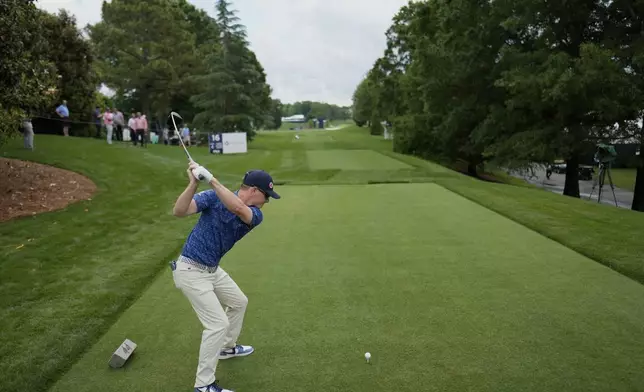
Rupe Taylor hits his tee shot on the 16th hole during a practice round for the PGA Championship golf tournament at the Quail Hollow Club, Monday, May 13, 2024, in Charlotte, N.C. (AP Photo/David J. Phillip)
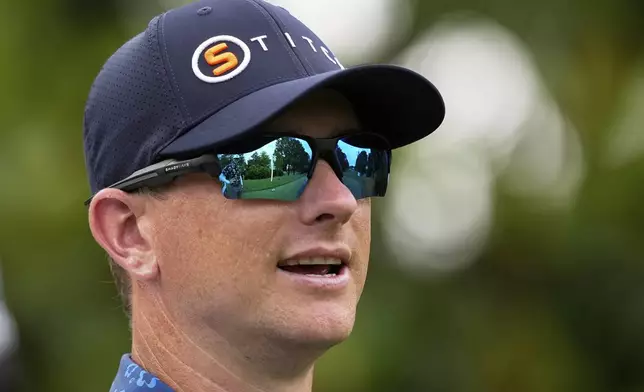
Rupe Taylor watches on the 16th hole during a practice round for the PGA Championship golf tournament at the Quail Hollow Club, Monday, May 13, 2024, in Charlotte, N.C. (AP Photo/David J. Phillip)
“I had to do a double take because I was like ‘I can’t believe this is happening,'” said Taylor, a 35-year-old whose “Play Better Golf Now” instruction business in Virginia is affiliated with Virginia Beach National. "He was so kind. He was authentic. I talked to him for a couple of minutes and he asked me about me.”
It was only for a couple of minutes, not nearly enough time for Taylor to tell him about a life he feared he had squandered through alcohol until he woke up in a hospital room, his arms and legs tied to the bed and his mother sitting beside him with her head in her hands.
Taylor was 23, a graduate of the Professional Golf Management program at North Carolina State, working at a Virginia golf course. He had been drinking since high school — “Anything, anytime, any reason to drink,” he said — until he was arrested for driving while intoxicated.
He had no memory of how he wound up in a hospital.
“I was completely incoherent,” Taylor said. “I didn't know what happened, so the only thing I knew to ask her was if I killed someone.”
There was relief to find out there was only minor damage to his car and another vehicle. And there was a second chance he couldn't afford to pass up.
He attended Alcoholic Anonymous meetings practically every day. He met a girl through a social media app, Baylee, who trusted the process and stayed by him on the road to recovery, to finding work in the golf business.
Taylor has been sober for 12 years now. They are married with an 18-month-old daughter, Noah. He worked at golf courses on Kiawah Island in South Carolina and back home in Virginia. That's when he decided to spend his working time giving lessons to a cross-section of people who wanted to get better, allowing more time with his wife and young daughter.
Yes, it's been a journey.
Taylor is among the 20 club professionals at the PGA Championship who will take on Quail Hollow alongside Scheffler and Rory McIlroy and defending champion Xander Schauffele. The strongest field of the majors has 98 of the top 100 players in the world ranking.
And the field includes Rupe Taylor, a recovering alcoholic and teaching professional who still can't believe he has his name plate in a locker room next to PGA Tour winners Nick Taylor and Sahith Theegala.
PGA professionals have come under scrutiny over the years for diluting a field at a major championship. They are among some 31,000 members of the PGA of America who work long hours giving lessons, folding shirts, organizing club competitions. This is their reward.
Taylor qualified at the PGA Professional Championship in Florida on April 30, making a double bogey on the 11th hole that made him sweat, recovering with consecutive birdies to easily finish in the top 20 to earn a spot in the field.
Scheffler recalls meeting Taylor on Sunday when he arrived.
“It's a lot of fun to have those guys in this tournament,” Scheffler said. “I think the PGA pros do a lot for the game of golf, running tournaments all over the country, teaching people all over the country, and it’s a huge organization, and they do a lot for our game.”
Taylor mentioned being on Cloud 9 on more than one occasion, but actions speak louder than cliches. He showed up Monday at 7:30 a.m. in the rain and played 18 holes.
“Nothing is going to faze me,” he said. “We have rain gear. We have umbrellas. I'm at the PGA Championship. I'm going to play.”
It was his second time at the PGA Professional Championship, the first experience a decade ago when he was just starting to get his life back in order. That wasn't easy on its own. And then a year into sobriety, Taylor lost his grandfather to cancer. Ten days later, his father died. He had diabetes from a young age and wasn't in the best shape.
“He had low blood sugar, got into a car accident and I never go to speak to him again,” Taylor said, his voice cracking slightly.
It was a devastating time in his life, and yet he never felt stronger.
“At that point, I had my sobriety in order and I think in some ways it helped me deal with the grief,” he said. "A lot of what we discussed in AA is you can't let circumstances influence your desire to drink or give you an excuse.
“Without sobriety, I would have fallen into a deep depression and gotten into another bender.”
His given name is Robert. Turns out he was playing Little League at age 10 and his coach had bad handwriting. He was called “Rupert," which became Rupe. And it stuck. It's a name worth noting this week, even if it likely won't be found on the leaderboard.
His expectations are minimal. Quail Hollow is a big course for anyone, much less a professional who spends more time giving lessons than honing his own game. Taylor at times wonders how good he could have become had he chosen a different path in golf.
Then again, he wonders how in the world he got from a hospital bed in a drunken state to teeing it up against Scheffler and McIlroy in the PGA Championship.
“I'm just going to do the best I can and have as much fun as I can,” Taylor said. “At the end of the day, it doesn't matter what I do. I feel like I won already just by being here.”
AP golf: https://apnews.com/hub/golf
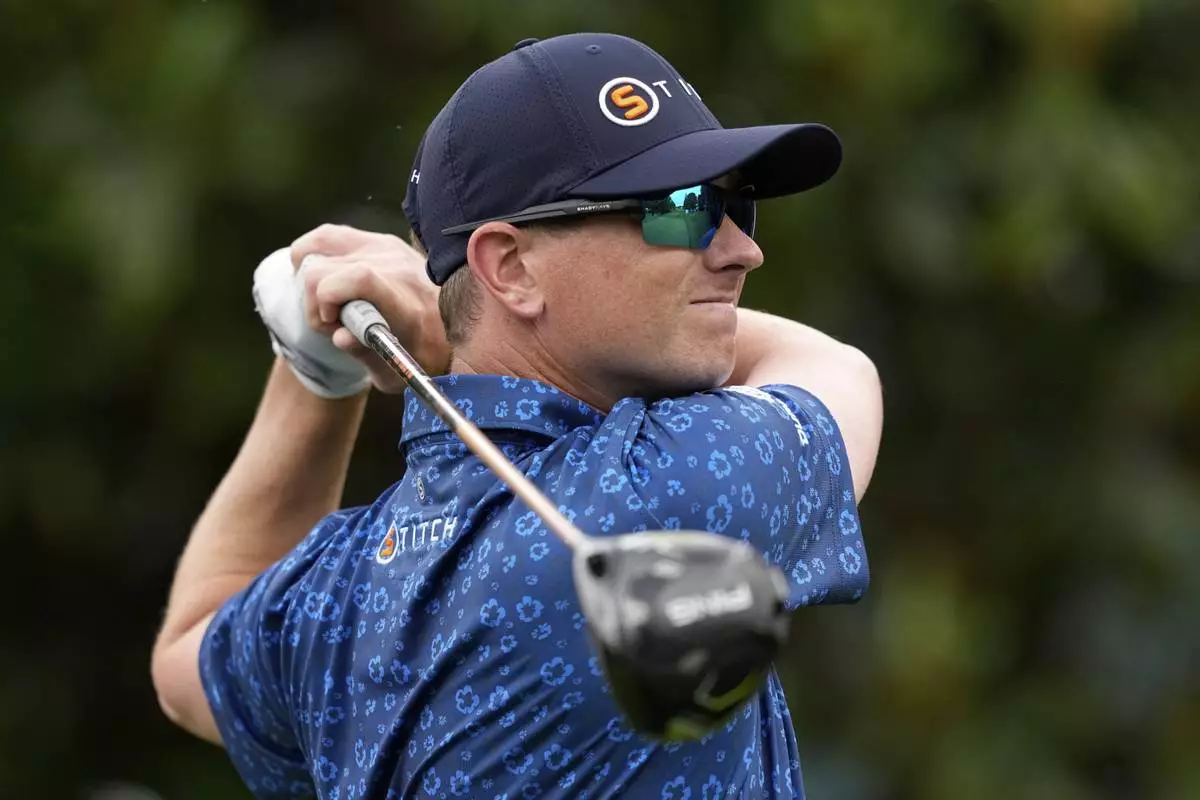
Rupe Taylor watches his tee shot on the 16th hole during a practice round for the PGA Championship golf tournament at the Quail Hollow Club, Monday, May 13, 2024, in Charlotte, N.C. (AP Photo/David J. Phillip)
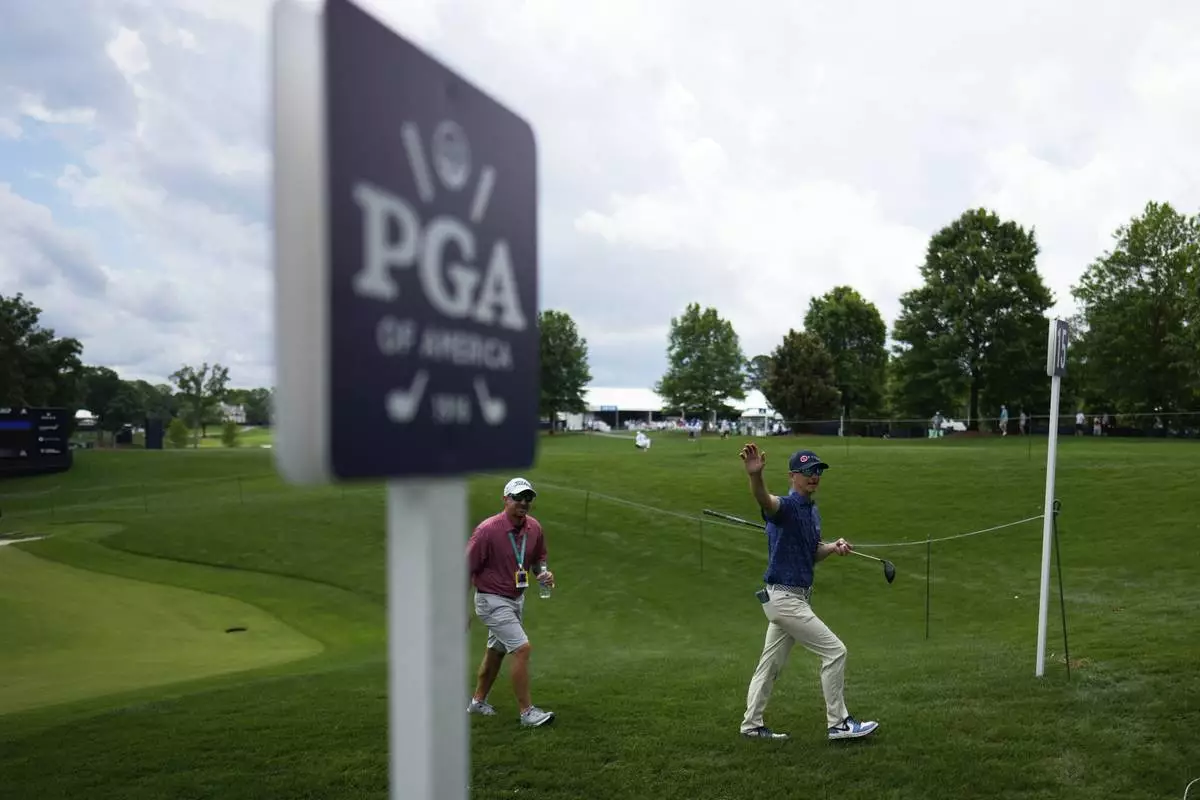
Rupe Taylor walks to the tee on the 16th hole during a practice round for the PGA Championship golf tournament at the Quail Hollow Club, Monday, May 13, 2024, in Charlotte, N.C. (AP Photo/David J. Phillip)
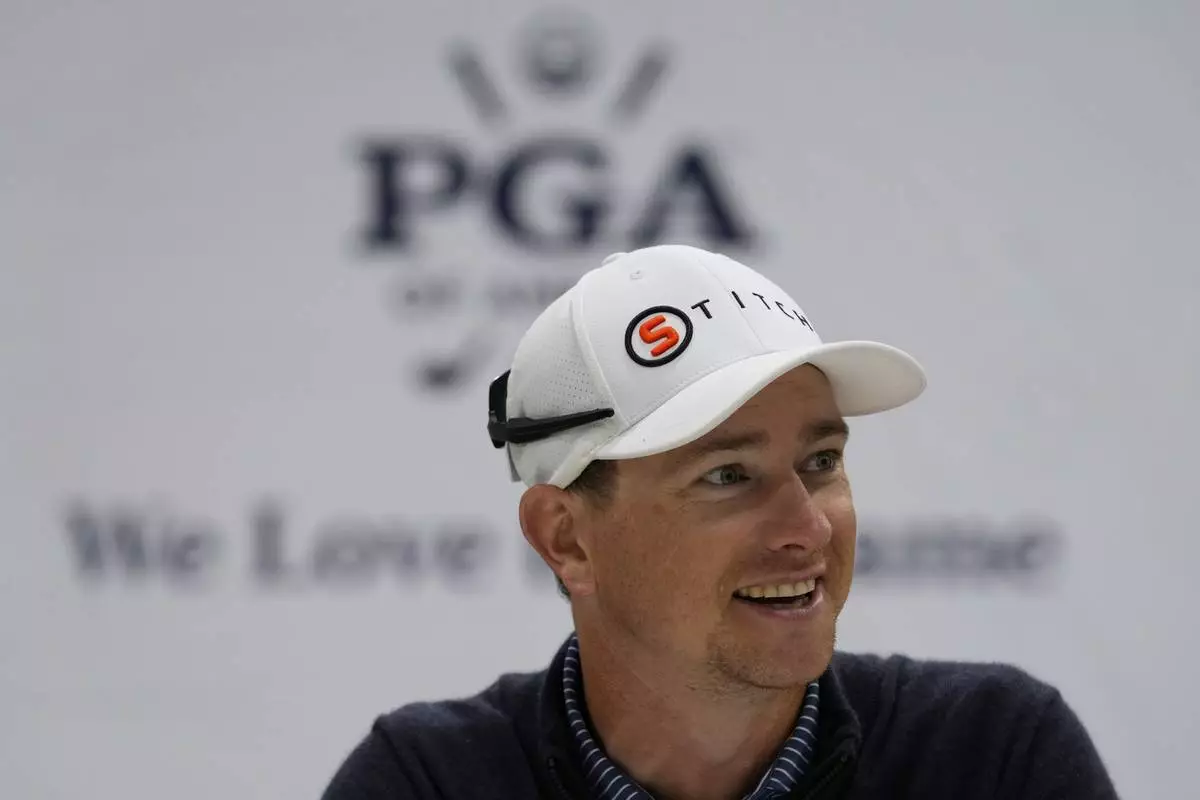
Rupe Taylor speaks during a interview before the PGA Championship golf tournament at the Quail Hollow Club, Monday, May 12, 2025, in Charlotte, N.C. (AP Photo/Matt York)
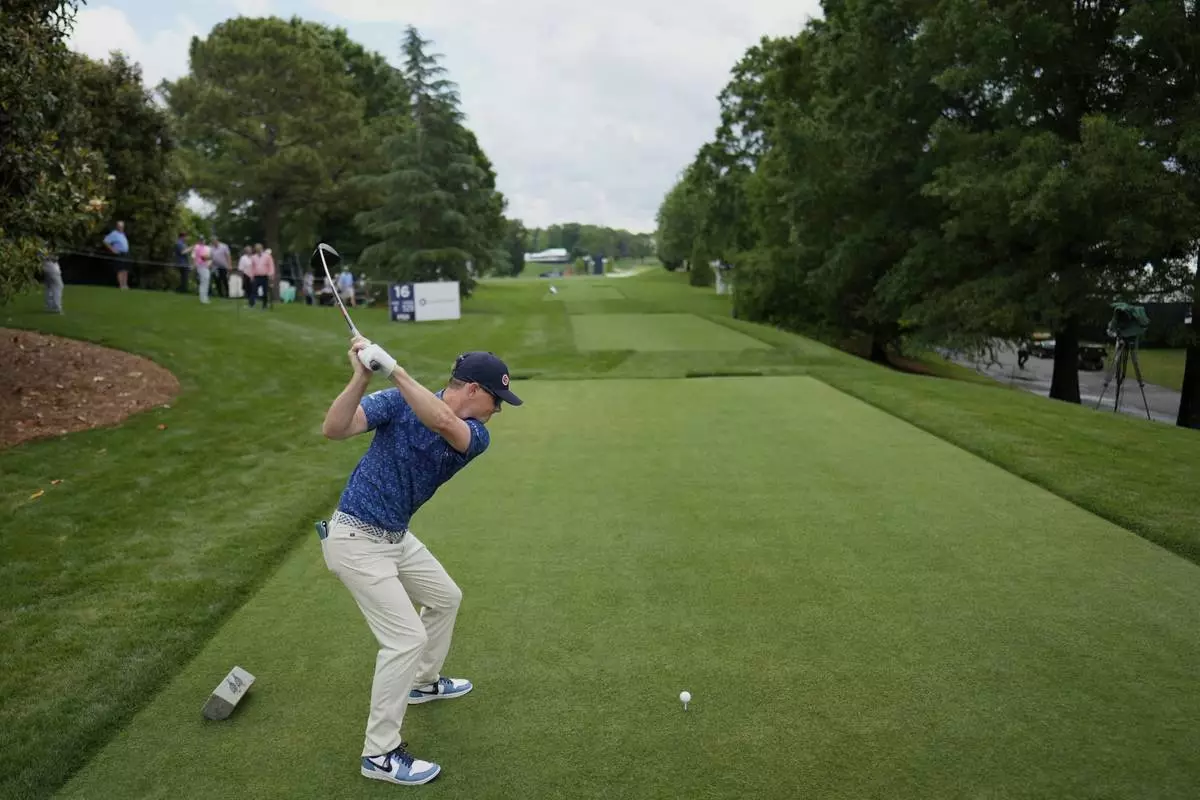
Rupe Taylor hits his tee shot on the 16th hole during a practice round for the PGA Championship golf tournament at the Quail Hollow Club, Monday, May 13, 2024, in Charlotte, N.C. (AP Photo/David J. Phillip)
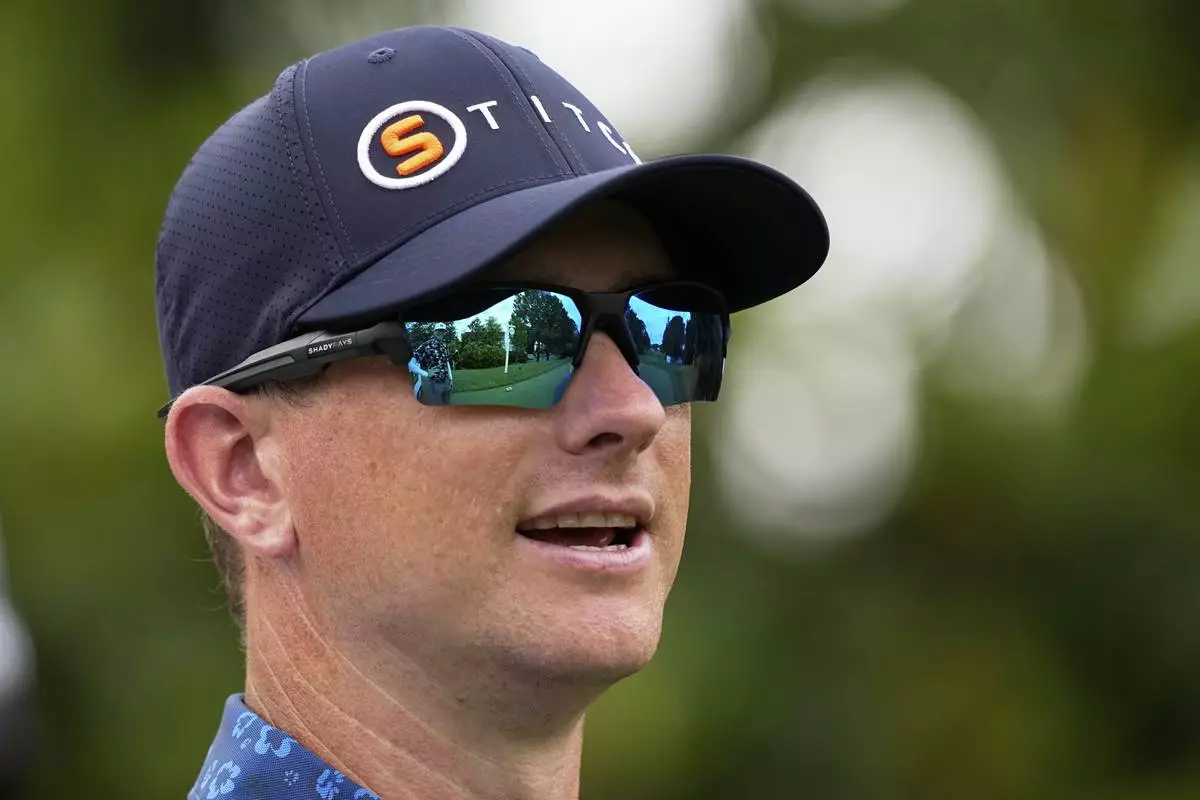
Rupe Taylor watches on the 16th hole during a practice round for the PGA Championship golf tournament at the Quail Hollow Club, Monday, May 13, 2024, in Charlotte, N.C. (AP Photo/David J. Phillip)