May 15 marks the 77th anniversary of Nakba, the massive exodus of Palestinians that occurred in 1948 following the establishment of the state of Israel. Yet decades later, displaced Palestinians in Gaza are facing a worsening humanitarian crisis due to Israel's blockade of goods and supplies.
Israel blocked the entry of goods and supplies into Gaza on March 2, following the end of the first phase of a January ceasefire deal with Hamas. It resumed attacks on Gaza on March 18.
Concerns over Gaza's humanitarian crisis are mounting following Israel's recent declaration that it plans to intensify its ongoing military campaign.
Salem Abu Aqda is 78 years old, whose family fled to Gaza from northern Palestine decades ago. According to Salem Abu Aqda, life in Gaza is now miserable due to severe shortages of daily necessities, but they have nowhere else to go.
"Long time ago, they pushed us out of northern Palestine to the Gaza Strip. Now, Israel is chasing us all the way to Gaza. We are still caught in the midst of war. This is not a war between two states (armies), but they are just killing the helpless civilians who hold nothing but a stick. What's more, Israel has deprived us of basic living necessities. They have shut down the border crossings, leaving us without flour, rice, fish, and meat, absolutely nothing. Where are our human rights?" said Salem Abu Aqda.
Ahmed Hamad is one of the many displaced Palestinians now seeking shelter in overcrowded refugee camps in Gaza.
His family was forced to flee seven times over the past year before finally returning to their home, which, however, was no longer there.
"What we are experiencing now is even worse than the Nakba of 1948. We have suffered massacres, hunger, killing and repeated displacement. Now, the Israeli military urges us to move to the western part of Gaza, claiming it is a safe zone. But the reality is that we are attacked no matter where we go. We fled south to Rafah -- only for it to be bombed. We escaped to Khan Yunis and Deir al-Balah -- only to see them bombed as well. Finally, we returned to Northern Gaza, and it also came under attack. The truth is, we live in a constant state of violence and displacement. Wherever we go, we face attacks. Death surrounds us everywhere," said Ahmed Hamad.
Israel's military campaign in Gaza, launched after Hamas-led attacks on southern Israel on Oct 7, 2023, had so far killed 52,928 Palestinians, Gaza health authorities said on Wednesday.
Humanitarian conditions in the territory have continued to deteriorate, with large-scale destruction, limited access to aid, and worsening shortages of food, water, and medical supplies. Aid agencies have warned that civilians, particularly women and children, are bearing the brunt of the ongoing conflict.
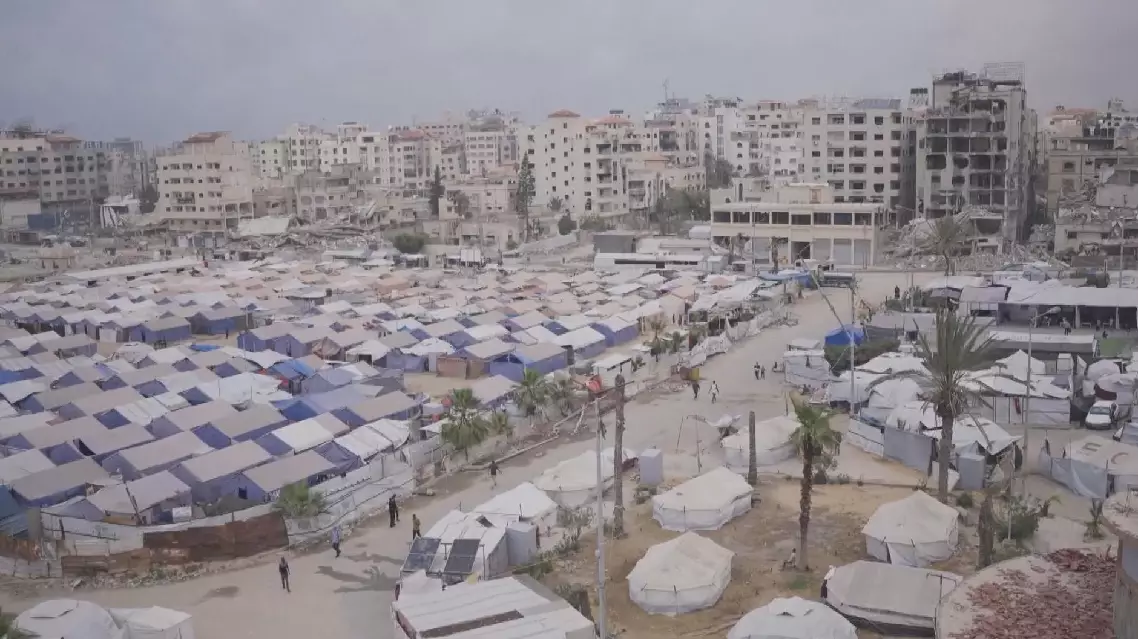
Palestinians face worsening humanitarian crisis due to Israel's blockade of aid into Gaza
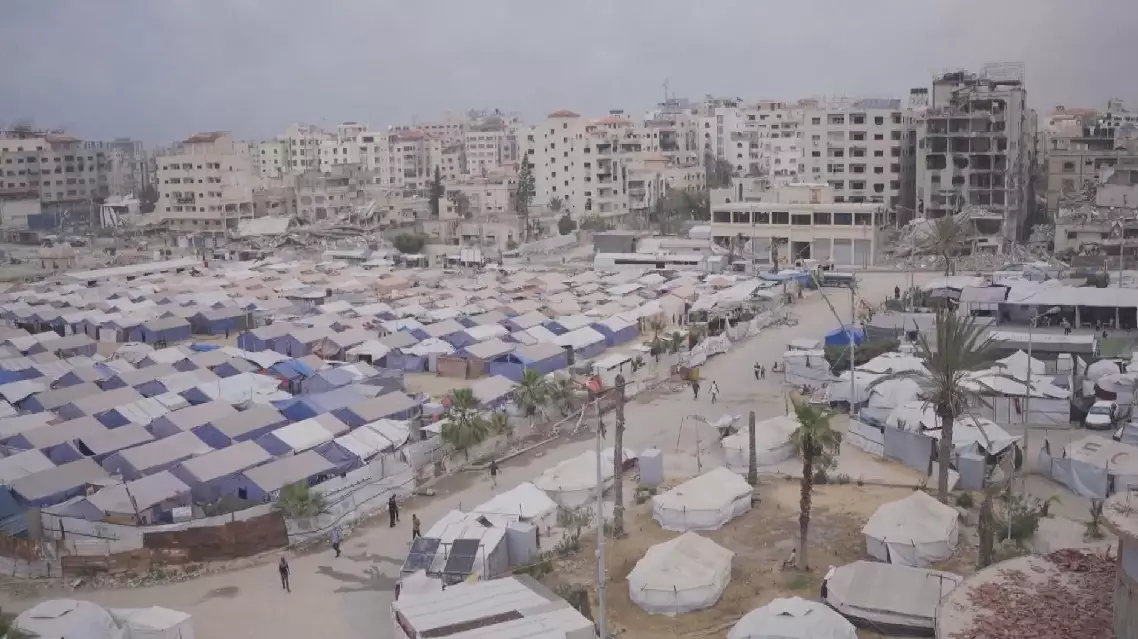
Palestinians face worsening humanitarian crisis due to Israel's blockade of aid into Gaza