Skip to Content Facebook Feature Image

China's Chongqing innovates urban drainage with "sponge city" model

China

China

China

China's Chongqing innovates urban drainage with "sponge city" model

2025-05-16 15:22 Last Updated At:16:27

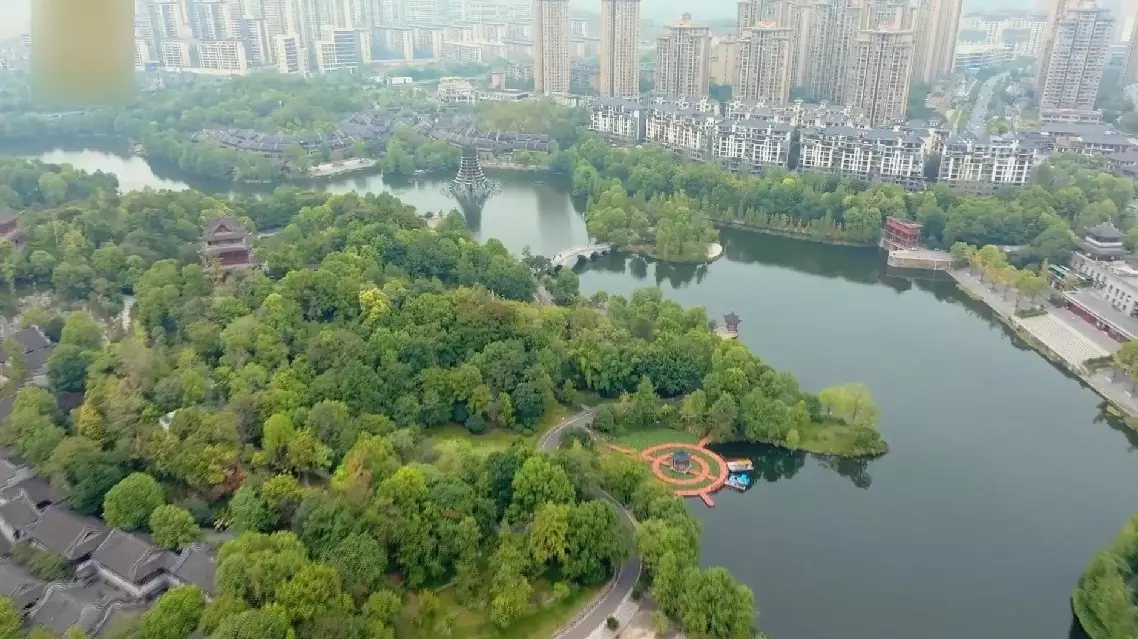
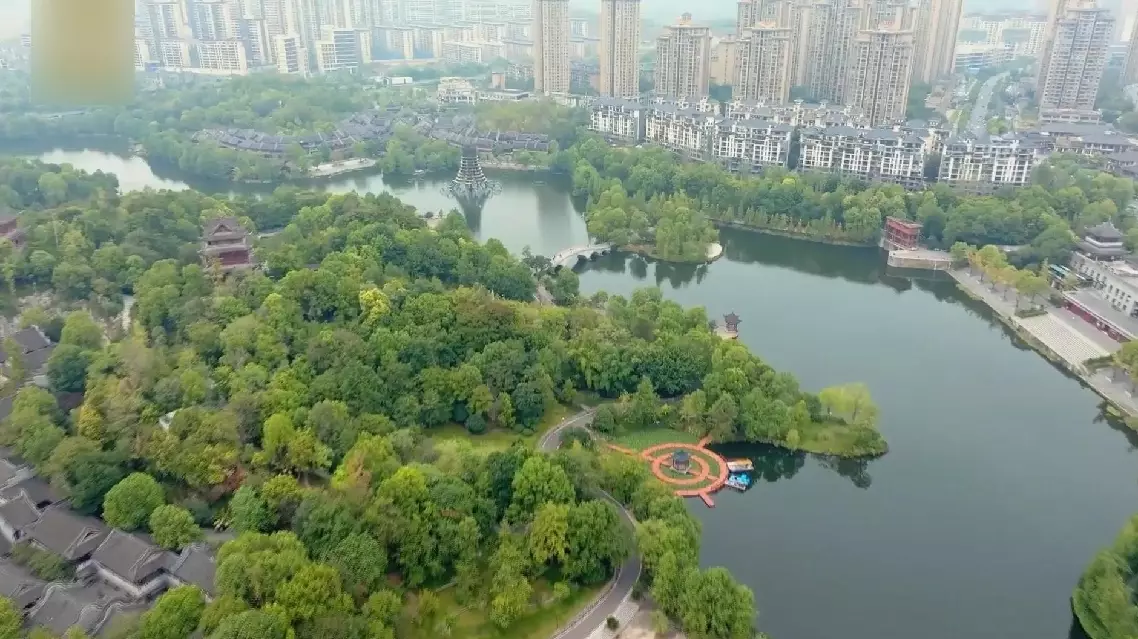
Bishan District in southwest China’s Chongqing Municipality is setting a new benchmark in urban drainage through its innovative "sponge city" model.

Bishan District was selected in February 2017 as a pilot for climate adaptation, and has developed itself into a sponge city.

By utilizing permeable bricks, the ground is enabled to absorb water more effectively, enhancing natural infiltration. In addition, rain gardens function as natural reservoirs, while school rooftops have been transformed into verdant green spaces.

Overall, this innovative approach not only helps mitigate urban flooding, but also contributes to improving the local microclimate -- an exemplary model of ecological urban development.

"What is a 'sponge city'? It's an urban development concept that treats the city like a giant sponge -- absorbing water when it rains and releasing it when needed. The system is highly flexible," said Tang Chuandong, a planning designer of the Western Branch of the China Academy of Urban Planning and Design.

Over the recent years, Bishan District has developed mini sponge systems.

"Solid buildings and hard ground aren't very adaptable when it comes to climate change. For that reason, we incorporated sunken areas into industrial park designs to create rain gardens -- mini ecological sponge systems," Tang said.

When it rains, water is collected in these gardens and is filtered through vegetation, soil and sand layers before being stored in underground tanks. Multiple small sponge systems beneath large buildings help disperse, manage and store rainwater more effectively. Additionally, Bishan District's sponge city initiative has made the ground more permeable.

"We've laid permeable bricks with a certain porosity. This allows rainwater to seep into the ground, thereby reducing surface water buildup," said Tang.

Tang also highlighted the ecological benefits of transforming school rooftops into lush green spaces.

"Typical rooftops are just bare concrete. But when building a sponge city, like here at the school, aside from the greenery around us, we also green the rooftop. The area most exposed to sunlight is our rooftop, right? We turned the roof into a green sponge system by laying down soil, scattering seeds, and growing grass. It's like giving the rooftop a 'green jacket'. Doesn't it feel cooler?" he said.

"Don't underestimate the small green roof. As the Chinese saying goes, 'No good deed is too small to be done.' One roof may have limited impact, but if many buildings, or an entire city, adopt green roofs, the effect on urban climate regulation could be extremely substantial," said Tang.
China's Chongqing innovates urban drainage with "sponge city" model
China's Chongqing innovates urban drainage with "sponge city" model


China's Chongqing innovates urban drainage with "sponge city" model
China's Chongqing innovates urban drainage with "sponge city" model
The Iranian government is focusing on public concerns and maintaining stable supplies of essential goods amid recent protests, Iranian President Masoud Pezeshkian said in a televised interview on Sunday.

In the city of Karaj, northwest of the capital Tehran, daily life has largely continued as normal. A video filmed by a local resident on Sunday shows food stores open and grocery shelves fully stocked.

"This is the block near my home, and there are some food stores here. Daily life continues here. Last night we did not see many protests in Karaj. Right now the city is very safe. This is a grocery store close to my home. All the food is available; nothing is in shortage. Here are noodles and different types of beans. Here are dairy products, cheese, and yogurt. I also checked other grocery stores and didn't see any shortages. Everything is available," said local resident Ali Reza.

Iranian officials have described recent disturbances as acts orchestrated by the "enemy," including some carried out by well-trained and armed "terrorists." The incidents have caused casualties among security personnel and civilians, as well as property damage.

The Secretary of Iran's Supreme National Security Council Ali Larijani has directed authorities to severely punish the "terrorists."

Meanwhile, Iran's police chief Ahmad-Reza Radan said on Sunday that the police had raised alert levels and arrested several leaders of the troublemakers during the operations on Saturday.

President Pezeshkian noted in the interview that the normal demands of the Iranian people are reasonable and justified, but they must realize that triggering riots and carrying out terrorist acts are the enemy's attempts to undermine the country. He urged the public to remain vigilant.

Also on Sunday, Iranian Parliament Speaker Mohammad Baqer Qalibaf warned that Tehran would regard U.S. and Israeli bases and facilities in the Middle East as "legitimate targets" if Washington takes military action against Iran. His remarks followed media reports saying U.S. President Donald Trump is "seriously considering authorizing a strike" against Iran.

Iranian state media reported that at least 109 members of Iran's security forces have been killed in clashes since the protests began 14 days ago. Meanwhile, human rights groups based outside the country said the number of protesters killed has exceeded 200, though the figure could not be independently verified.

The protests initially erupted over a sharp depreciation of the rial and sweeping subsidy reforms. Iranian authorities have blamed the unrest on foreign-linked agents and sanctions imposed by the United States.

Iranian president says government focusing on ensuring supplies amid protests

Iranian president says government focusing on ensuring supplies amid protests

Recommended Articles