Several organizations are collaborating on coral restoration efforts in Costa Rica as coral bleaching has become increasingly severe in recent years, driven by rising sea temperatures.
The Cano Island Biological Reserve, home to the healthiest coral reefs in the Central American country, is facing a troubling decline. Over the past two to three years, coral coverage in the reserve has decreased by 50 percent, and 80 percent of the corals have bleached, causing significant harm to marine life that depends on this ecosystem.
Julia Zafra, head of Education and Awareness at Innoceana, a global non-profit marine conservation organization, recalled the vibrant underwater scene she first encountered five years ago, with large groups of colorful corals and a rich variety of marine species. But in the past two years, the sea temperature around Cano Island has risen to 31.6 degrees Celsius, significantly higher than the normal survival range of 24 to 28 degrees Celsius for corals, putting great pressure on their survival. The reserve has also experienced severe weather events, including heavy rainfall and island landslides, which have further contributed to coral loss.
"We always check if the coral is bleached or if the coral has diseases. And we tag the corals, so we can monitor the coral colonies every month. And this is how we've been seeing a decline like the corals that we had tagged. So many of them are already dead or bleached," she said.
Typically, coral reefs can recover from bleaching within a few weeks, but once the corals start to die, the recovery period may take more than 10 years. The window for coral restoration is rapidly shrinking, and if the current trends continue, it's predicted that by 2050, all corals could be dead, resulting in a devastating blow to marine ecosystems worldwide, according to Zafra.
Through their research, Zafra and her colleagues have discovered that certain coral species exhibit remarkable resistance to high temperatures and environmental stress. These resilient corals, known as "super corals," have the potential to survive in such conditions and may hold the key to restoring coral populations. By cultivating and reintroducing these super corals into the ocean, scientists hope to rejuvenate coral reefs.
Along with cultivating super corals, other efforts are also underway to protect coral reefs.
"Not all places can be designated as protected zones, but we are also taking other measures. We have implemented three measures, such as establishing biological corridors. These measures will contribute to preserving biodiversity," said Licda. Jenny Asch Corrales, a staff member of the National System of Conservation Areas, part of the Ministry of Environment and Energy (MINAE) of Costa Rica.
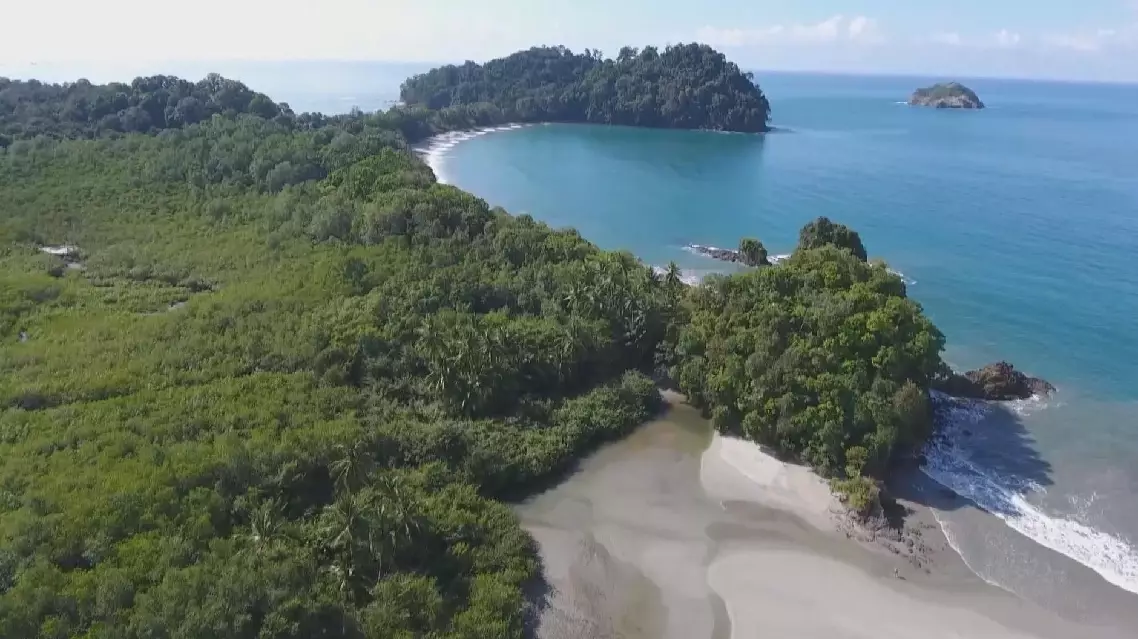
Joint efforts to restore coral underway in Costa Rica
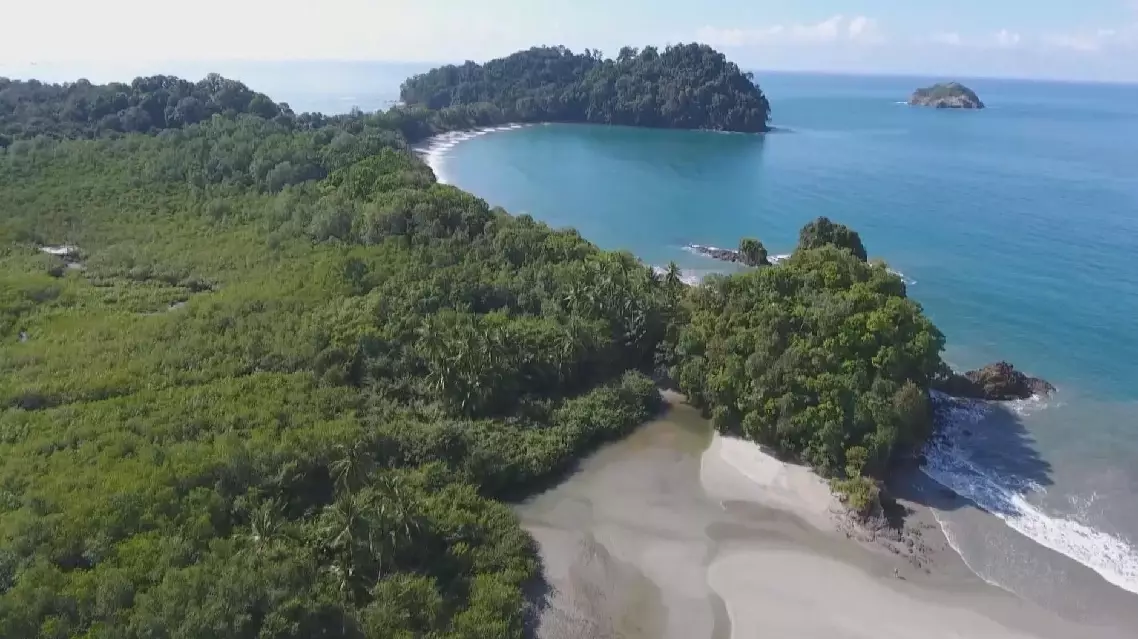
Joint efforts to restore coral underway in Costa Rica