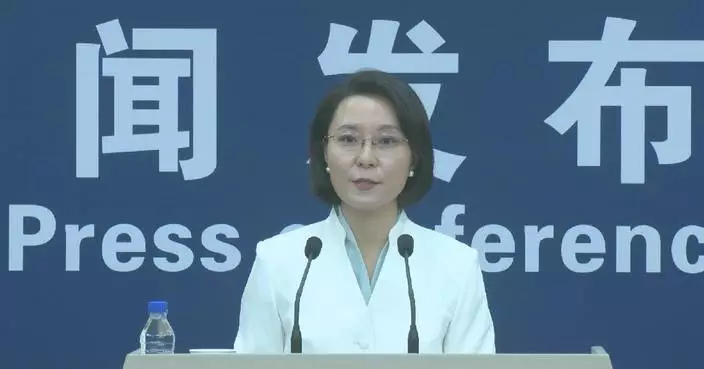
China has earmarked approximately 159.4 billion yuan for urban renewal during the country's 14th Five-Year Plan (2021-2025) period, a senior official in charge of economic construction said in Beijing on Tuesday.
Guo Fangming, director of the Department of Economic Construction under the Ministry of Finance, briefed on China's urban renewal campaign as it strives to build livable, resilient and smart cities, and to bolster high-quality development.
In its latest push, China on Thursday unveiled a set of guidelines, pledging increased policy and financial support for urban renewal projects, which can range from gas pipe updates and lift installations to the renovation of old factories into commercial zones.
"Since the start of the 14th Five-Year Plan period, we have allocated around 159.4 billion yuan in central subsidies to support the renovation of old residential communities. Since 2023, we have parceled out 15.3 billion yuan to advance the redevelopment of urban villages. During the 14th Five-Year Plan period, we have assigned about 60 billion yuan to support 60 cities in systematically promoting 'sponge city' construction, which is estimated to have driven a total investment of 160 billion yuan," said Guo.
A sponge city is designed to absorb, store, and purify rainwater through natural means such as permeable pavements, wetlands and green roofs, reducing surface runoff and urban flooding.
Launched in 2015, China's "sponge city" initiative was first piloted in 50 cities with the aim of reducing waterlogging and boosting rainwater recycling.
By the end of 2021, about 130 cities had been recognized as water-saving cities, becoming models for nationwide urban water conservation, according to the Ministry of Housing and Urban-Rural Development.
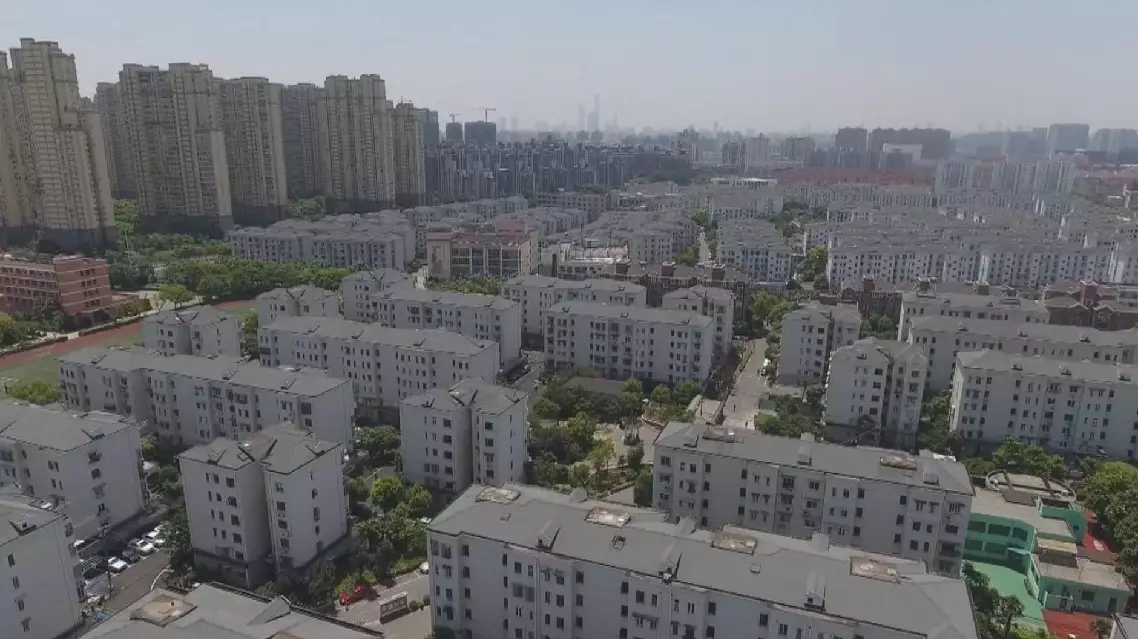
China allocates 159 bln yuan for urban renewal during 2021-25 period
China's Minister of Commerce Wang Wentao outlined the key priorities of the 32nd Asia-Pacific Economic Cooperation (APEC) Ministers Responsible for Trade Meeting, which opened on Friday in Suzhou, East China's Jiangsu province.
In an interview with CGTN ahead of the two-day meeting, Wang said free trade, digital cooperation and green economy are high on the agenda of the meeting.
"The key areas include advancing regional economic integration and the Free Trade Area of the Asia-Pacific, supporting the World Trade Organization (WTO) in strengthening digital cooperation and developing green economy. At present, the international situation is marked by intertwined turbulence and chaos, with intensified geopolitical instability. The rise of unilateralism and protectionism poses serious challenges to the international economic and trade order, disrupting global and Asia-Pacific development. Against this backdrop, all parties have higher expectations for this trade ministers' meeting, hoping that it can build consensus and deliver outcomes," Wang said.
This year marks China's third time hosting the APEC meetings and the 35th anniversary of its membership.
By 2025, China had become the largest trading partner of 13 APEC economies. Trade between China and APEC economies reached 3.7 trillion U.S. dollars, accounting for 57.8 percent of China's total foreign trade.
China has signed 24 free trade agreements or economic and trade arrangements with 31 countries and regions, including 15 APEC economies. In recent years, China has also completed upgrades of free trade agreements with APEC economies such as Singapore and Peru.
The minister said that China has always been a firm supporter and an important contributor to APEC.
"We have actively shared our vast market and development opportunities with all parties. China's door to the world will only open wider and wider. Facing the common challenges, China will continue to fulfill its responsibilities as a major country, further deepen reform, expand high-standard opening-up, and continue to provide new opportunities for the Asia-Pacific region and the world with its new achievements in Chinese modernization," the minister said.
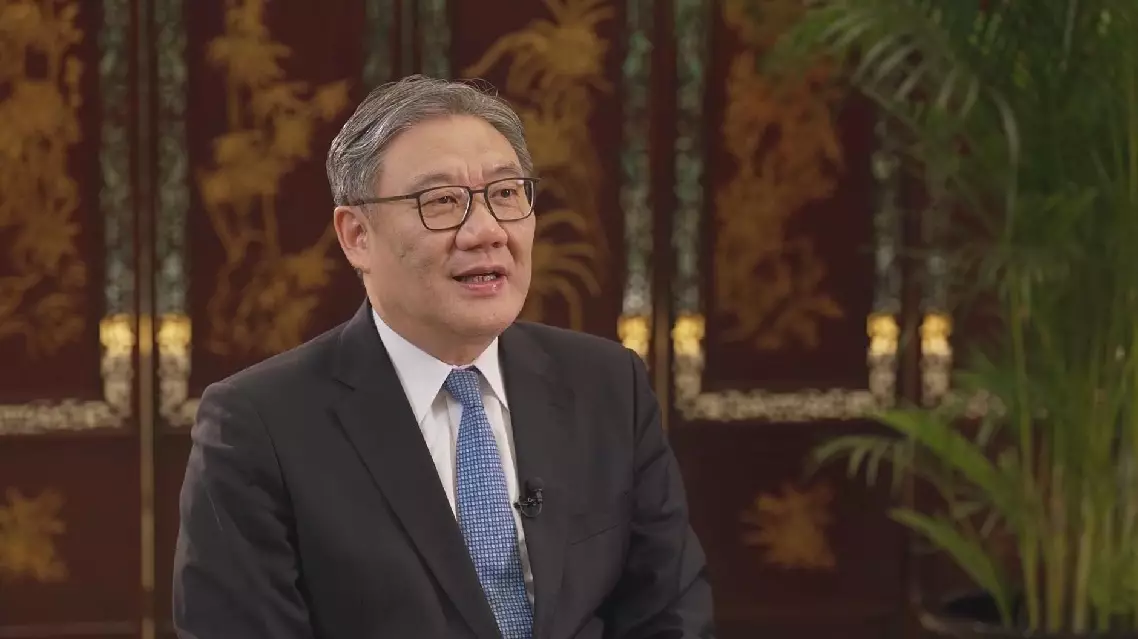
China's Commerce Minister outlines priorities for 32nd APEC trade ministers' meeting