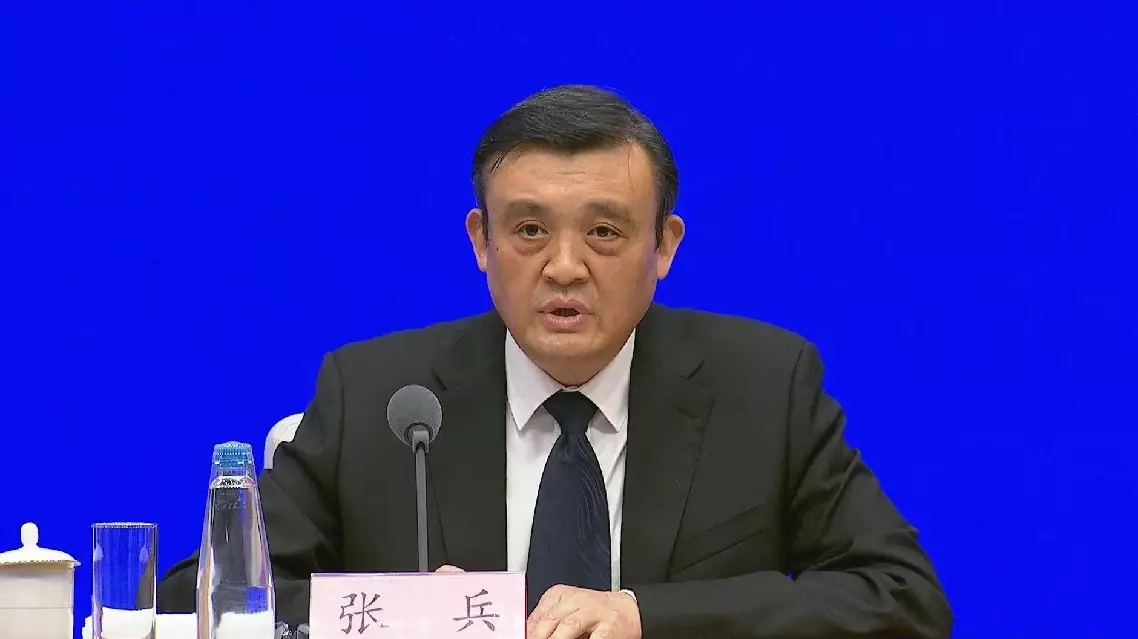
China will strengthen urban renewal efforts through a centralized spatial planning system aimed at optimizing resource management and preserving historical areas, said Zhang Bing, chief planner of the Ministry of Natural Resources on Tuesday.
China unveiled a set of guidelines earlier on Thursday which is designed to achieve key progress in the country's urban renewal campaign by 2030. They also aim to improve safety conditions, enhance service efficiency, elevate living environments, develop business models, and preserve cultural heritage.
Zhang outlined several specific support measures during a State Council Information Office (SCIO) press conference, highlighting a "whole lifecycle" approach to land use and data-sharing across government departments.
"By establishing the 'one map' unified spatial database integrated with natural resource management and territorial spatial planning, we will intensify the investigation of existing resource assets, figure out their quantity, ownership and utilization. And we will meet the requirement of "old cities cannot be demolished again", carry out targeted investigations on spatial elements of natural, cultural and historical aspects within the city to form a unified base map and data base. On the 'one map' system, we will push for a whole lifecycle management on land survey, ownership registration, rights and interests, urban planning, usage regulation and law enforcement, streamline data sharing among departments, truly realize the management of assets, the use of resources, and the revitalization of cities, and support urban renewal actions," he said.
The ministry pledged closer collaboration with the Ministry of Housing and Urban-Rural Development to address policy gaps, saying that efforts will be made to identify challenges early and enhance policy support to ensure the urban renewal plans are implemented.
China to boost urban renewal with unified land-use mapping system