President Xi Jinping studied the sinicization of Buddhism and the integrated development of culture and tourism on Monday during his inspection tour in Luoyang City, central China's Henan Province.
At the ancient White Horse Temple, first built in the Eastern Han Dynasty (25-220), Xi, also general secretary of the Communist Party of China Central Committee and chairman of the Central Military Commission, learned in detail about the sinicization of Buddhism and the temple's efforts to protect cultural relics.
The White Horse Temple witnessed how Buddhism was introduced to China and has continuously developed in its assimilation with the Chinese culture and society, Xi said.
History has proven that it is entirely correct to adhere to the direction of sinicizing religions in China, Xi said, urging efforts to actively guide religions to be fused into fine traditional Chinese culture and get adapted to China's socialist society.
Xi also came to the Longmen Grottoes, a UNESCO World Heritage site with a history of over 1,500 years.
He observed the overall layout and outlook of the grottoes, as well as representative niches and statues, and had a cordial exchange with the on-site cultural relic workers, urging efforts to protect, pass on and disseminate these treasures of Chinese culture.
The president also spoke with tourists at the Longmen Grottoes, and encouraged children to visit cultural sites more often to explore Chinese culture and build cultural confidence from a young age.
Pointing out the broad prospects of integrated development of culture and tourism, Xi called for efforts to promote high-quality development of the cultural tourism industry, so that the sector can truly support the local economy, improve people's livelihood, and bring happiness to people.
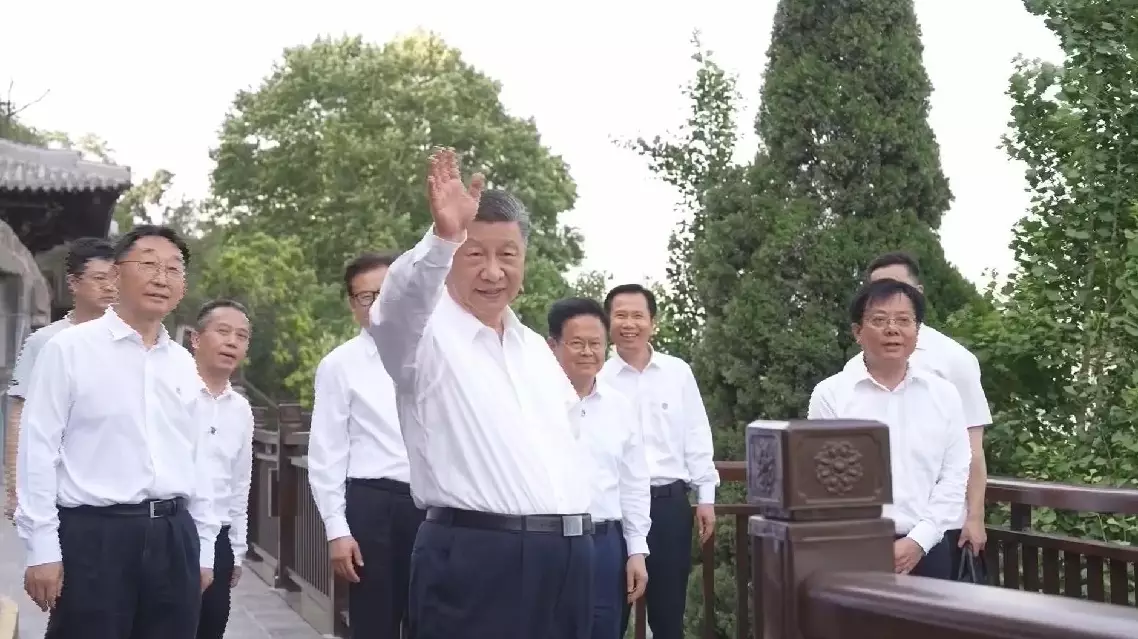
Xi studies sinicization of Buddhism, cultural tourism in Henan
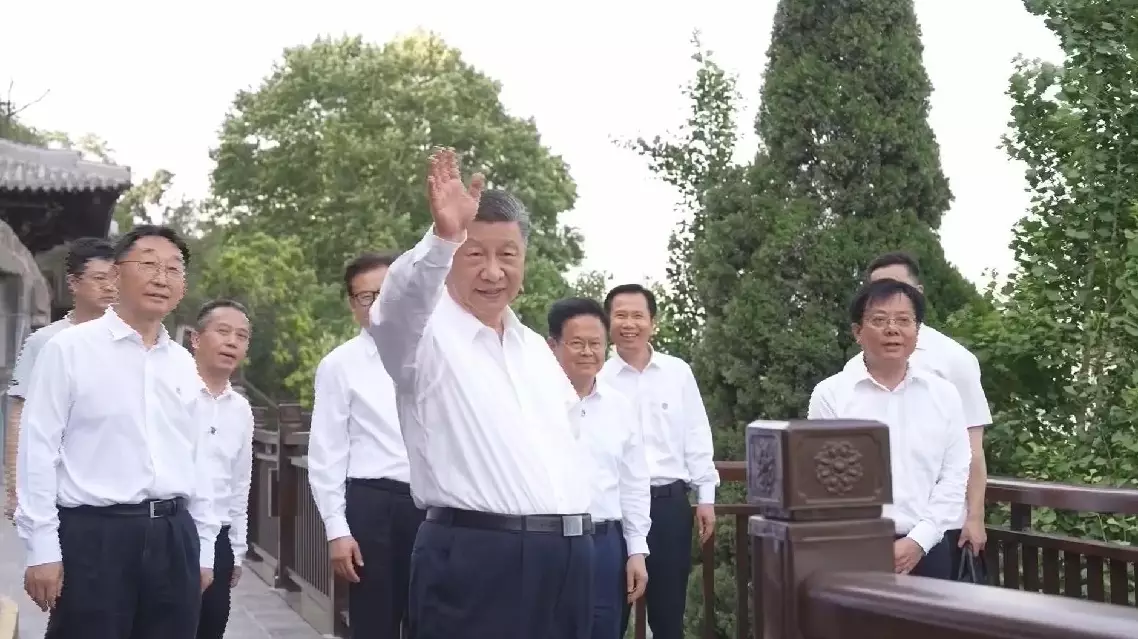
Xi studies sinicization of Buddhism, cultural tourism in Henan
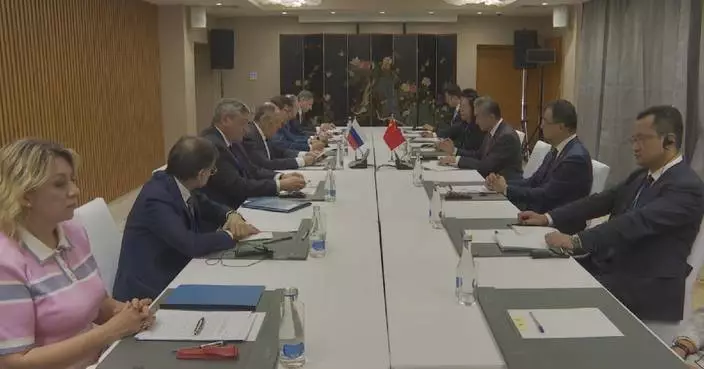
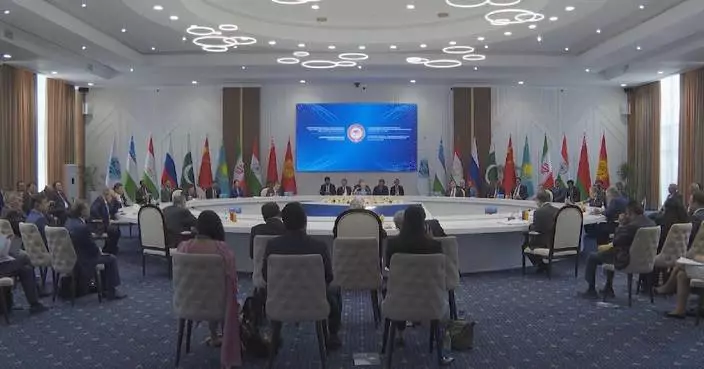
Chinese Foreign Minister Wang Yi met with Tajik Foreign Minister Sirojiddin Muhriddin on Friday on the sidelines of the Meeting of the Council of the Ministers of Foreign Affairs of the Shanghai Cooperation Organization (SCO) Member States in Kyrgyzstan.
Wang, also a member of the Political Bureau of the Communist Party of China Central Committee, said that in May this year, Tajik President Emomali Rahmon paid a successful state visit to China.
The most important outcome of the visit was the signing of the China-Tajikistan Treaty on Permanent Good-Neighborliness, Friendship and Cooperation, which set a precedent in Central Asia, Wang said.
The two sides also issued the Joint Statement between the People's Republic of China and the Republic of Tajikistan on Deepening the Comprehensive Strategic Cooperative Partnership in the New Era, demonstrating their determination to jointly promote the building of a China-Tajikistan community with a shared future, Wang said.
The common task of the foreign ministries of the two countries is to translate the consensus reached by the two heads of state into concrete actions, make plans for exchanges at various levels, and promote deeper and more substantive cooperation in areas including energy, connectivity and counterterrorism and security, so as to deliver more cooperation outcomes benefiting the people of both countries, Wang said.
Muhriddin said Rahmon's visit to China this year was a great success and yielded fruitful results, further consolidating high-level mutual trust, and opening a new chapter in bilateral relations.
China has become Tajikistan's largest trade and economic partner, he said, adding that Tajikistan is confident in the prospects of bilateral cooperation.
Tajikistan is willing to work with China to fully implement the consensuses reached during Rahmon's visit, strengthen practical cooperation in areas including energy, jointly combat terrorism, and elevate the Tajikistan-China comprehensive strategic cooperative partnership in the new era to a higher level, Muhriddin said.
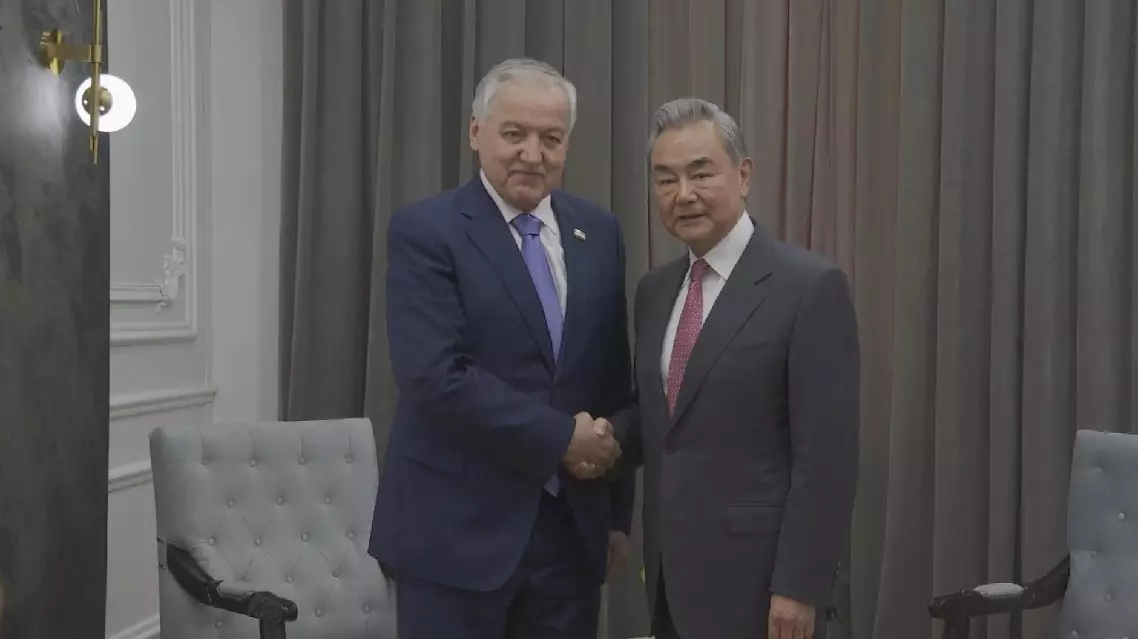
Chinese FM meets Tajik counterpart