Kairat Kelimbetov, former Deputy Prime Minister of Kazakhstan, urged stronger international connectivity on Monday, warning that escalating tariff disputes might signal the beginning of a new economic order.
Speaking to China Global Television Network (CGTN), Kelimbetov noted that as global fragmentation deepens, tariff disputes among major economies are becoming increasingly evident.
"We see now it's a big tariff dispute or tariff war between global powers. So, we have recently seen the recent decisions of the new U.S. administration. I believe it's like a beginning of the new economic order probably," he said.
Kelimbetov emphasized that China's commitment to fostering win-win partnerships with trading partners enhances mutual benefits through increased cooperation among countries.
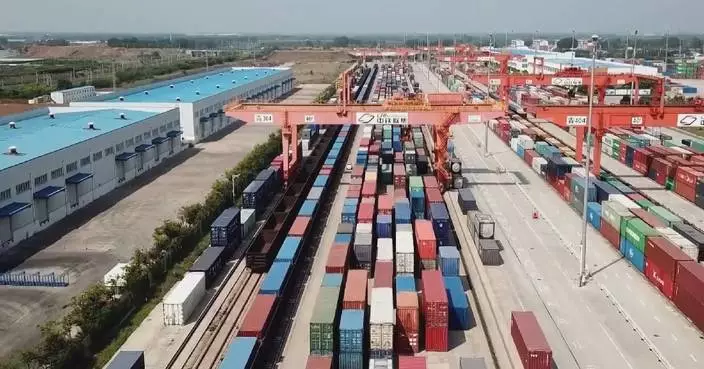
"Diplomacy and the economic diplomacy of China is always bringing win-win situation when you are trying to bring goods for one country and to get goods for another one. The good example of this is the Belt and Road Initiative (BRI), where the country benefiting from the connectivity between each other, from one side. And from the other side, it's one plus one more than three," he said.
Amid escalating global trade conflicts, he expressed hope for stronger trade ties and deeper integration between Kazakhstan and China, as well as across Central Asia and China.
"Between Central Asia and China, particularly Kazakhstan and China, I think that we will focus more on trade between each other and deeper integration. Especially, I believe, in financial and digital connectivity," he said.
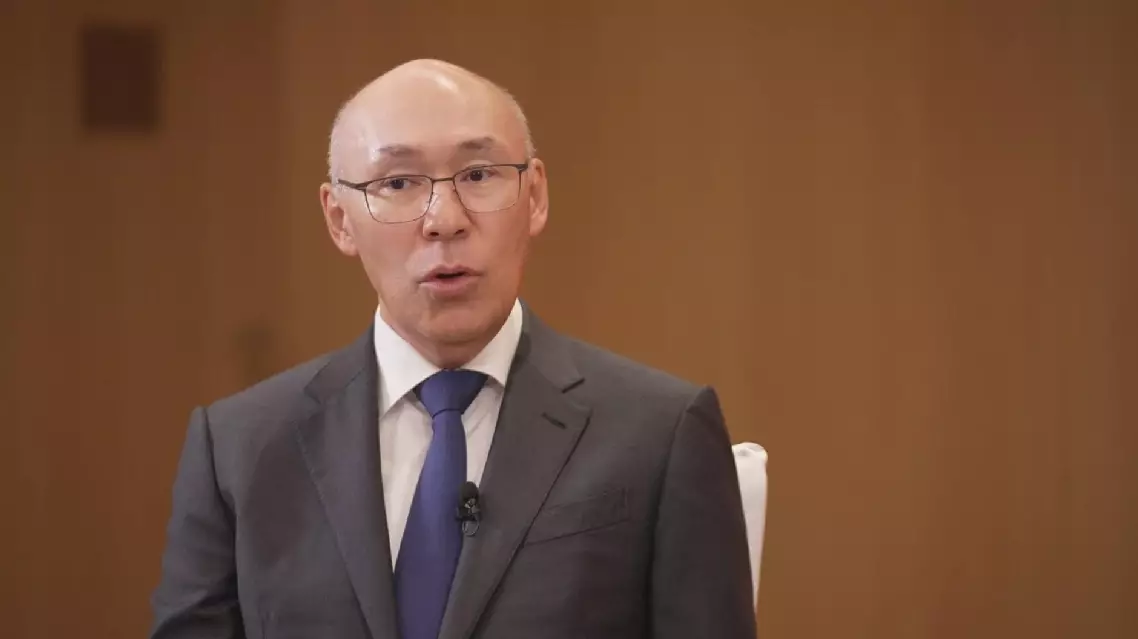
Kazakhstan former deputy PM urges stronger connectivity amid global fragmentation
Iranian Parliament Speaker Mohammad Baqer Qalibaf warned on Sunday that Tehran would view the United States and Israel's military bases and facilities in the Middle East as "legitimate targets" should Washington take military action against Iran.
At a parliamentary session convened to review an emergency proposal on assembly regulations, Qalibaf emphasized that, at this highly sensitive juncture, Iran must accurately and thoroughly identify the schemes of its adversaries.
Qalibaf said that Iran is currently confronting Israel and the United States simultaneously on four fronts: economic, cognitive, military, and counterterrorism. Of them, the economic warfare and the cognitive and psychological warfare began many years ago and have persisted to this day, growing increasingly complex and intense in recent years.
The remarks came as U.S. President Donald Trump is reportedly "seriously considering authorizing a strike" against Iran, taking advantage of its nationwide unrest.
Protests have erupted in several Iranian cities since late December over the sharp fall of the rial and long-standing economic hardship. Iranian authorities have acknowledged the demonstrations and voiced willingness to address economic grievances, while warning against violence and vandalism.
Amid the ongoing protests, deadly clashes have been reported lately between police and what the government described as "rioters." However, no official death toll has been released.
Also on Sunday, Iran's semi-official Tasnim news agency reported that Iranian President Masoud Pezeshkian will address the country's economic situation and political environment in a televised interview later that day.
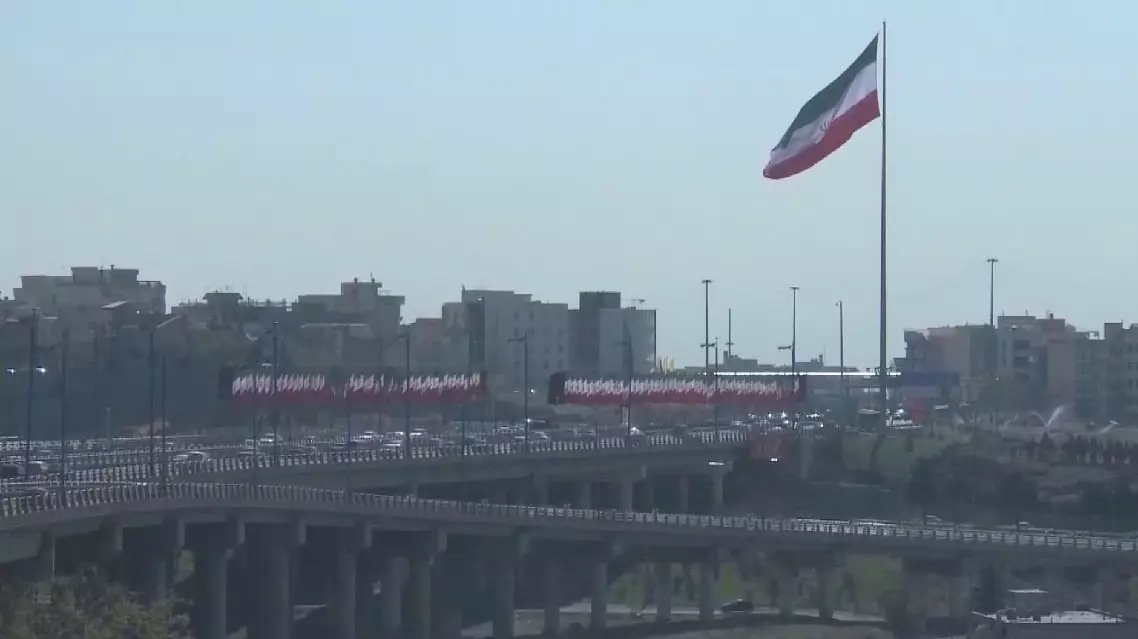
Iran swears to counterattack if attacked