Skip to Content Facebook Feature Image

China's instant tax refund policies fuels inbound consumption

China

China

China

China's instant tax refund policies fuels inbound consumption

2025-05-21 18:11 Last Updated At:18:47

China's instant tax refund policies have significantly enhanced shopping experience for overseas travelers, fueling inbound consumption. The country's inbound tourism has been growing rapidly over the recent years. Alongside iconic landmarks and rich cultural experiences, shopping has also become an integral part of foreign visitors' travel experience, especially with the instant tax rebate service.

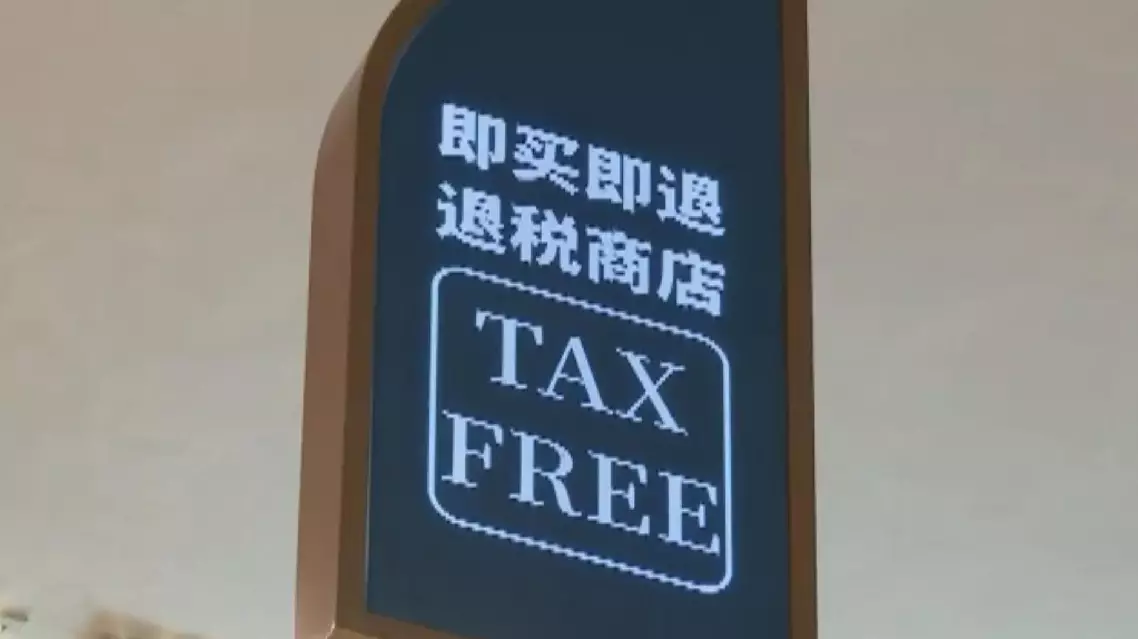
China introduced new measures to optimize its departure tax refund policy in late April, including lowering the minimum purchase threshold for refunds, expanding the network of participating stores, and widening the range of products available.

The country's first self-service tax refund machine has recently debuted in Nanjing Road, Shanghai's bustling commercial thoroughfare. By instantly recognizing passport information and generating tax refund application forms through scanning invoice QR codes, it not only enhances the convenience of tax refunds for foreign tourists, but also significantly alleviates the processing pressure during peak hours at the mall.

The convenience of services has led more foreign tourists to choose to claim tax refunds inside the shopping mall. This shopping mall has already completed 3,000 departure tax refunds this year, doubling compared to the previous year.

In addition, southwest China's Sichuan Province has added 17 more "Buy Now, Refund Now" stores, bringing the total number to 66.

"There are two methods for tax refunds: cash or bank cards. Most foreign tourists prefer cash refunds because after receiving the cash, they can continue shopping at cultural and creative shops in our mall, buying unique cultural and creative gifts with traditional Chinese characteristics," said Peng Ling, a staff member processing departure tax refunds at Parkson Shopping Center (Sichuan Times Shop).

Meanwhile, Guangzhou City of south China's Guangdong Province has introduced the service of "in-store tax refund merchant" for overseas travelers.

Foreign tourists can now conveniently complete the whole process of tax refund in-store instantly after purchasing their desired items, eliminating the need to visit other locations. They can simply use their personal phones to upload relevant information and documents to instantly claim value-added tax rebates at tax-free stores. In the next phase, the Ministry of Commerce will work with relevant departments to accelerate efforts in expanding the number of departure tax refund stores, enrich the supply of related goods and improve related services to enhance the shopping experience for international visitors and further boost inbound consumption.

"[We will] guide regions that have not yet implemented the departure tax refund policy to start related work as soon as possible to build from nothing. Additionally, [we will] establish a comprehensive tax refund information service platform to provide international visitors with one-stop services, including tax refund store inquiries and tax refund policy consultations," said Yang Nie, deputy director of the Department of Market Operation and Consumption Promotion at the Ministry of Commerce.
China's instant tax refund policies fuels inbound consumption

China's instant tax refund policies fuels inbound consumption

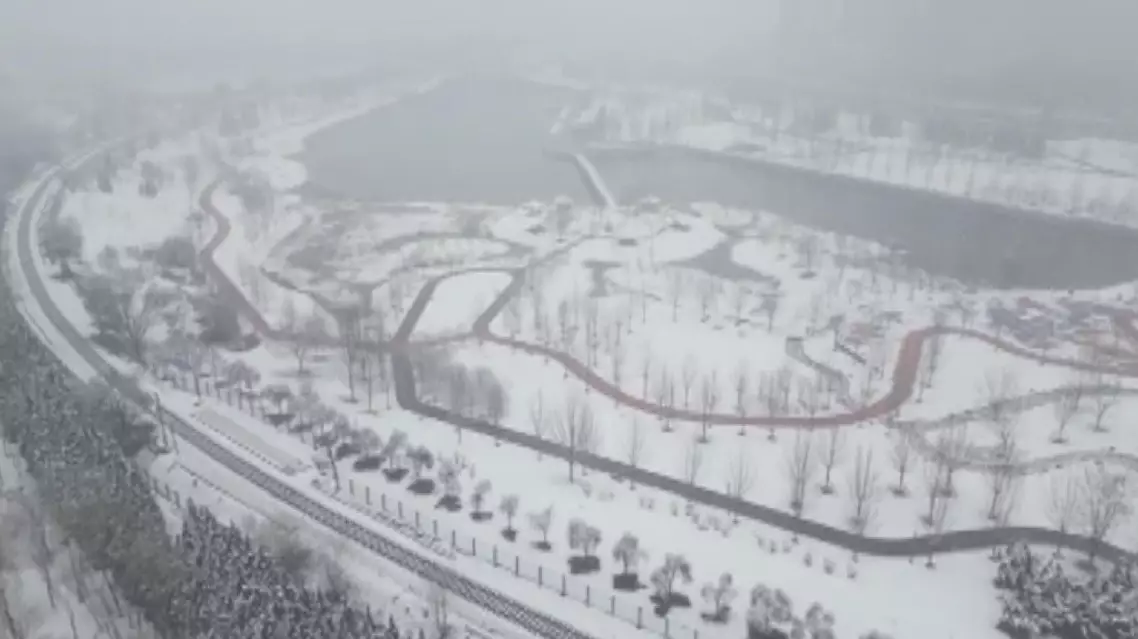
A cold front has brought snowfall and freezing temperatures across many parts of China, disrupting transportation and prompting emergency responses. On Sunday morning, many places in Handan City of north China's Hebei Province have experienced snowfall.

The province on Sunday activated a Level-IV emergency response for major meteorological disasters in preparation for incoming heavy snowfall.

According to the provincial meteorological observatory, heavy snow is forecast to hit areas including Shijiazhuang, Cangzhou and Hengshui from day to night on Sunday. Some regions may experience blizzard conditions.

Forecasters warn that the severe weather will disrupt transportation, urban services, and greenhouse agriculture.

Local authorities have been urged to closely monitor weather conditions, enhance risk assessment, and eliminate potential safety hazards.

China has a four-tier emergency response system, with Level I being the most severe response.

Starting early Sunday morning, a new round of snowfall began in areas such as Qingyang City and Dingxi City in northwest China's Gansu Province.

In order to ensure smooth traffic and people's normal life and production, local departments have made coordinated efforts to clear snow from roads.

Local traffic police have also increased presence at key areas to direct traffic and ensure timely response to emergencies.

In addition, widespread snowfall affected the northern parts of northwest China's Xinjiang Uygur Autonomous Region, posing challenges to urban transportation and railway operations.

Traffic police and city departments are mobilizing to clear roads and ensure safe travel for residents.

Railway authorities also implemented pre-arranged snow-response plans, using equipment such as wind-powered snow blowers and de-icing equipment to clear key sections of track and prevent switches from freezing.

The current round of snowfall in the northern parts of Xinjiang is expected to end on March 2. Some areas in east China's Shandong Province also experienced heavy snow on Sunday. At 11:00, the provincial weather service issued yellow warnings for icy roads.

At the Mount Tai scenic area in Tai'an City, the weather transitioned from a mix of rain and snow to snowfall during the day. As of 15:00 on Sunday, the average precipitation had reached 18.9 millimeters, with the snowfall still ongoing. To ensure the safety of visitors, the scenic area has decided to suspend all access routes starting from 16:00. On Sunday morning, cold air prompted snowfall in many places of north China's Shanxi Province. The Shanxi Provincial Meteorological Observatory issued a yellow alert for blizzard, covering areas such as Jinzhong City, Linfen City, and Yuncheng City.

Icy road conditions led to temporary traffic restrictions on several highway sections.

Local authorities promptly activated emergency response plans, deploying crews for snow removal and traffic control.

Snowfall hits many parts of China, affecting transportation

Snowfall hits many parts of China, affecting transportation

Recommended Articles