Skip to Content Facebook Feature Image

China extends full tariff-free access to boost trade with Africa, LDCs

China

China

China

China extends full tariff-free access to boost trade with Africa, LDCs

2025-05-21 17:26 Last Updated At:19:47

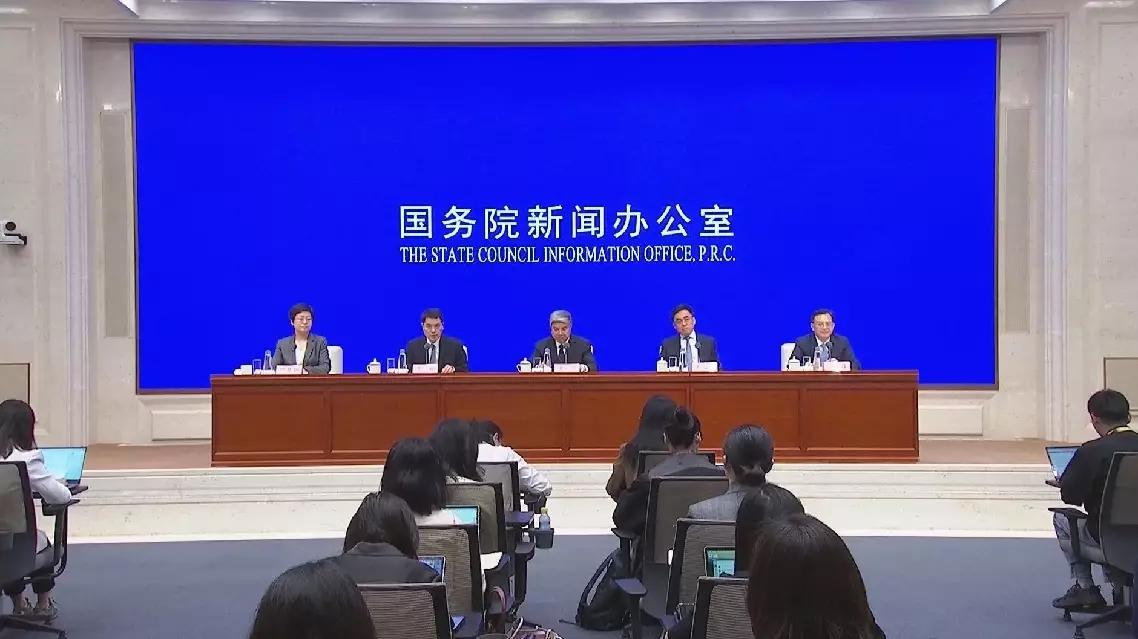
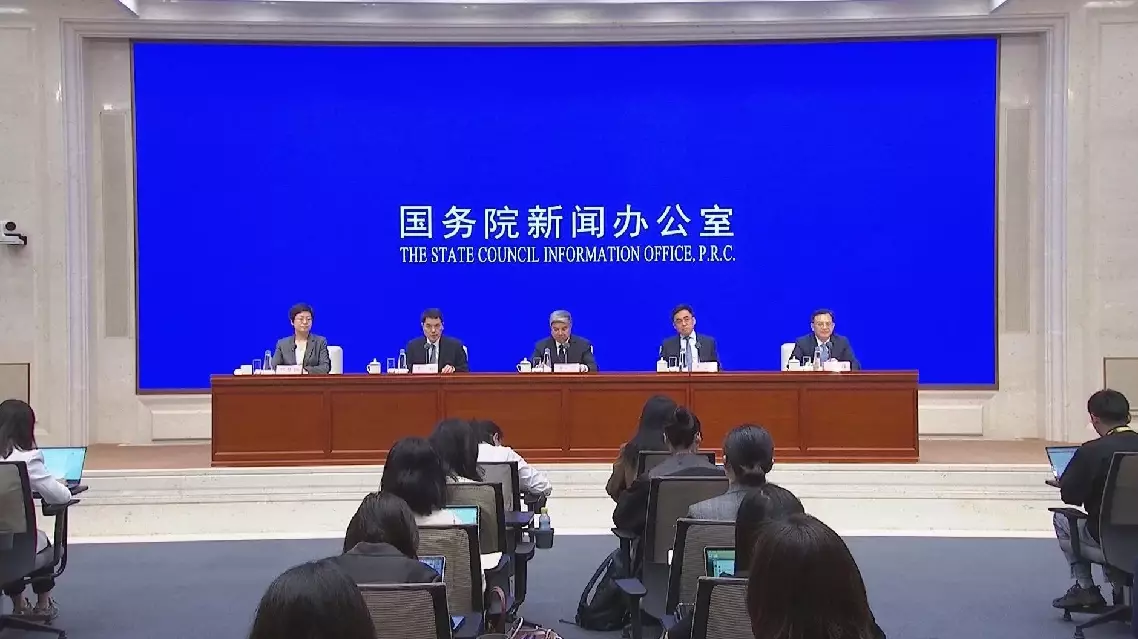
An official from the Ministry of Commerce on Wednesday announced China's continued support for 33 African nations and other least developed countries (LDCs) with diplomatic ties, helping them fully utilize zero-tariff treatment for all tariff lines.

The zero-tariff treatment, a voluntary and unilateral move to open its market wider and share its opportunities with LDCs, was announced by Chinese President Xi Jinping at the opening ceremony of the 2024 Summit of the Forum on China-Africa Cooperation (FOCAC).

"From December 1st last year when the zero-tariff treatment was launched, to March this year, China's imports from Africa's least developed countries reached 21.42 billion U.S. dollars, marking a 15.2 percent year-on-year increase," said Shen Xiang, director of the West Asia and Africa Department under the Ministry of Commerce.

Since the conclusion of the FOCAC 2024 summit, the number of African agricultural products allowed entry to the Chinese market has increased significantly. A total of 22 products from 18 African countries, such as soybeans from Zambia and peanuts from Nigeria, are now eligible for export to China, according to Shen.

China has also taken special measures including setting up a designated area at the 7th China International Import Expo (CIIE) to highlight African products and better conduct domestic buyers with African companies, a move that has effectively boosted the popularity of various African agricultural products in China.

Propelled by the zero-tariff treatment, China's imports of African coffee surged by 70.4 percent in the first quarter of 2025 alone, while cocoa bean imports grew by 56.8 percent.

Opening the Chinese market has significantly helped many African country's domestic development. Since Rwanda's dried chili peppers entered China in 2021, pepper has become a key export product for the country, bringing benefits to thousands of pepper farmers.

"We will continue to support the LDCs, particularly those in Africa, in fully utilizing this preferential policy, expanding the scale and variety of exports to China, and enjoying development opportunities provided by China's big market. This will also provide Chinese consumers and businesses with more affordable and high-quality options," Shen said.
China extends full tariff-free access to boost trade with Africa, LDCs
China extends full tariff-free access to boost trade with Africa, LDCs
China extends full tariff-free access to boost trade with Africa, LDCs
China extends full tariff-free access to boost trade with Africa, LDCs
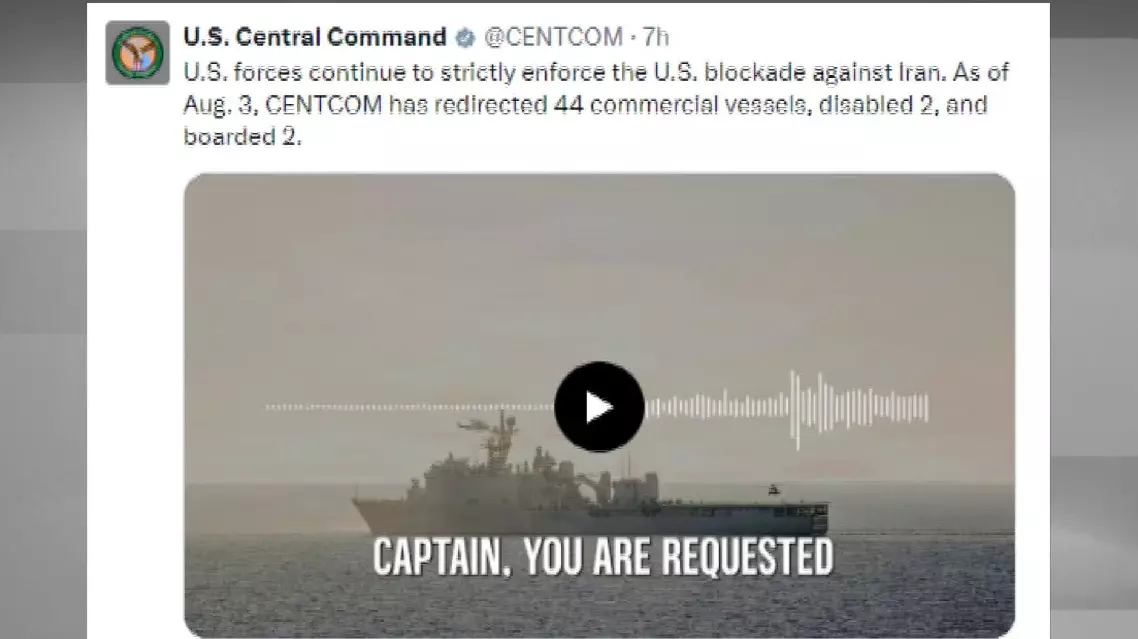
The U.S. Central Command (CENTCOM) said on Monday that its ongoing maritime blockade against Iran has redirected 44 commercial vessels, while a top Iranian military advisor warned that Iran will not tolerate any U.S. attempt to establish shipping lanes other than those designated by Iran in the Strait of Hormuz.

In a post on social media platform X, the command said that U.S. forces continue to strictly enforce the U.S. blockade against Iran. As of Monday, CENTCOM has redirected 44 commercial vessels, disabled two, and boarded two, it said.

On the same day, Mohsen Rezaei, military advisor to Iran's Supreme Leader, issued a firm warning over U.S. actions in the key shipping chokepoint.

Rezaei told media that Iran will never allow the United States to establish shipping routes outside those designated by Iran in the Strait of Hormuz. He warned that even U.S. warships deployed along such routes would be treated as targets.

Rezaei stressed that while Iran does not seek war, its armed forces are fully prepared and ready to fight for the country. He called on the United States to change its behavior and comply with the terms of the memorandum of understanding (MoU) signed between the two countries in June, cautioning that otherwise U.S. warships would face serious danger and Iran's armed forces would not stand by.

Separately, Rezaei revealed that Iran had previously prepared to carry out strikes on three locations in Ukraine but called off the plan after Ukraine issued an apology.

The planned retaliation followed a Ukrainian strike on an Iranian commercial vessel in the Caspian Sea on July 25, which killed one sailor and wounded three others.

On June 18, Iran and the United States signed the MoU, under which the two countries were scheduled to hold negotiations within a 60-day period to reach a final agreement. However, the talks' fate is hanging in the balance due to the recent escalation between the two sides.

The U.S. military launched multiple waves of strikes against Iranian targets last month, saying they were in response to Iranian attacks on vessels in the Strait of Hormuz and aimed at "degrading Iran's ability to threaten commercial shipping." Iran responded with missile and drone attacks targeting U.S. military bases and facilities in the region.

U.S. says 44 commercial ships redirected under blockade, Iran warns on Hormuz routes

U.S. says 44 commercial ships redirected under blockade, Iran warns on Hormuz routes

Recommended Articles