China still boasts palpable advantages in terms of manufacturing sector, so investing in the future means to stay committed to the Chinese market, according to a Danish business leader
Chinese President Xi Jinping has recently replied to a letter from the founder of the Danish Chamber of Commerce in China, encouraging the chamber and its member enterprises to make new contributions to enhancing China-Denmark and China-Europe friendship and deepening mutually beneficial cooperation.
This year marks the 75th anniversary of the establishment of diplomatic relations between China and Denmark.
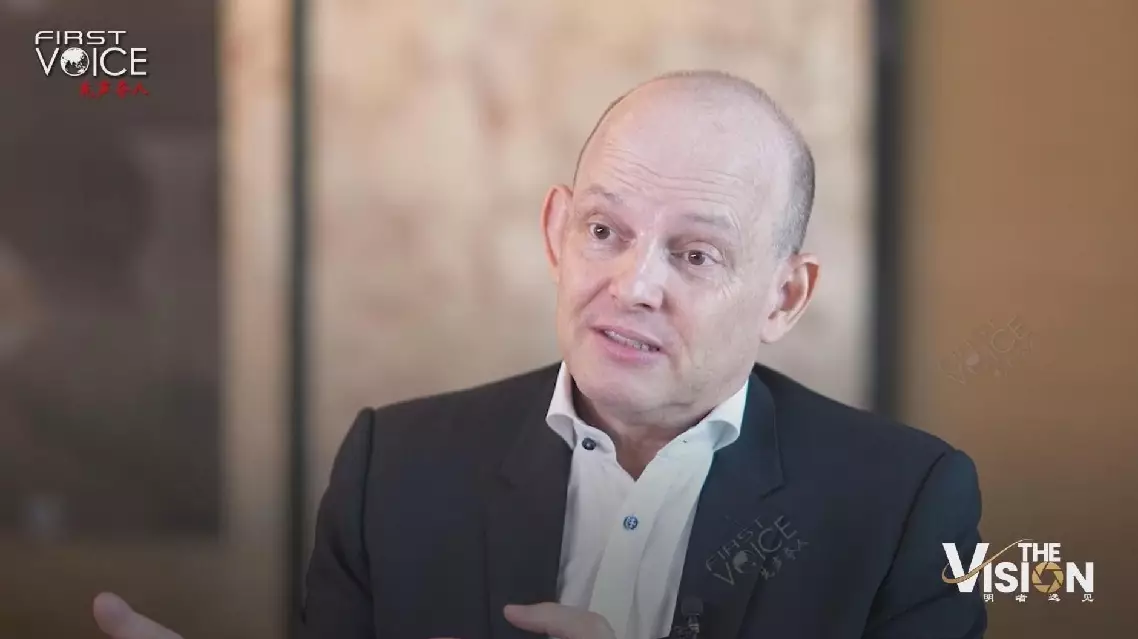
In an interview with China Global Television Network (CGTN), Simon Lichtenberg, national board member of the Danish Chamber of Commerce in China, said Danish firms are benefiting from the sound relationship between the two countries.
"Denmark and China have been good friends for many years, and Denmark was the second Western country to recognize China, the People's Republic of China. So that's why we are having the 75th anniversary. And I think that overall, the relationship is good, and a lot of Danish companies are doing great business here. And they are very confident, and they are expanding the investment. Mostly it's for China, in China, for China. So, it's developing products for the Chinese market," he said.
The Danish business leader compared other countries with China and came to the conclusion that China still boasts marked advantages in manufacturing.
"Investing in the future in my understanding is that you kind of have to be in China. Our company is highly dependent on export to the U.S. made in China. So, what we have been forced to do is to set up a factory in Vietnam and one in Mexico. It's a great place to manufacture, but that being said, the supply chain is not the same as in China. The efficiency is not the same. The labor cost is about half, but efficiency is less and the cost of the materials is higher. So overall, the cost out of Vietnam is about 12 [to] 15 percent higher than China," said Lichtenberg.
Regarding the U.S. attempt of onshoring its manufacturing sector, he said it doesn't work for the country to hit the target by levying additional tariffs.
"The places, first of all, there's no skilled workers for our business in the U.S. Other than that, a lot of materials for the current manufacturers in the U.S. come from China. So, adding tariffs to get manufacturing back to the U.S. is not really working. It kind of works, of course, it depends on the industry right? But in our industry, it doesn't work at all. Free trade and globalization is moving backwards, in my opinion," he said.
China still boasts advantages in manufacturing sector: Danish business leader