LONDON (AP) — The governments of Britain and Mauritius signed a deal to settle the future of the Chagos Islands, the contested archipelago in the middle of the Indian Ocean, after overcoming last-minute legal hurdles Thursday.
The deal will transfer sovereignty of the Chagos Islands from the U.K. to Mauritius — though Britain will retain control of the largest of the chain of islands, Diego Garcia, which hosts a strategically important American naval and bomber base.
The two countries reached an initial agreement in October, but it was put on hold after Britain said it had to wait for the approval of U.S. President Donald Trump. The deal also became stuck after a change of government in Mauritius, amid quarrels over how much money the U.K. should pay for the lease of Diego Garcia. The U.S. pays Britain an unspecified amount to operate the base.
Here's what to know about the disputed islands.
The remote chain of more than 60 islands is located in the middle of the Indian Ocean off the tip of India, south of the Maldives.
The Chagos Islands have been under British control since 1814, when they were ceded by France.
The archipelago is best known for the military base on Diego Garcia, which has supported U.S. military operations from Vietnam to Iraq and Afghanistan. In 2008, the U.S. acknowledged it also had been used for clandestine rendition flights of terror suspects.
Britain split the Chagos Islands away from Mauritius, a former British colony, in 1965, three years before Mauritius gained independence, and called the Chagos archipelago the British Indian Ocean Territory.
The U.S. has described the base, which is home to about 2,500 mostly American personnel, as “an all but indispensable platform” for security operations in the Middle East, South Asia and East Africa.
Most recently, the U.S. deployed several nuclear-capable B-2 Spirit bombers to Diego Garcia amid an intense airstrike campaign targeting Yemen’s Houthi rebels.
In the 1960s and 1970s Britain evicted as many as 2,000 people from the islands so the U.S. military could build the Diego Garcia base.
In recent years criticism grew over Britain's control of the archipelago and the way it forcibly displaced the local population.
The United Nations and the International Court of Justice have both urged Britain to end its “colonial administration” of the islands and transfer their sovereignty to Mauritius.
Negotiations on handing the islands to Mauritius began in 2022 under the U.K.'s previous Conservative government and resumed after Prime Minister Keir Starmer’s Labour Party was elected in July.
In October Britain's government announced that it was finalizing details of a treaty to hand sovereignty of the islands to Mauritius, with the exception of Diego Garcia, which will remain under British control.
The deal was hailed by then-U.S. President Joe Biden as a “historic agreement” that secured the future of the Diego Garcia base. But Britain's opposition Conservatives slammed the government for surrendering control of the territory, saying that the decision exposed the U.K. and its allies to security threats. Last year the now-Secretary of State Marco Rubio also said it posed “a serious threat” to U.S. national security.
In the beginning of this year Britain’s government confirmed that the Trump administration was reviewing a renegotiated deal. In February, Trump suggested he was in favor of the agreement when he met Starmer in Washington.
Meanwhile voters in Mauritius ousted the government that made the deal, and new Prime Minister Navin Ramgoolam backed away from it, citing financial concerns.
Ramgoolam suggested that the initial deal — which would reportedly see the U.K. pay 90 million pounds ($116 million) a year to Mauritius for the continued operation of the Diego Garcia military base — was a “sellout."
The U.K. government said Thursday a final deal was signed after a court injunction stopping the handover was lifted. Officials said Britain will pay Mauritius 101 million pounds ($136 million) per year to lease back the base for at least 99 years.
The deal must be approved by Britain's Parliament.
An estimated 10,000 displaced Chagossians and their descendants now live primarily in Britain, Mauritius and the Seychelles. Many of them want to return to the islands, and some have fought unsuccessfully in U.K. courts for many years for the right to go home.
Chagossians say they were left out of the political negotiations, which have left them unclear on whether they and their descendants could ever be allowed to return to their homeland.
Human Rights Watch has said that Britain's forced displacement of the Chagossians and ongoing refusal to let them go home “amount to crimes against humanity committed by a colonial power against an Indigenous people.”
Two Chagossian women, Bernadette Dugasse and Bertrice Pompe, who challenged the handover deal in the British courts, argued it will become even harder to return once Mauritius takes control of the islands.
The draft deal stated a resettlement fund would be created for displaced islanders to help them move back to the islands, apart from Diego Garcia. But details of how that will work remain sketchy.
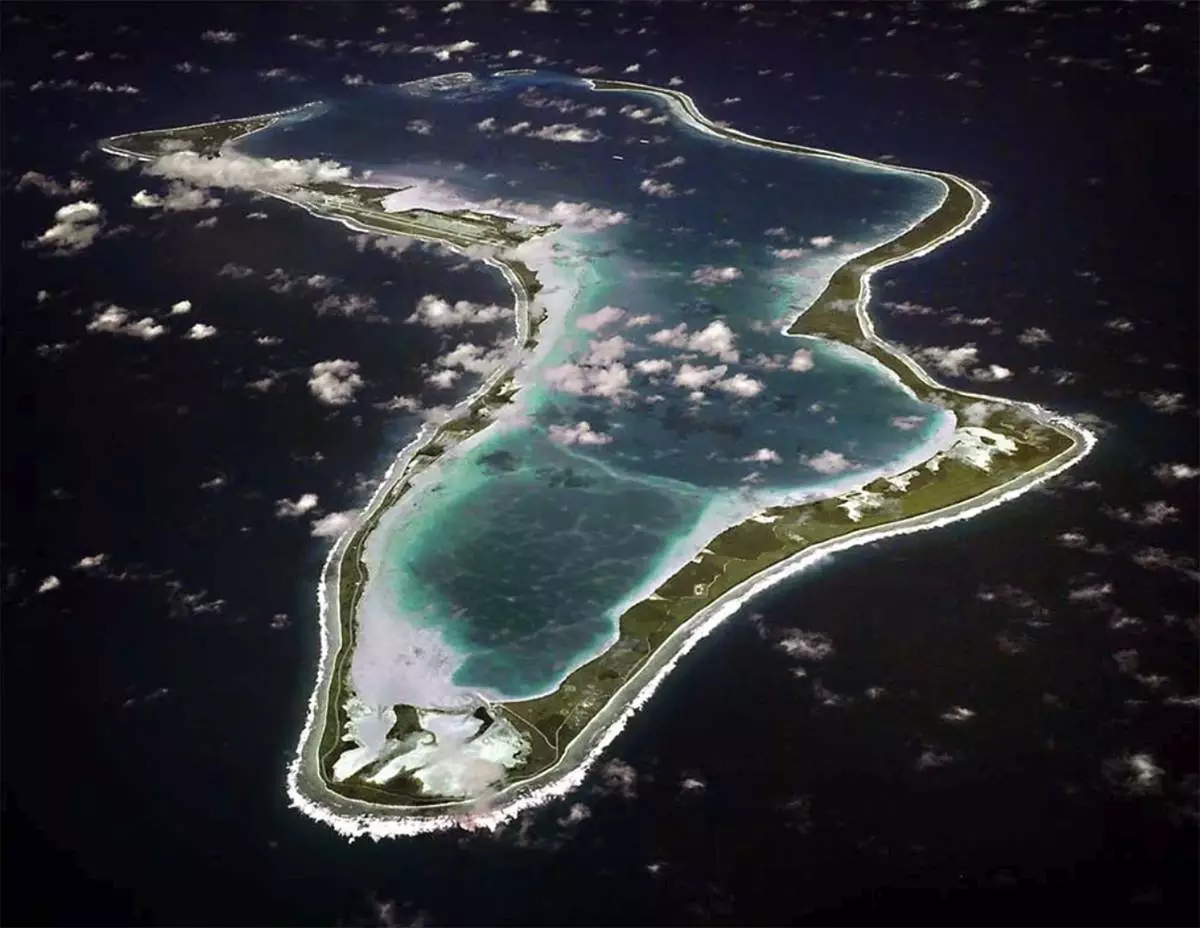
FILE - This image realeased by the U.S. Navy shows an aerial view of Diego Garcia. (U.S. Navy via AP, File)
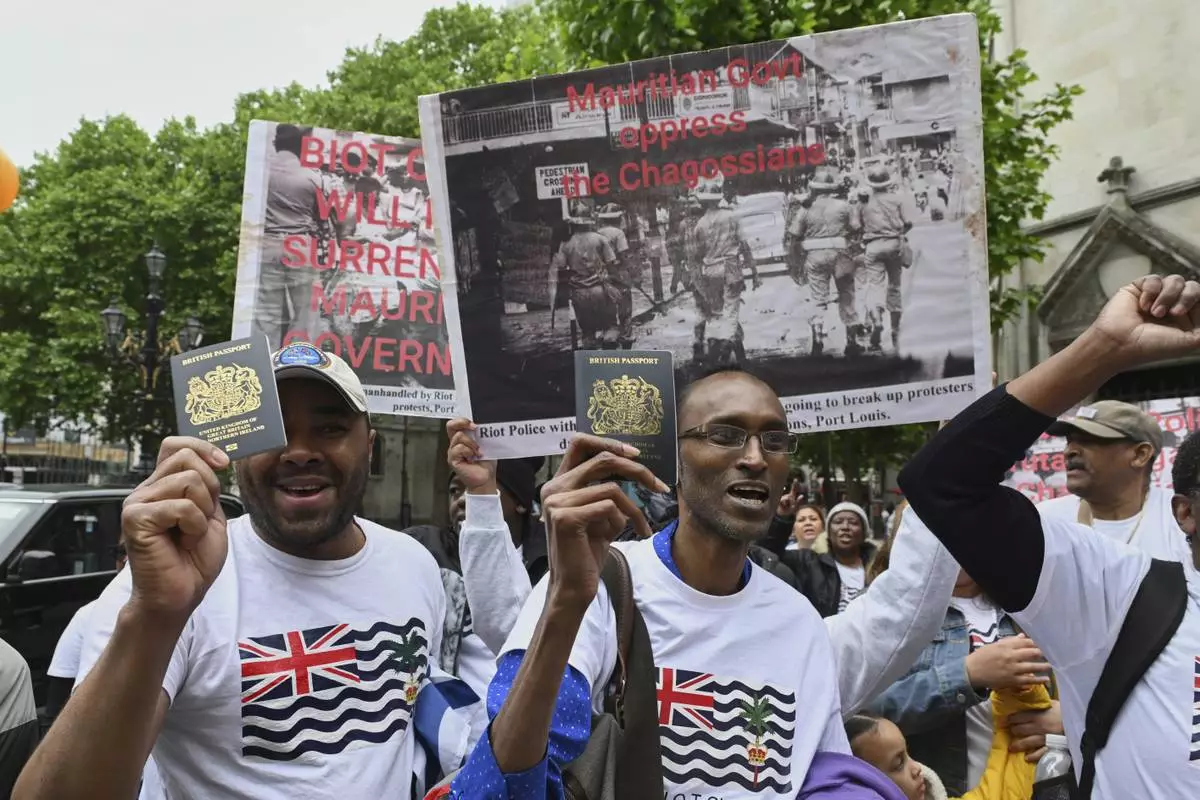
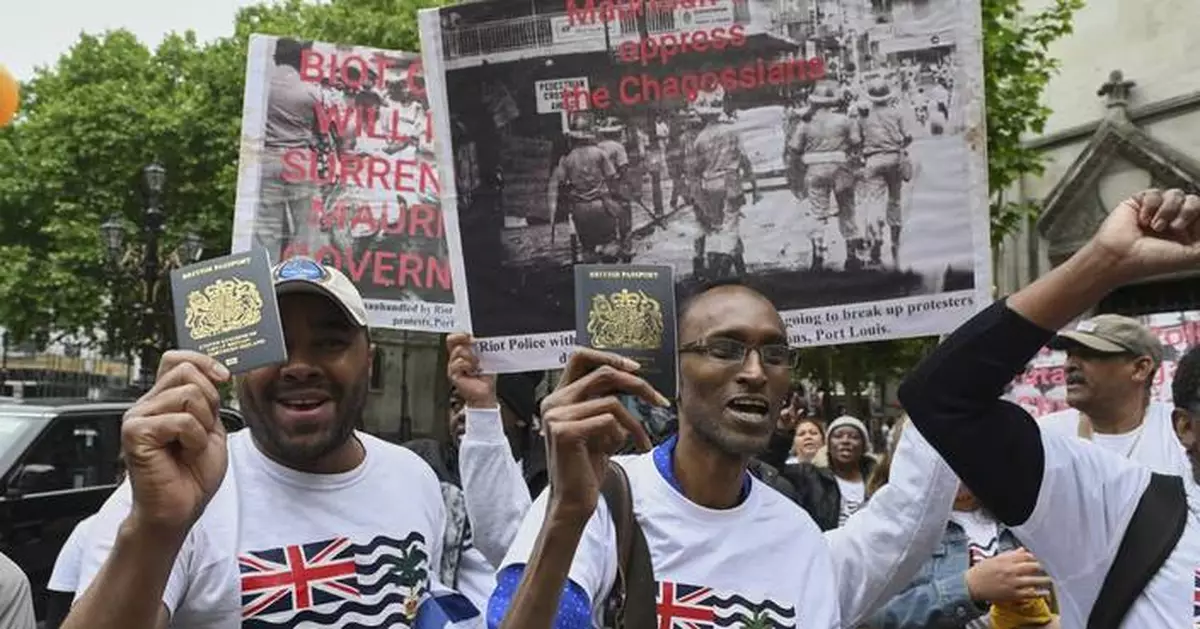
People demonstrate outside the High Court in London, Thursday, May 22, 2025, after a British court blocked the U.K. from transferring sovereignty over the Chagos Islands to Mauritius hours before the agreement was due to be signed. (AP Photo/Thomas Krych)