SCARBOROUGH, Maine (AP) — An unusual May nor'easter soaked New England on Thursday and threatened to bring snow to higher elevations as the states prepared for the Memorial Day holiday weekend.
Nor'easters usually arrive in the end of fall and winter and bring high winds, rough seas and precipitation in the form of rain or snow. This week's nor'easter could bring wind gusts over 40 mph (64 kph) and more than 2 inches (5 centimeters) of rain in some areas. Forecasters said snow was possible in the mountains of Maine and New Hampshire.
Click to Gallery

As rain from a nor'easter falls on the pavement, a flock of Canada geese traverse through a parking lot, Thursday, May 22, 2025, in Londonderry, N.H. (AP Photo/Charles Krupa)

Bird watchers look out under dark skies at Kettle Cove State Park, Thursday, May 22, 2025, in Cape Elizabeth, Maine. (AP Photo/Patrick Whittle)

As rain from a nor'easter falls on the pavement, vehicles roll north on Route 93 during the start of the Memorial Day holiday travel, Thursday, May 22, 2025, in Londonderry, N.H. (AP Photo/Charles Krupa)
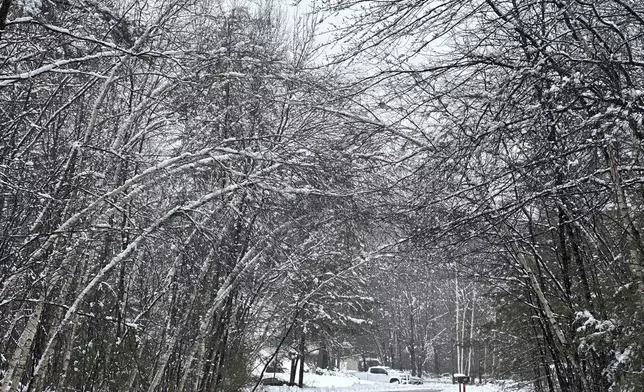
FILE - Snow weighs down trees in Concord, N.H., April 4, 2024. (AP Photo/Kathy McCormack, file)
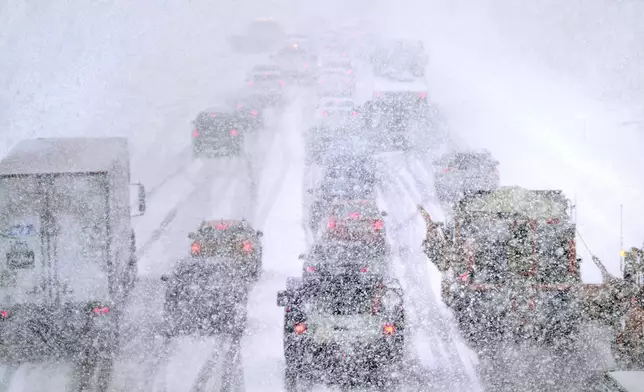
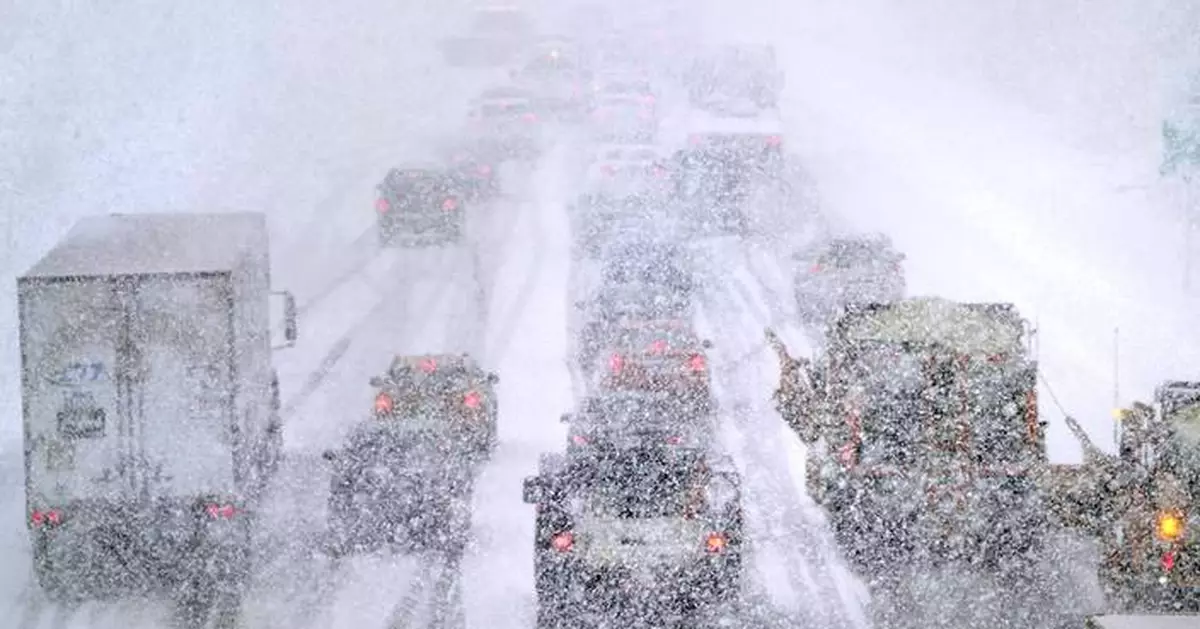
FILE - Plows, at right, try to pass nearly stopped traffic, due to weather conditions, on Route 93 South, March 14, 2023, in Londonderry, N.H. (AP Photo/Charles Krupa, file)
The storm brought dark skies to New England during a time of year usually reserved for sunshine and cookouts. It was also unseasonably cold, with temperatures below 50 degrees Fahrenheit (10 degrees Celsius) in Portland, Maine; Providence, Rhode Island; and Montpelier, Vermont. The storm was expected to linger into Friday.
A nor'easter is an East Coast storm that is so named because winds over the coastal area are typically from the northeast, according to the National Weather Service. The storms can happen at any time of the year, but they are at their most frequent and strongest between September and April, according to the service.
The storms have caused billions of dollars in damage in the past. They usually reach the height of their strength in New England and eastern Canada. The storms often disrupt traffic and power grids and can cause severe damage to homes and businesses.
“We have a stronger jet stream, which is helping intensify a low pressure system that just happens to be coming up the coast. And so that’s how it got the nor’easter name,” said Kyle Pederson, a meteorologist at the National Weather Service in Boston.
The storm hit Boston with heavy rains and stiff wind starting Thursday morning. Southern Massachusetts was also dealing with heavy rains that made for messy morning and evening commutes.
The heaviest rain was expected to fall in Rhode Island and southern and eastern Massachusetts, Pederson said. Localized nuisance flooding and difficult driving conditions were possible Thursday, but catastrophic flooding was not expected.
Providence was hit with wind and steady rains by midafternoon. Further north, in Cape Elizabeth, Maine, lobster boats shook on the water as high winds brought choppy seas.
More than 60 flights were canceled Thursday at Boston Logan International Airport, where there were also more than 300 delayed flights. The Massachusetts Bay Transportation Authority shut down three commuter ferries because of rough seas.
There were other cancellations and service disruptions in some coastal areas, including a shutdown of the Block Island Ferry because of adverse sea conditions.
Coastal flood advisories and gale warnings were issued for many coastal areas of New England and New York on Thursday.
The storm was then expected to pass, leaving light rain and patchy drizzle, on Friday.
“It's just really a nice dose of rain for the region — not expecting much for flooding,” Pederson said.
Snow was expected to be confined to mountainous areas, but accumulations there were possible.
Nor’easters are usually winter weather events, and it is unusual to see them in May. They typically form when there are large temperature differences from west to east during winter when there is cold air over land and the oceans are relatively warm.
But right now there is a traffic jam in the atmosphere because of an area of high pressure in the Canadian Arctic that is allowing unusually cold air to funnel down over the Northeast. The low pressure system off the East Coast is being fueled by a jet stream that is unusually south at the moment.
“It really is a kind of a winter-type setup that you rarely see this late,” said Judah Cohen, seasonal forecast director at the private firm Atmospheric and Environmental Research.
If this type of pattern in the atmosphere happened two months earlier, he said, “we’d be talking about a crippling snowstorm in the Northeastern U.S., not just a wet start to Memorial Day weekend.”
O'Malley reported from Philadelphia.
The Associated Press’ climate and environmental coverage receives financial support from multiple private foundations. AP is solely responsible for all content. Find AP’s standards for working with philanthropies, a list of supporters and funded coverage areas at AP.org.

As rain from a nor'easter falls on the pavement, a flock of Canada geese traverse through a parking lot, Thursday, May 22, 2025, in Londonderry, N.H. (AP Photo/Charles Krupa)
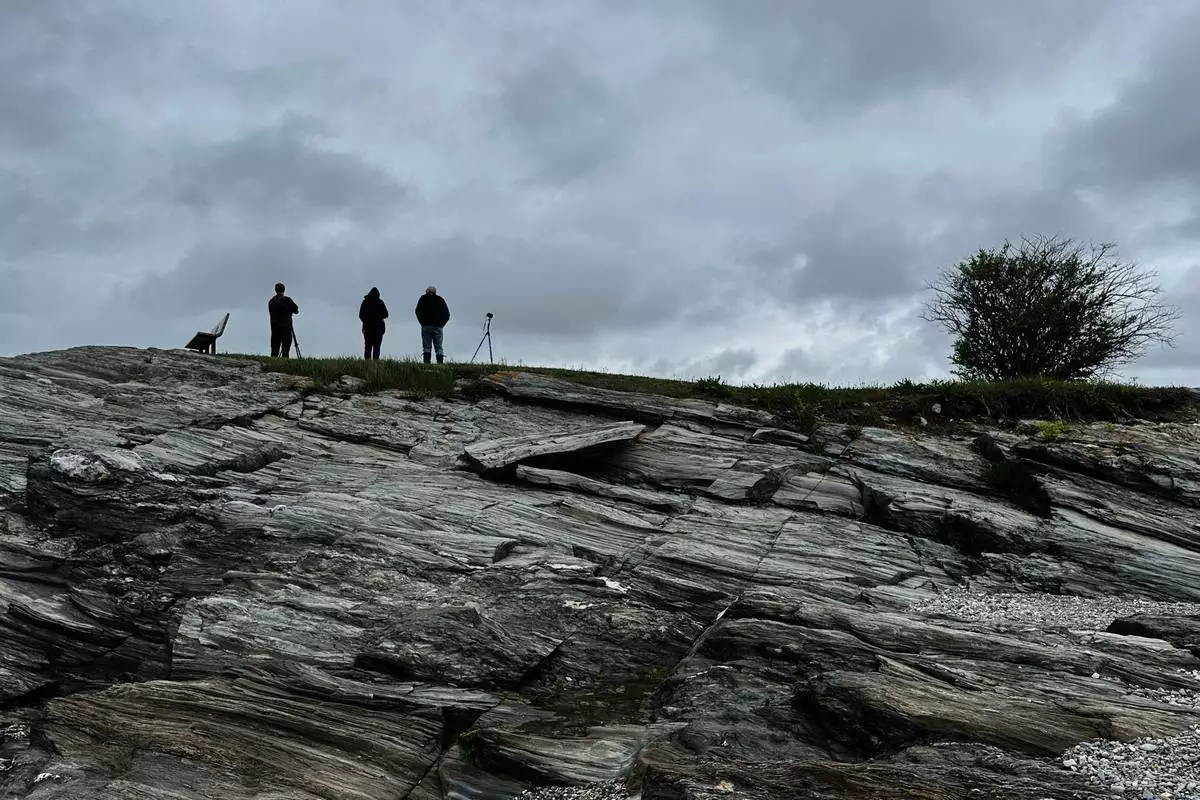
Bird watchers look out under dark skies at Kettle Cove State Park, Thursday, May 22, 2025, in Cape Elizabeth, Maine. (AP Photo/Patrick Whittle)
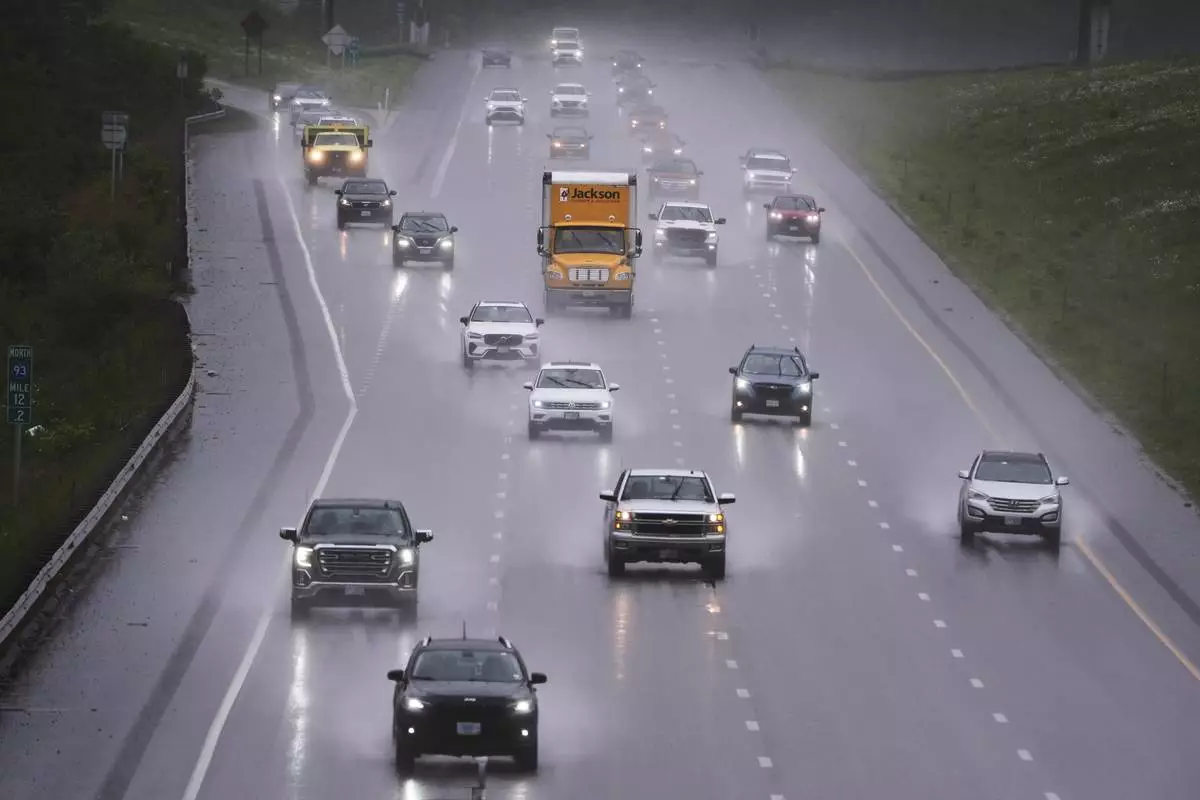
As rain from a nor'easter falls on the pavement, vehicles roll north on Route 93 during the start of the Memorial Day holiday travel, Thursday, May 22, 2025, in Londonderry, N.H. (AP Photo/Charles Krupa)
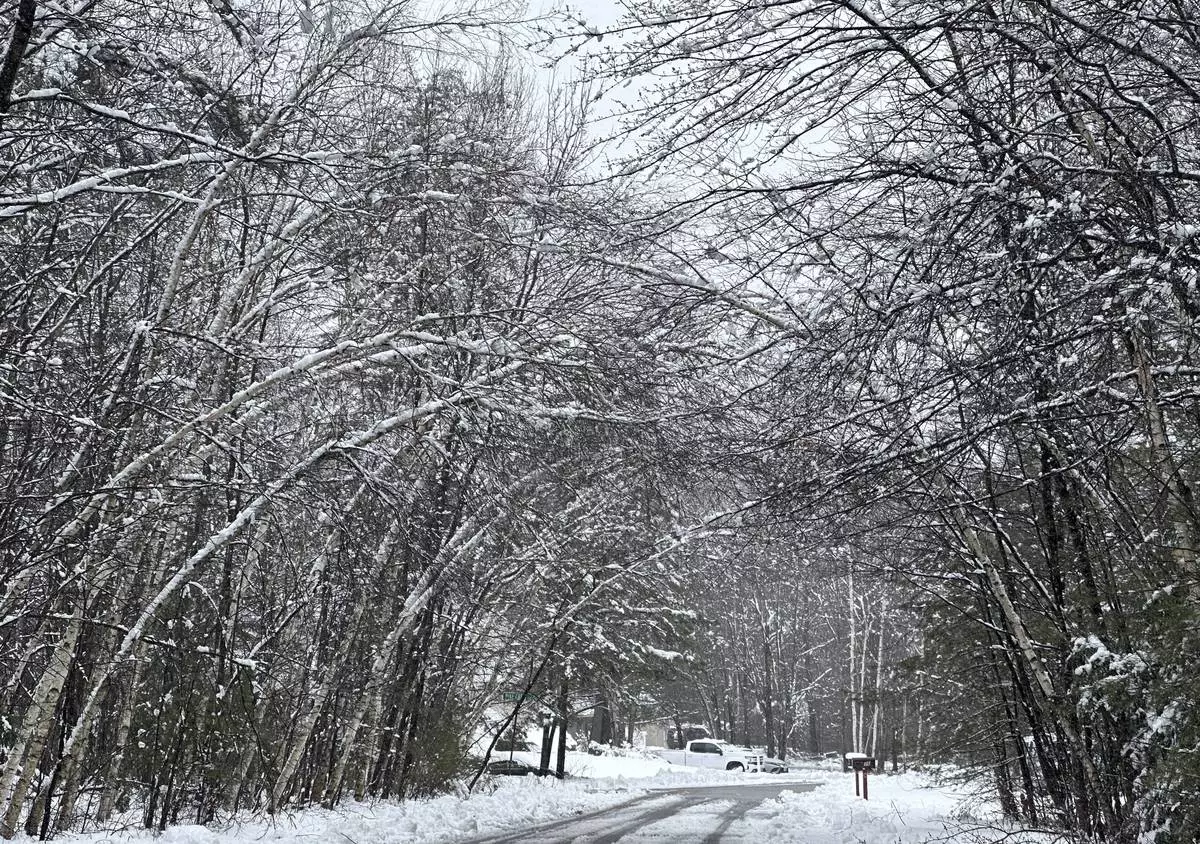
FILE - Snow weighs down trees in Concord, N.H., April 4, 2024. (AP Photo/Kathy McCormack, file)
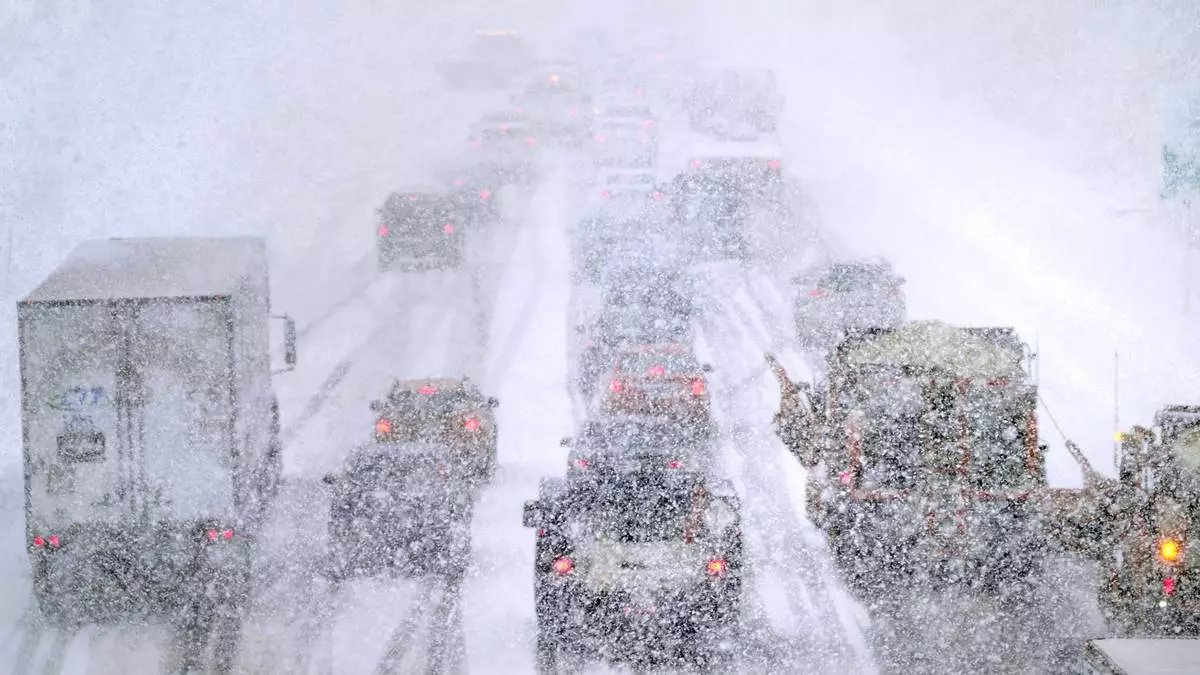
FILE - Plows, at right, try to pass nearly stopped traffic, due to weather conditions, on Route 93 South, March 14, 2023, in Londonderry, N.H. (AP Photo/Charles Krupa, file)