NAIROBI, Kenya (AP) — Two Kenyan men charged with facilitating the 2019 attack on a luxury hotel complex that left 21 people dead were found guilty on Thursday and will be sentenced next month.
Judge Diana Kavedza, while sitting a court in Kenya’s capital, Nairobi, ruled that the prosecution had proved that Hussein Mohamed Abdille Ali and Mohamed Abdi Ali sent money and helped acquire fake identification documents for the militants who died during the DusitD2 hotel complex attack.
Click to Gallery
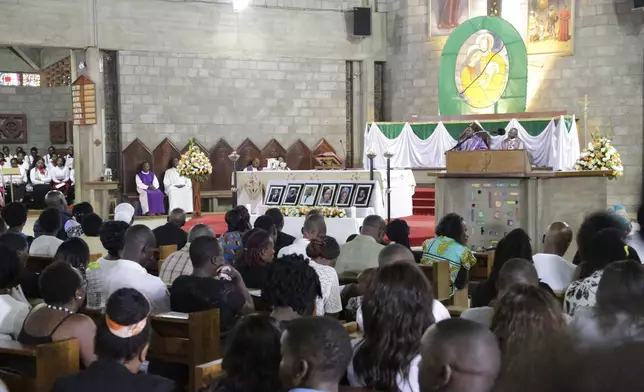
FILE - People attend the memorial service for the dusitD2 hotel staff, shown in the photographs from left, Zachary Nyambwaga, Derricks Lemisi, Erickson Momanyi, Trufosa Nyaboke, Bernadette Kanjalo and Beatrice Mutua at Consulate Shrine in Nairobi, Kenya, Jan. 23, 2019. (AP Photo/Khalil Senosi, file)
FILE - People attend the memorial service for the dusitD2 hotel staff, shown in the photographs from left, Zachary Nyambwaga, Derricks Lemisi, Erickson Momanyi, Trufosa Nyaboke, Bernadette Kanjalo and Beatrice Mutua at Consulate Shrine in Nairobi, Kenya, Jan. 23, 2019. (AP Photo/Khalil Senosi, file)
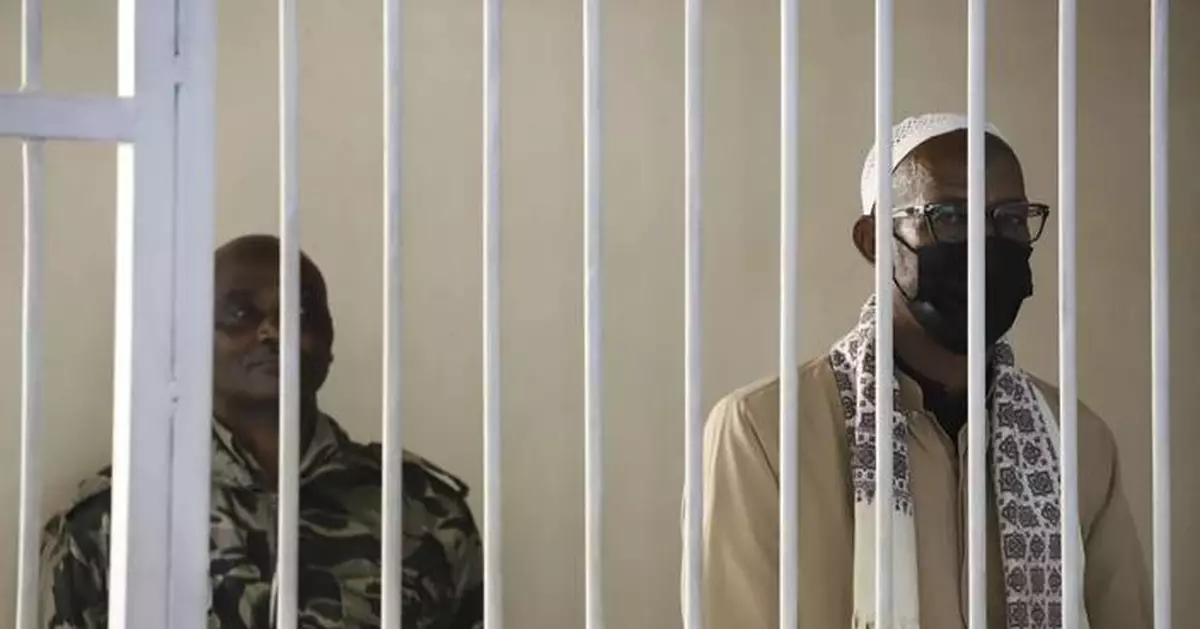
Hussein Mohamed Abdille Ali, sits in the dock at the Kahawa Law Courts, Nairobi, Kenya Thursday, May 22, 2025. (AP Photo/Andrew Kasuku)
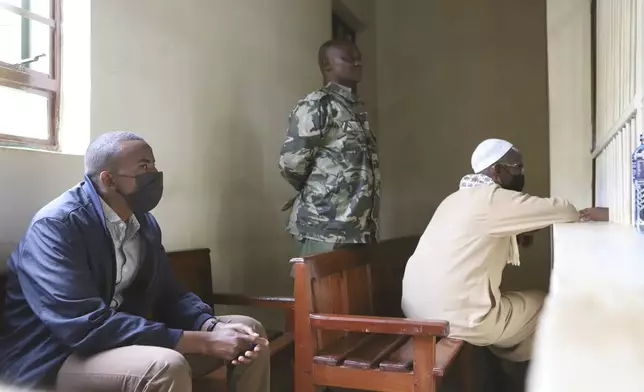
Hussein Mohamed Abdille Ali, left, and Mohammed Abdi Ali, right, sit in the dock at the Kahawa Law Courts, Nairobi, Kenya Thursday, May 22, 2025. (AP Photo/Andrew Kasuku)
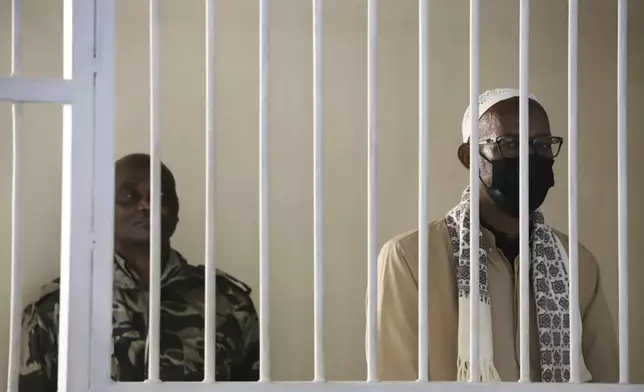
Mohammed Abdi Ali, right, stands in the dock at the Kahawa Law Courts, Nairobi, Kenya Thursday, May 22, 2025. (AP Photo/Andrew Kasuku)
Al-Qaida-linked militant group al-Shabab claimed responsibility for the attack, which occurred six years after 67 people were killed at Nairobi’s Westgate Shopping Mall and four years after 147 students died at Garissa University in the north of the country.
Based in neighboring Somalia, Al-Shabab have vowed retribution against Kenya for sending troops to Somalia to fight it since 2011, and continue to stage attacks in Somalia and Kenya.
Kenyan authorities said all five attackers died during the Dusit attack.
The prosecution presented 45 witnesses during the trial.
On Thursday, the judge ordered a probation report to be prepared within 21 days and set sentencing for June 19.
A third suspect, Mire Abdulahi, who had been charged alongside the two men had earlier pleaded guilty and was sentenced.
Foreign nationals, including an American and a Briton, were among those killed in the 2019 attack.
Follow AP’s Africa coverage at: https://apnews.com/hub/africa
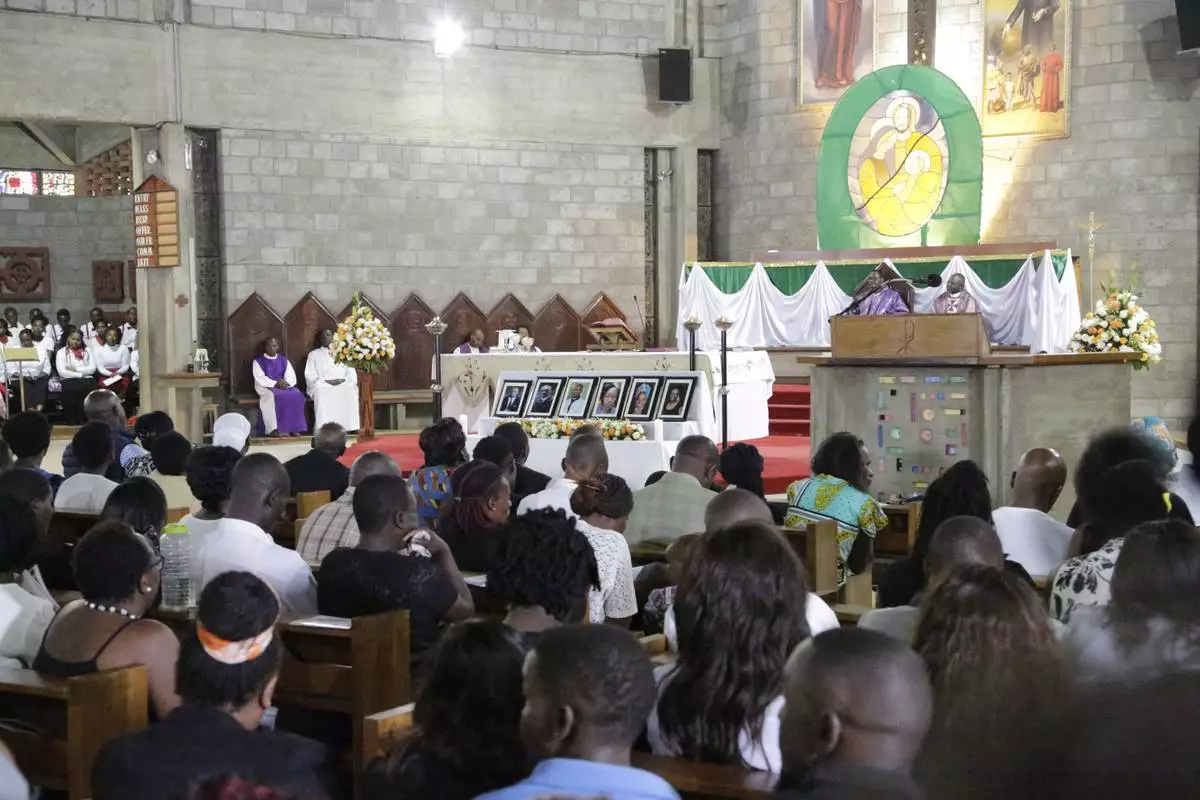
FILE - People attend the memorial service for the dusitD2 hotel staff, shown in the photographs from left, Zachary Nyambwaga, Derricks Lemisi, Erickson Momanyi, Trufosa Nyaboke, Bernadette Kanjalo and Beatrice Mutua at Consulate Shrine in Nairobi, Kenya, Jan. 23, 2019. (AP Photo/Khalil Senosi, file)
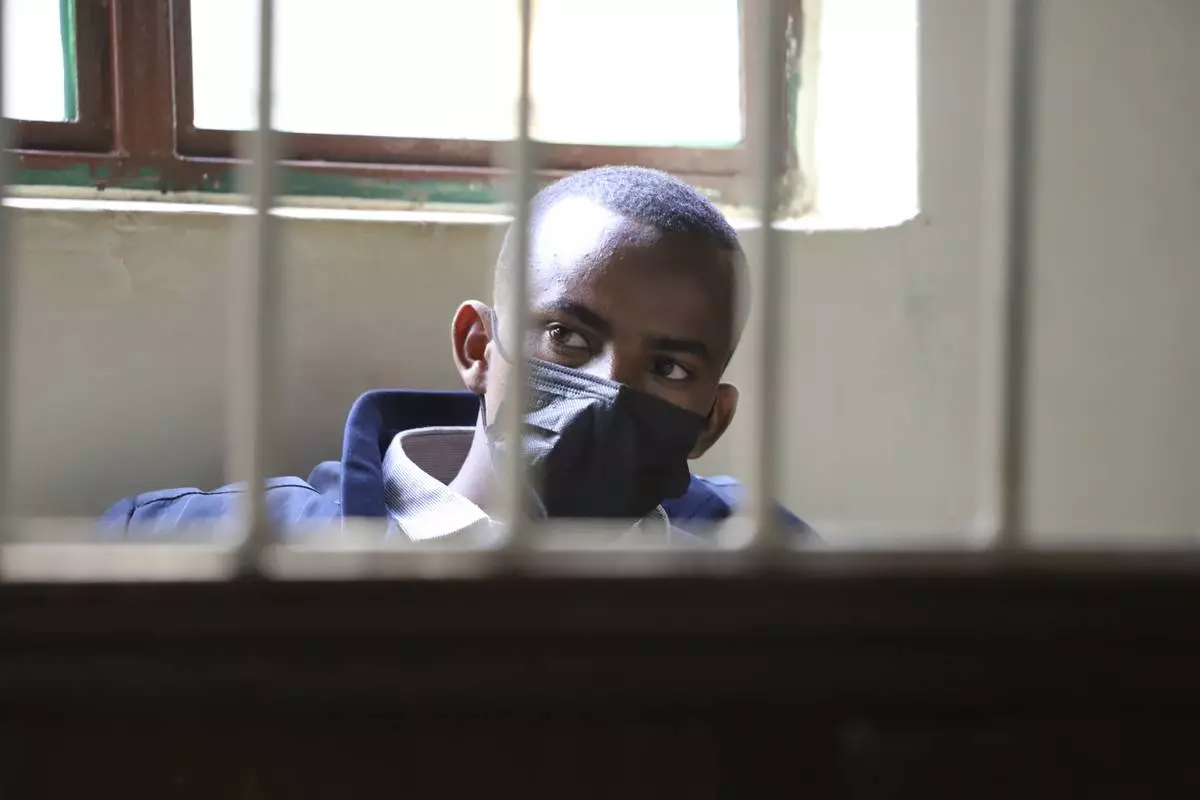
Hussein Mohamed Abdille Ali, sits in the dock at the Kahawa Law Courts, Nairobi, Kenya Thursday, May 22, 2025. (AP Photo/Andrew Kasuku)
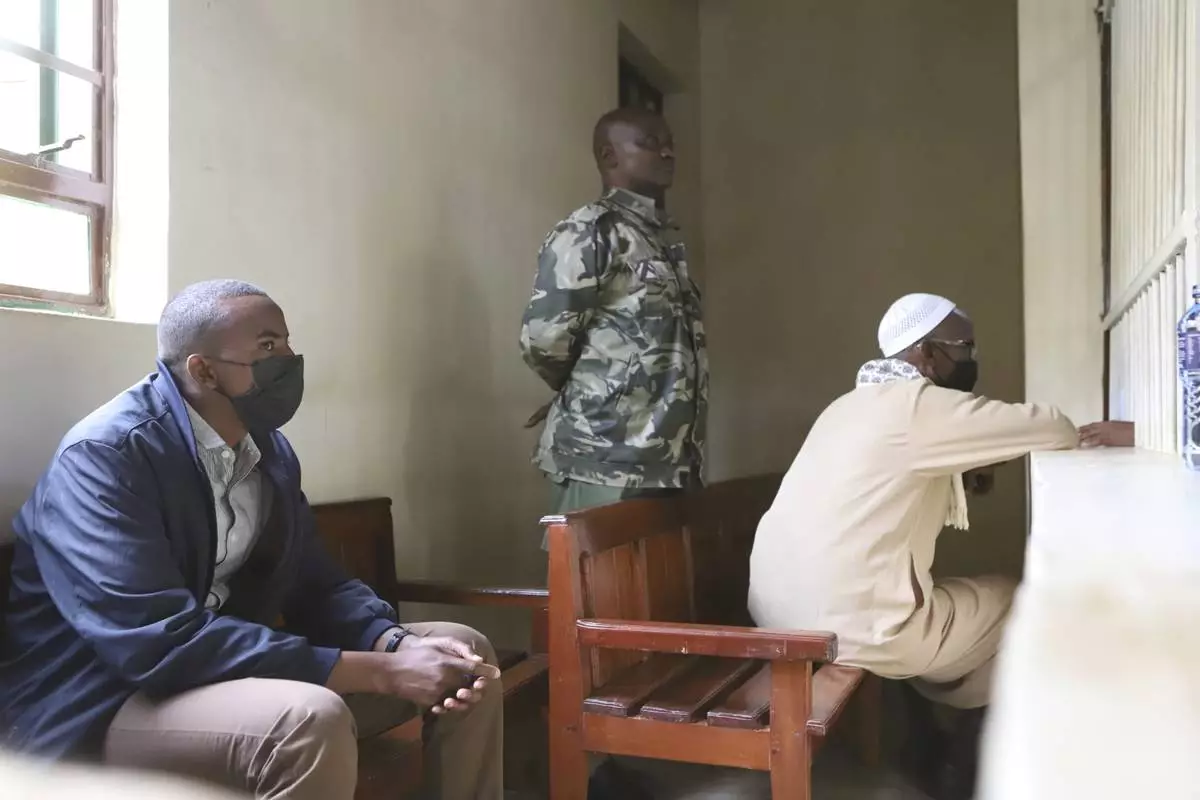
Hussein Mohamed Abdille Ali, left, and Mohammed Abdi Ali, right, sit in the dock at the Kahawa Law Courts, Nairobi, Kenya Thursday, May 22, 2025. (AP Photo/Andrew Kasuku)
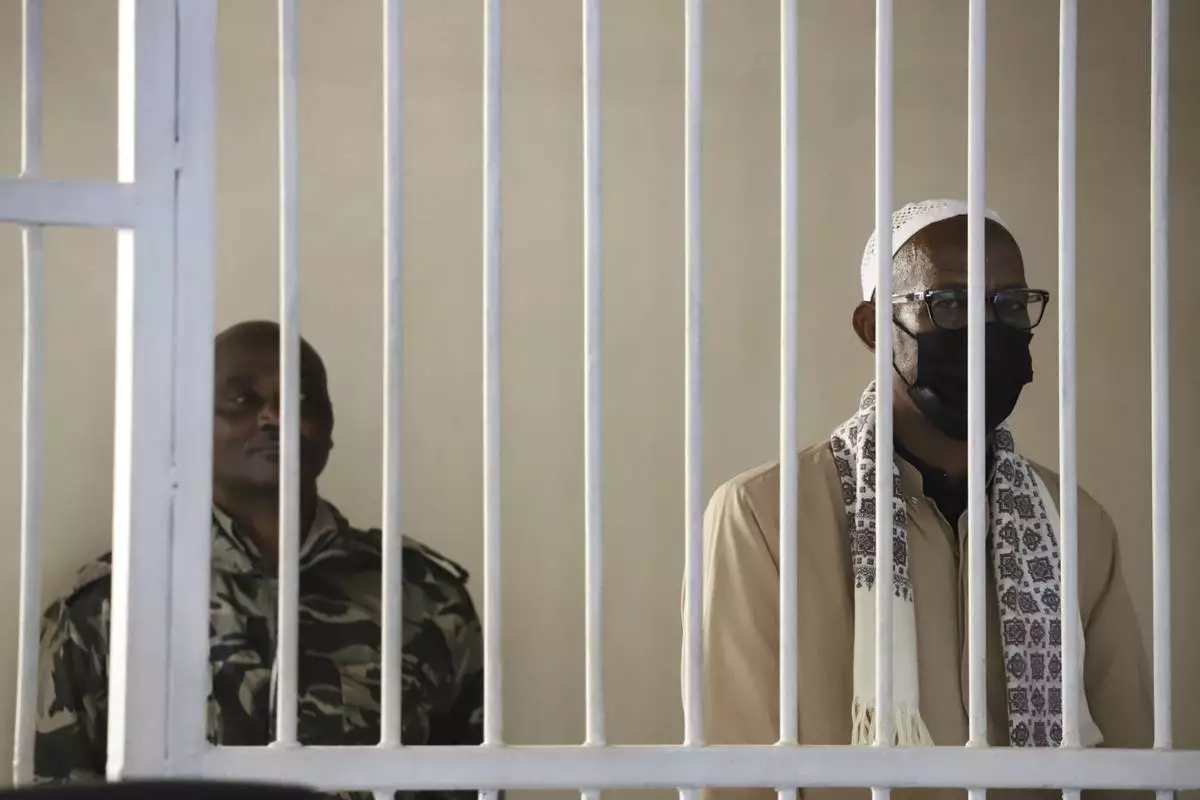
Mohammed Abdi Ali, right, stands in the dock at the Kahawa Law Courts, Nairobi, Kenya Thursday, May 22, 2025. (AP Photo/Andrew Kasuku)
TEL AVIV, Israel (AP) — Israel is “closely monitoring” the fallout from widespread Iranian protests, Prime Minister Benjamin Netanyahu said Sunday, as U.S. President Donald Trump’s threats to attack Iran could escalate the protests within the borders of the Islamic Republic into a regional war.
“The people of Israel, the entire world, are in awe of the tremendous heroism of the citizens of Iran,” Netanyahu said at the start of the weekly cabinet meeting. He condemned the killing of civilians and said he hoped to rebuild relations between Israel and Iran once the country was “freed from the yoke of tyranny.”
Netanyahu and U.S. Secretary of State Marco Rubio spoke overnight Saturday about a number of issues, including Iran, according to an Israeli official who spoke on the condition of anonymity because they were not authorized to speak to the media.
But Israel’s military said there are no new guidelines for civilians to stay close to bomb shelters due to concerns about an attack of Iranian missiles, as there have been in the past when there were concrete threats.
The Israeli military said the protests in Iran are an “internal Iranian matter,” but that the military “will be equipped to respond with power if need be.”
A former Israeli intelligence official said Israel is unlikely to instigate an attack against Iran, even though Israel could have an easy target as Iranian leadership is weakened and distracted by the protests roiling the country.
“From an Iranian standpoint, the last thing Iran wants to see is diverting their attention towards Israel,” said Danny Citrinowicz, who once headed research on Iran in one of the Israeli military's intelligence branches and is now a senior researcher with the Israeli defense think tank the Institute for National Security Studies.
“Their priority, first and foremost, is to retrieve the calmness and stability in Iran."
The current situation in Iran is so uncertain that Israel is likely to wait and see what will happen next, Citrinowicz said. He added that “neither side has an appetite” to start a new round of the 12-day war this past summer.
The war began with Israel targeting Iranian nuclear and military sites, saying it could not allow Tehran to develop atomic weapons and that it feared the Islamic Republic was close. Iran has long maintained that its program is peaceful.
Israeli strikes on Iran killed 1,190 people and wounded another 4,475, according to the U.S.-based Human Rights Activists News Agency. Iran’s missile barrages killed almost 30 people in Israel and wounded 1,000.
On Sunday, Iran’s parliament speaker warned the U.S. military and Israel would be “legitimate targets” if America strikes the Islamic Republic. Mohammad Bagher Qalibaf made the threat as lawmakers rushed the dais in the Iranian parliament, shouting: “Death to America!”
Trump, who has posted a number of times on social media about Iran over the weekend, has a history of following through on threats to attack. “Do not play games with President Trump. When he says he’ll do something, he means it,” the State Department warned on Saturday.
Citrinowicz said that an attack, either American or Israeli, could have the opposite impact on the protests, possibly even weakening the protests by fostering a sense of patriotism and uniting against a common enemy.
The U.S. both brokered the ceasefire and assisted Israel during the Israel-Iran war this past summer, by dropping bunker-buster bombs on multiple Iranian nuclear sites — a move that was crucial for Netanyahu to declare to the Israeli public that Israel had achieved its objectives against Iran’s nuclear program and accept Trump's truce.
“What Israel is really concerned with is ballistic missiles, and stuff like that, not what kind of regime is going to be in Iran,” said Menahem Merhavy, an expert on Iran from the Hebrew University of Jerusalem.
“Unless there’s something really dramatic happening with missiles, I don’t see Israel stepping into this."
And an Iranian attack against Israel would be “a suicide note for the regime,” Merhavy said, because there will be little outcry if Israel responds strongly against the Iranian leadership given the outcry over their hardhanded response to the protests. “There are few tears that will be shed if, say, Israel kills the minister of foreign affairs,” Merhavy said.
He noted that Israel could help on the margins, like enabling internet access to certain individuals or leaders, but said even that is doubtful.
“Israel doesn’t want to meddle with this. It’s internally an Iranian matter,” Merhavy said.
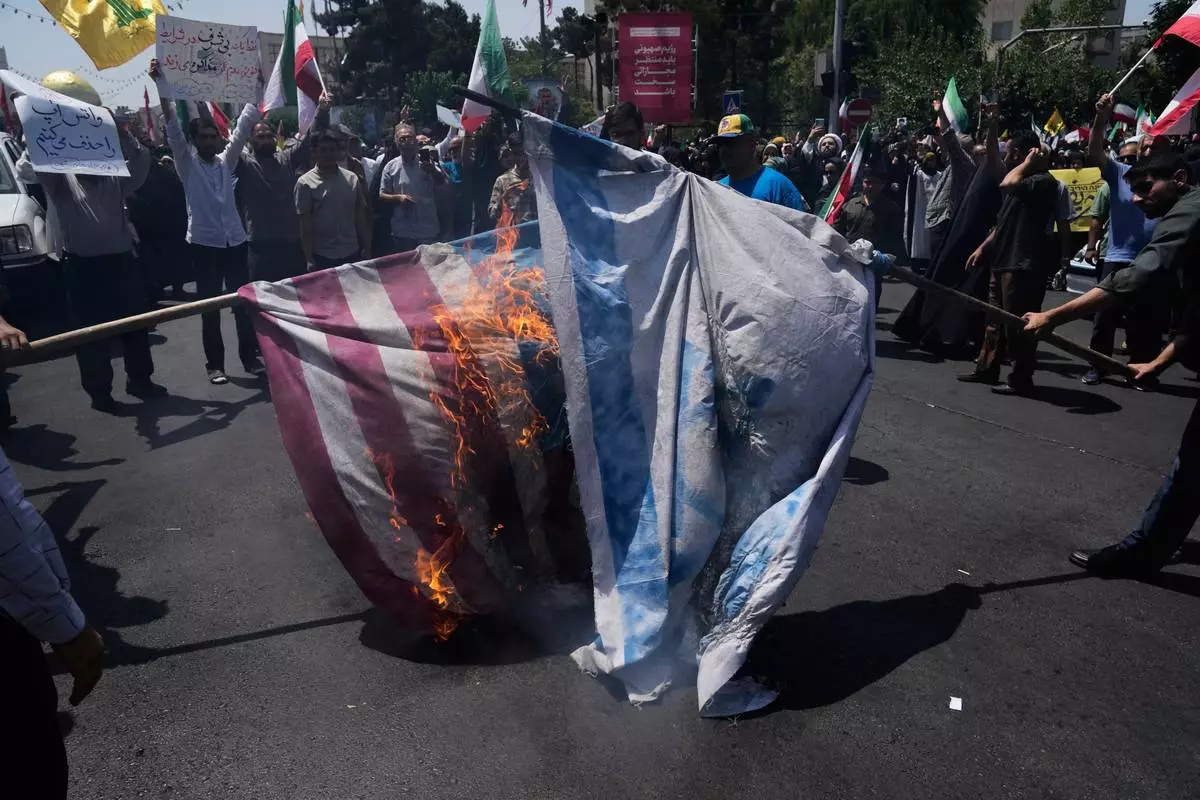
FILE - Iranian protestors burn representations of the Israeli and U.S. flags during a protest to condemn Israeli attacks on multiple cities across Iran, after the Friday prayers ceremony in Tehran, Iran, Friday, June 20, 2025. (AP Photo/Vahid Salemi), File)