European Union (EU) leaders condemned U.S. President Donald Trump's threat to impose a 50 percent tariff on all EU imports on Friday.
Trump escalated trade tensions with the EU on Friday, threatening to impose the 50 percent tariff starting June 1. In a post on a social media platform, Trump said he is recommending the tariff due to stalled negotiations with Brussels.
"Trade talks are going nowhere," he wrote, adding that the EU "was formed for the primary purpose of taking advantage of the United States on TRADE."
Maros Sefcovic, European commissioner for trade and economic security, stressed in a post on the social media platform X that trade between the EU and the United States "must be guided by mutual respect, not threats."
"The EU Commission remains ready to work in good faith," he wrote, adding that the EU stands ready to defend its interests.
Irish Taoiseach Micheal Martin said the U.S. actions would seriously damage bilateral trade relations.
The EU is one of the largest economic partners of the United States, with an annual bilateral trade volume exceeding 1.5 trillion euros. A source familiar with the U.S.-EU negotiation process disclosed that the current negotiations have reached a deadlock. The U.S. demands that the EU make unilateral concessions, while the EU seeks an agreement that considers both sides' interests.
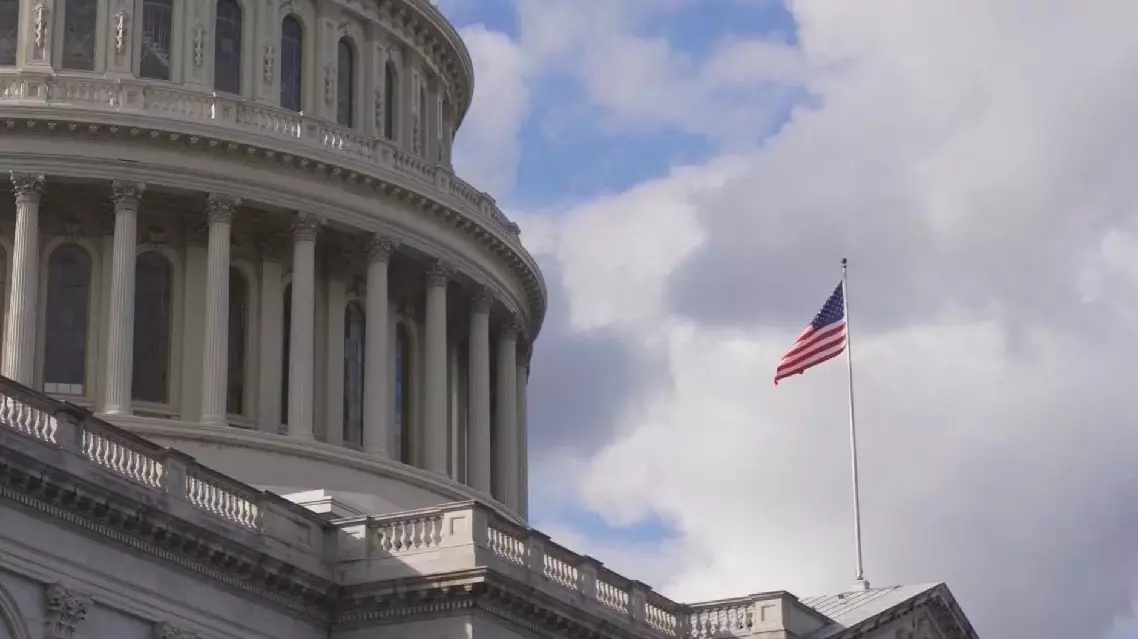
EU leaders condemn Trump's threat to impose 50 pct tariffs on EU imports
Some Iranians in Türkiye are crossing back over the border, driven by worry and desperation, as a nationwide communications blackout in Iran has left them cut off from their loved ones.
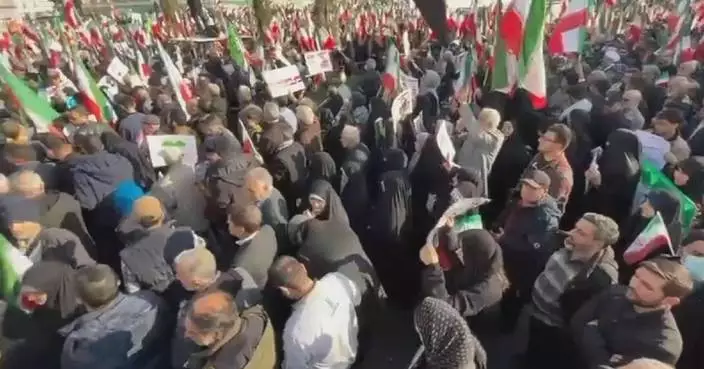
Protests have erupted in many Iranian cities since Dec. 28. They initially began with Tehran bazaar merchants demonstrating against the sharp devaluation of the national currency rial, and soaring inflation, before spreading to other cities. The unrest has led to casualties among both security forces and civilians.
At the Turkish-Iranian border, many are returning with no certainty about what awaits them, filled instead with questions and growing fear for those on the other side of the border.
"I went to Van yesterday for internet. I urgently needed to use the internet. I got it done. Now I'm heading straight back. There are protests everywhere. We can't get any news. We can't communicate with our families. And it's not just me, there are many Iranians outside the country who can't reach their families," said Feriste, an Iranian citizen.
With communications blacked out across Iran, those outside the country feel powerless to check on the situation back home. For some, this silence has prompted them to return across the border, even as tensions continue to rise.
"We can't get any news. There is no internet. Everything is shut down. I want to search. I want to find out. I want to see my brother. I'm going to see my family," said Husnu, an Iranian citizen.
"I work in Türkiye, and I have no news from Iran at all. I'm going back because I'm worried about my family. It's been days since I last heard from them, and because I'm worried, I'm returning to Iran now. Of course, we are concerned about our safety. We don't know what awaits us there," said another Iranian.
With protests escalating and government blackouts still in place, many Iranians are caught between staying in safety abroad and risking everything to reconnect with their families.
"We had to come to Türkiye because we couldn't reach our families. Schools were closed already. All official institutions were shut down. We have no information about other cities either, because there is no communication network there. There is no television, no internet. We can't even check Twitter," said Nazlican, another Iranian citizen.
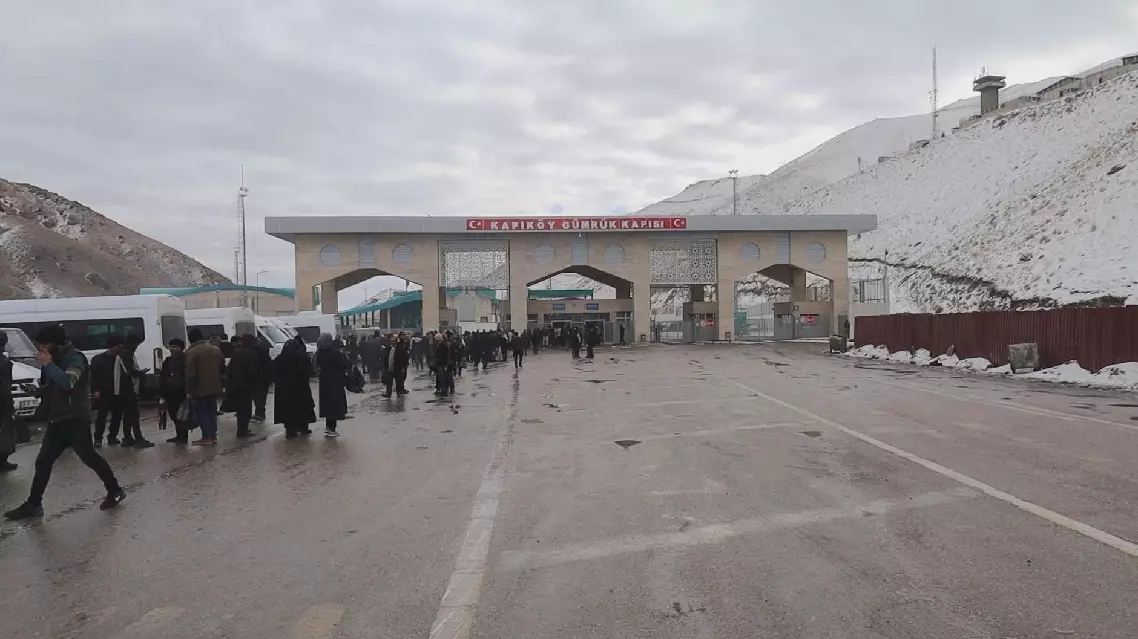
Iranians in Türkiye return home, fearing for their families amid unrest in Iran
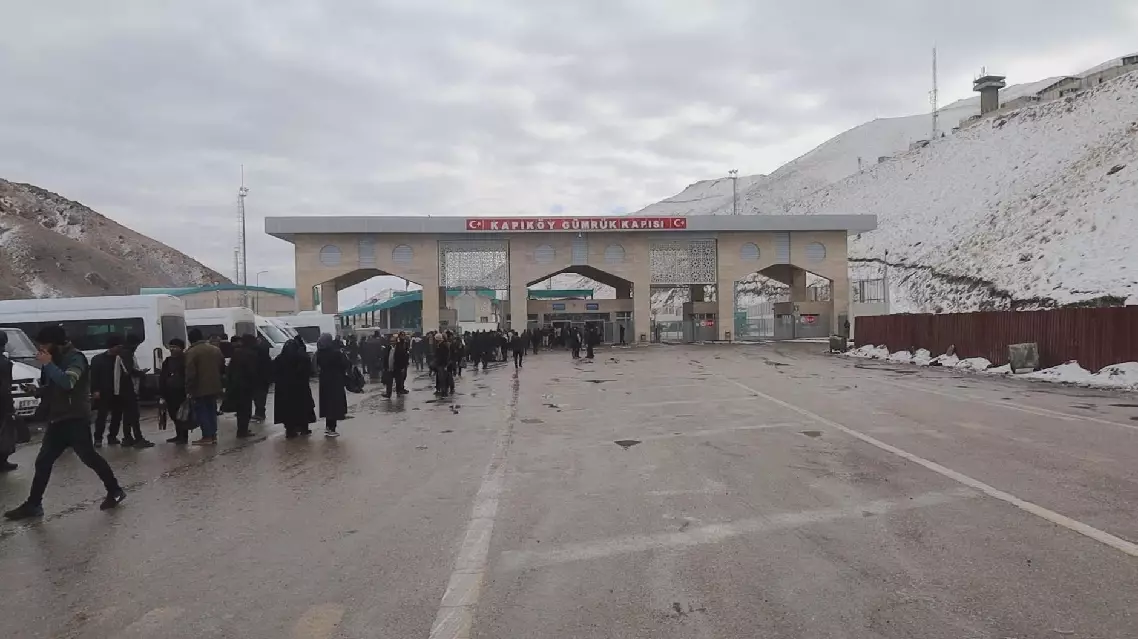
Iranians in Türkiye return home, fearing for their families amid unrest in Iran