Syria is facing a severe water crisis following an exceptionally dry winter, the most arid in nearly 70 years, prompting officials to urge water conservation measures as concerns mount over worsening drought conditions in the summer.
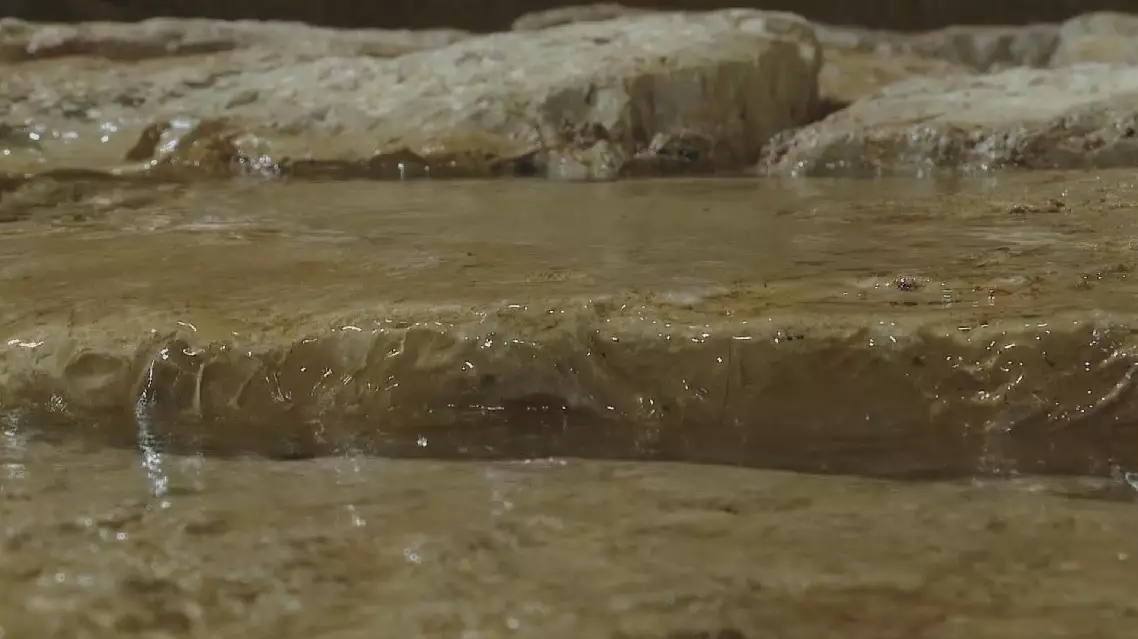
At the heart of the issue lies the Ein El Fijeh spring, historically a vital water source for Damascus, now reduced to a mere trickle due to the record-low winter rainfall.
"This year, we are experiencing a new situation, the rainfall in Syria and in neighboring countries, were very poor. We recorded only 20 percent of the annual rainfall, and this was reflected in the flow of water from this spring, which usually floods from February to June. But this year, the water did not even emerge," said Khaled Hassan, head of the Ein El Fijeh Spring Station.
The Ein El Fijeh spring and its lifeline, the Barada River, provide water to over 5 million people, amplifying concerns about the worsening water scarcity in the months ahead.
Government officials warn the drought situation could become worse during the summer and are urging residents to use water sparingly.
"This year, we have taken measures, we are activating the rationing of water. Damascus used to be supplied with water on a daily basis, but now it will be supplied with water every other day, and we instructed the water rationing," said Hassan.
Poor rainfall is also affecting food security for millions of people, as the Syrian government takes measures to limit crop cultivation that requires too much water.
Muhammad Asmar has been a farmer for over 12 years in rural Damascus. He said this is the worst year he has ever experienced as his wheat crop has failed, while vegetables are struggling to grow due to poor rainfall and water wells being at their lowest ever level.
"Due to poor rainfall, we are facing a lack of water and we are trying to get by. The crops this year are very bad. Many have grown wheat, but all are wasted. I grow peas and they must be watered every 5 days, but in our current condition, we water them every 10 days, so it won't produce as usual," said Asmar.
Amidst these challenges, hopes are pinned on the recent easing of U.S. sanctions, aiming to bolster energy supply in Syria and alleviate the water crisis.
"The water crisis is categorized into two parts. One is linked to the groundwater and the precipitation and this has nothing to do with the government. But the second part is linked to the energy needed to pump water from the wells. More energy for electricity means more hours to pump water into residents' homes and this will alleviate the water crisis," said Muhamad Bakkour, an economic analyst.
Syria grapples with severe water shortage following driest winter in decades