KATHMANDU, Nepal (AP) — Using xenon gas treatment and the latest technology is making climbing Mount Everest not just faster but also better for the environment, cutting down garbage and waste, a renowned mountain guide said Monday.
Lukas Furtenbach took a team of British climbers, who left London on May 16, to scale the 8,849-meter (29,032-foot) peak on May 21. They returned home two days later, in one of the fastest ascents on record of the world’s highest peak, including the climbers’ travel from their homes and back.
The use of xenon gas treatment has, however, drawn controversy and has even raised the concerns of Nepalese mountaineering authorities who have announced an investigation.
“The only reason why we are working with xenon is to make climbing safer, to protect climbers from high altitude sickness,” Furtenbach told The Associated Press upon his return to Kathmandu. “We can see people dying on Everest every year and this is may be one step to improve the situation to make climbing high altitude mountains safer.”
The climbers had put in months of preparation, training in hypoxia tents, and underwent a xenon gas treatment at a clinic in Germany just two weeks before heading to Nepal.
Climbers normally spend weeks at base camp to acclimatize to the higher altitude. They make practice runs to the lower camps on Everest before beginning their final attempt on the peak so that their bodies are prepared for the low pressure and lower level of oxygen available.
The new method is likely to reduce the time climbers spend out of their home countries and cut the number of days they need to take off work, also cutting down on expenses.
Furtenbach said the ability to climb the peak in a short period of time could also lead to less environmental impact on the mountain.
“Human waste is one of the biggest problems on Everest base camp. If people spend one week there compared to eight weeks, it is a 75% reduction of human waste," he said. "It is a huge reduction of garbage on the mountain and also of resources that have to be carried up to the back camp and have to be carried up the mountain.”
Nepal doesn't have rules on how many days climbers must spend acclimatizing or making practice climbs. The permits to climb Everest, which cost $11,000 each, are valid for 90 days. Climbing season normally wraps up by the end of May, when the weather deteriorates and monsoon season begins. The ropes and ladders fixed to the mountain are then pulled out.
Nepal's mountaineering department issued a press statement saying it was going to investigate the use of xenon gas.
Furtenbach said the gas was never used in Nepal and that he could prove that it was safe to use for climbers.
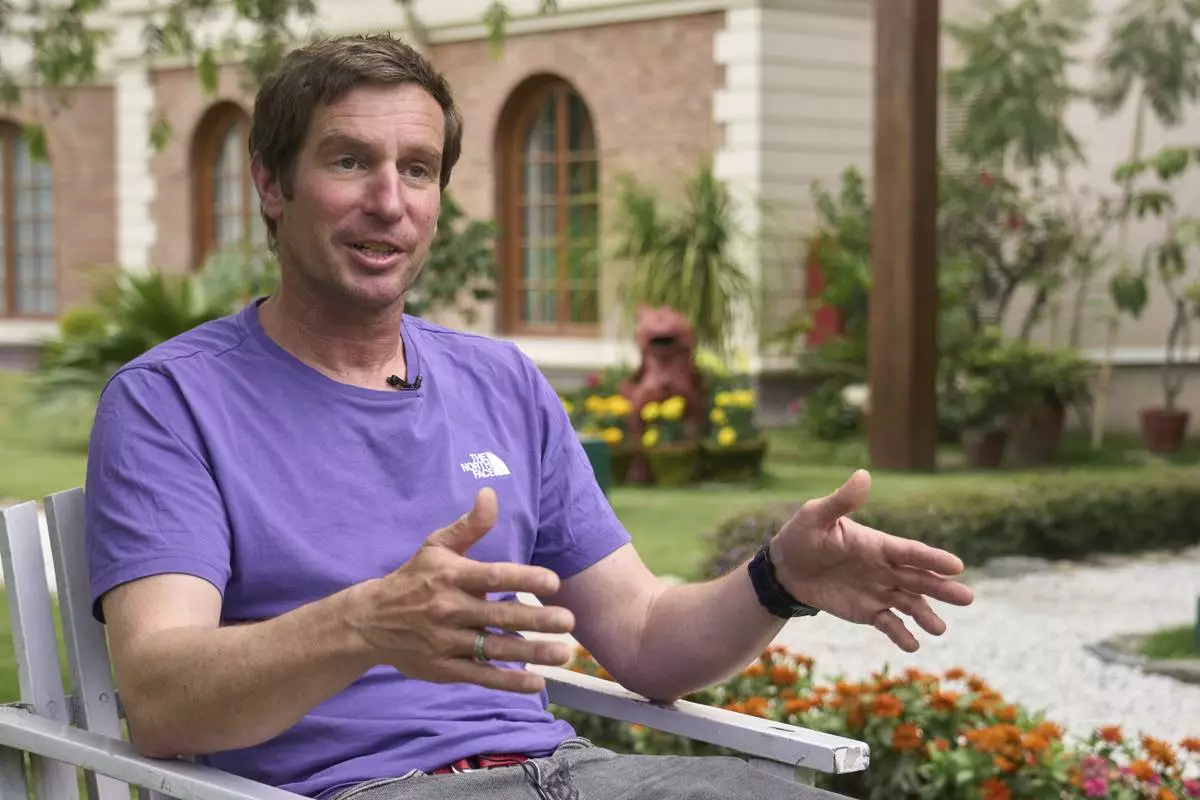
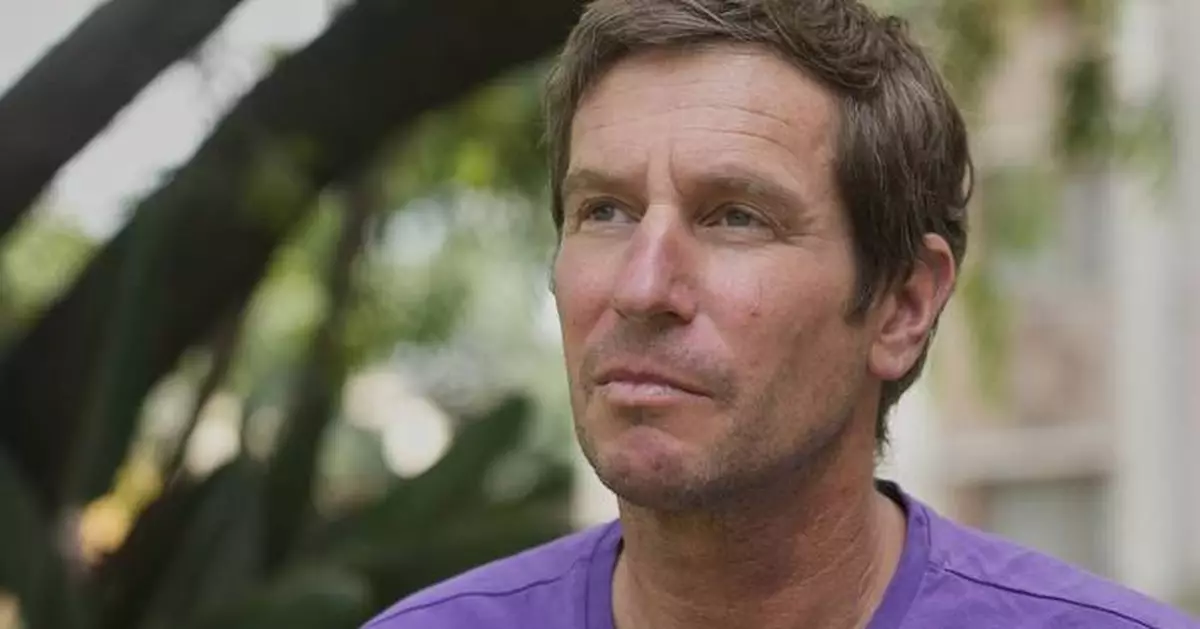
Mountain guide Lukas Furtenbach speaks with Associated Press during an interview in Kathmandu, Nepal, Monday, May 26, 2025. (AP Photo/Niranjan Shrestha)
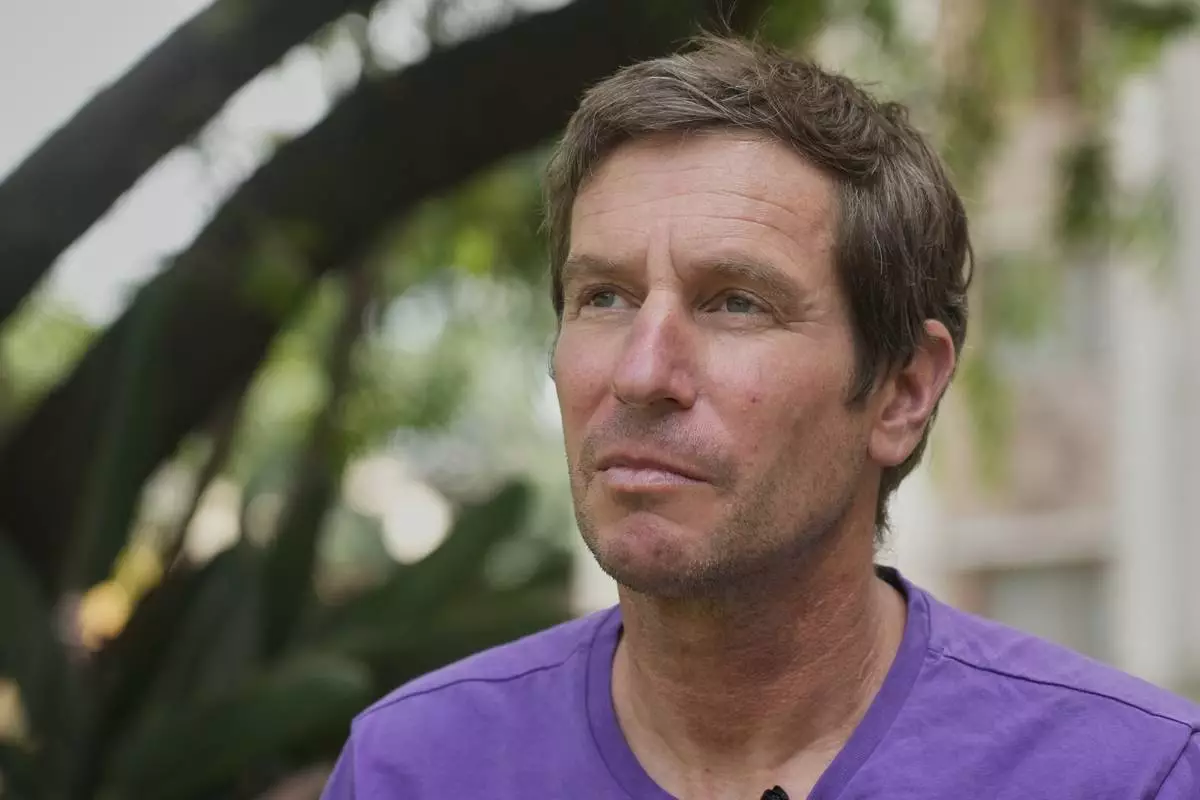
Mountain guide Lukas Furtenbach speaks with Associated Press during an interview in Kathmandu, Nepal, Monday, May 26, 2025. (AP Photo/Niranjan Shrestha)
LONDON (AP) — King Charles III has been “deeply touched” by the response to his update on his cancer treatment, Buckingham Palace said Saturday, adding that the monarch is pleased to have highlighted the value of screening programs for the disease.
Medics and health charities have praised the king for his openness, saying his statement on Friday had already prompted people to seek information about cancer.
In a strikingly personal video statement, the British monarch acknowledged that a cancer diagnosis can feel “overwhelming,” but said catching the disease early brings “the precious gift of hope.”
Here’s what to know about the king's condition and his message.
The 77-year-old king said in a statement broadcast Friday that his treatment schedule will be reduced in the new year, “thanks to early diagnosis, effective intervention and adherence to ‘doctors’ orders.’”
He encouraged others to take advantage of screening programs such as those for breast, bowel and cervical cancer offered by Britain’s public health service.
“Early diagnosis quite simply saves lives,” the king said in the statement aired during a “Stand Up to Cancer” telethon on TV station Channel 4. He said catching the disease early had allowed him “to continue leading a full and active life even while undergoing treatment.”
Charles has received outpatient treatment for almost two years. Buckingham Palace did not say the king is in remission, but that his treatment is moving to a “precautionary phase” and his condition will be monitored to ensure his continued recovery.
“I know from my own experience that a cancer diagnosis can feel overwhelming,” the king said in his video statement. “Yet I also know that early detection is the key that can transform treatment journeys, giving invaluable time to medical teams – and, to their patients, the precious gift of hope.”
Charles announced in February 2024 that he had been diagnosed with cancer, and, in a break from centuries of secrecy about royal health, he has since spoken about the illness, using his story to promote cancer awareness and treatment.
The openness has limits, though. The king has not disclosed what type of cancer he has or what kind of treatment he is receiving. The palace said it was an intentional decision designed to ensure his message reaches the widest possible audience.
The king’s cancer was discovered after treatment for an enlarged prostate. While doctors ruled out prostate cancer, tests revealed “a separate issue of concern,” palace officials said last year.
Charles suspended his public appearances for about two months after his diagnosis. Since returning to the public eye, he has visited cancer treatment centers across the country and shared stories with fellow patients.
Buckingham Palace said Charles “will be greatly encouraged and deeply touched by the very positive reaction" his message has generated. “He will be particularly pleased at the way it has helped to shine a light on the benefits of cancer screening programs,” it added.
British cancer charities said the number of people seeking information about cancer jumped after the king revealed he was undergoing treatment last year.
Cancer Research U.K. said about 100,000 people have visited its Screening Checker website since it was launched on Dec. 5, most of them since the king’s statement on Friday.
The charity's Chief Executive Michelle Mitchell said: “When public figures speak openly about their cancer diagnosis, it can prompt others to check in on their health.”
Broadcaster Jonathan Dimbleby, the king’s authorized biographer, said the statement was “a remarkable thing for a monarch to do.”
“It takes guts, and the fact that he came out and did that will save lives,’” Dimbleby said.
The Princess of Wales, who announced her own cancer diagnosis six weeks after her father-in-law, has also given updates on her treatment. Kate announced in January that her cancer is in remission.
Find more of AP’s coverage at https://apnews.com/hub/royalty
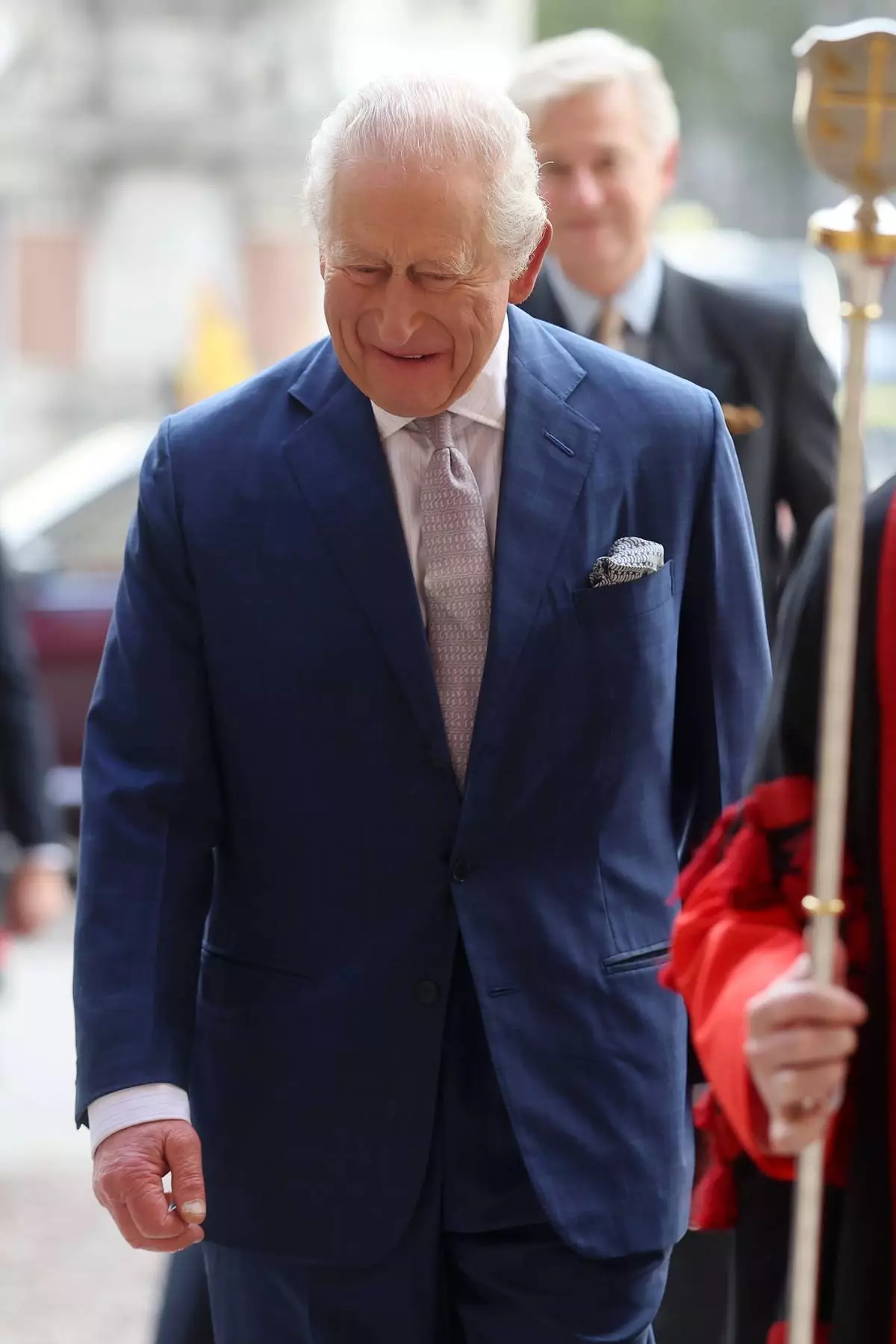
Britain's King Charles III attends an Advent Service at Westminster Abbey, in London, Wednesday, Dec. 10, 2025. (Chris Jackson/Pool Photo via AP)
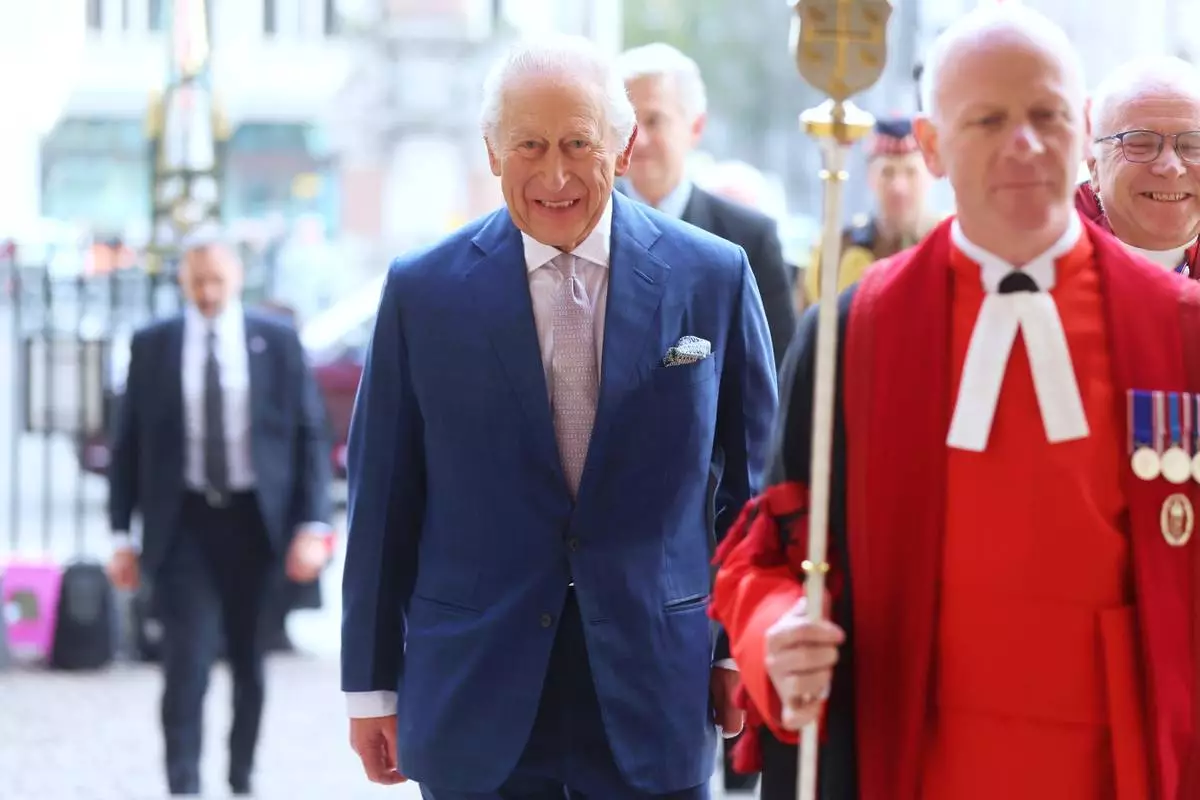
Britain's King Charles III attends an Advent Service at Westminster Abbey, in London, Wednesday, Dec. 10, 2025. (Chris Jackson/Pool Photo via AP)