TOKYO (AP) — Stephen Hayes Dacus was approved Tuesday to be the new chief executive of the operator of 7-Eleven, the first foreigner to lead the Japanese convenience store chain.
The American with a Japanese mother was appointed earlier this year to be chief executive of Seven & i Holdings Co., which operates the stores, known as “konbini” in Japan.
An acquisition proposal by Alimentation Couche-Tard of Canada, which the company has so far rejected, was not up for vote at the shareholders’ meeting. The companies are discussing the proposal and Seven & i is conducting an internal study.
Dacus has promised further growth for the business, which has been widening its overseas appeal. The 7-Eleven chain is the biggest convenience store chain in the U.S. But some analysts say there are challenges in the Japanese market, where the population is rapidly aging and competition is fierce among konbini brands.
Fluent in Japanese and English, Dacus previously worked at Walmart, Japanese clothing chain Uniqlo and other retailers. Shareholders appeared to have high hopes for his leadership and the rest of the new team that also won their approval. It remains unclear whether the company is going to go it alone or decide to collaborate with Couche-Tard.
The 7-Eleven stores in Japan sell everything from ice cream to batteries to health needs and hot meals. Some stores allow customers to pay utility bills or use the copier machine. They also work with local governments to help out during disasters, providing water, relief supplies, toilet facilities and emergency information.
Yuri Kageyama is on Threads: https://www.threads.com/@yurikageyama
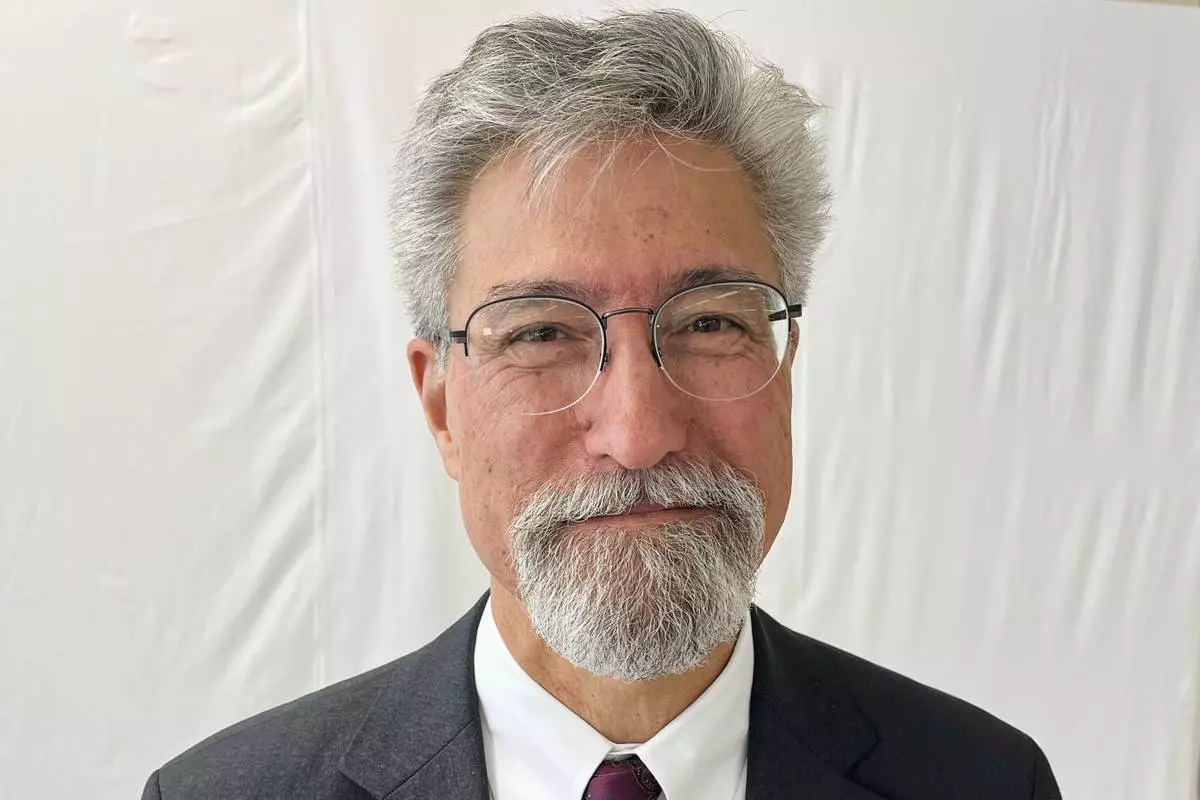
FILE - Stephen Hayes Dacus, who was tapped to be the next chief executive of Seven & i Holdings, which operates the 7-Eleven convenience store chain, poses for a photo at the company's headquarters in Tokyo, April 25, 2025. (AP Photo/Yuri Kageyama, File)
WASHINGTON (AP) — In a reversal from previous years' pollution reductions, the United States spewed 2.4% more heat-trapping gases from the burning of fossil fuels in 2025 than in the year before, researchers calculated in a study released Tuesday.
The increase in greenhouse gas emissions is attributable to a combination of a cool winter, the explosive growth of data centers and cryptocurrency mining and higher natural gas prices, according to the Rhodium Group, an independent research firm. Environmental policy rollbacks by President Donald Trump’s administration were not significant factors in the increase because they were only put in place this year, the study authors said. Heat-trapping gases from the burning of coal, oil and natural gas are the major cause of worsening global warming, scientists say.
American emissions of carbon dioxide and methane had dropped 20% from 2005 to 2024, with a few one- or two-year increases in the overall downward trend. Traditionally, carbon pollution has risen alongside economic growth, but efforts to boost cleaner energy in recent years decoupled the two, so emissions would drop as gross domestic product rose.
But that changed last year with pollution actually growing faster than economic activity, said study co-author Ben King, a director in Rhodium's energy group. He estimated the U.S. put 5.9 billion tons (5.35 billion metric tons) of carbon dioxide equivalent in the air in 2025, which is 139 million tons (126 million metric tons) more than in 2024.
The cold 2025 winter meant more heating of buildings, which often comes from natural gas and fuel oil that are big greenhouse gas emitters, King said. A significant and noticeable jump in electricity demand from data centers and cryptocurrency mining meant more power plants producing energy. That included plants using coal, which creates more carbon pollution than other fuel sources.
A rise in natural gas prices helped create an 13% increase in coal power, which had shrunk by nearly two-thirds since its peak in 2007, King said.
“It’s not like this is a huge rebound,” King said. “We’re not sitting here claiming that coal is back and going to dominate the sector or anything like that. But we did see this increase and that was a large part of why emissions went up in the power sector.”
King said the list of more than two dozen proposed rollbacks of American environmental policies by the Trump administration hadn't been in place long enough to have an effect in 2025, but may be more noticeable in future years.
“It’s one year of data so far,” King said. “So we need to see the extent to which this trend sustains.”
Solar power generation jumped 34%, pushing it past hydroelectric power, with zero-carbon emitting energy sources now supplying 42% of American power, Rhodium found. It will be interesting to see what happens as the Trump administration ends solar and wind subsidies and discourages their use, King said.
"The economic case for adding renewables is quite strong still," King said. “This stuff is cost-competitive in a lot of places. Try as they might, this administration can’t alter the fundamental economics of this stuff.”
Before the Trump administration took office, the Rhodium team projected that in 2035 U.S. greenhouse gas emissions would have fallen between 38% and 56% compared to 2005 levels, King said. Now, the projected pollution drop is expected to be about one-third less, he calculated.
Others who were not involved in the Rhodium report said last year's increase in emissions is an ominous sign.
“Unfortunately, the 2025 U.S. emission increase is likely a harbinger of what’s to come as the U.S. federal leadership continues to make what amounts to a huge unforced economic error by favoring legacy fossil fuels when the rest of the world is going all in on mobility and power generation using low-carbon technology, primarily based on renewables and batteries,” said University of Michigan environment dean Jonathan Overpeck.
Overpeck said that favoring fossil fuels will harm both the U.S. economy and air quality.
Longtime climate change activist Bill McKibben said bluntly: “It's so incredibly stupid that the U.S. is going backwards on this stuff."
The Environmental Protection Agency said in a statement it wasn't familiar with the Rhodium Group report and is “carrying out our core mission of protecting human health.”
The Associated Press’ climate and environmental coverage receives financial support from multiple private foundations. AP is solely responsible for all content. Find AP’s standards for working with philanthropies, a list of supporters and funded coverage areas at AP.org.
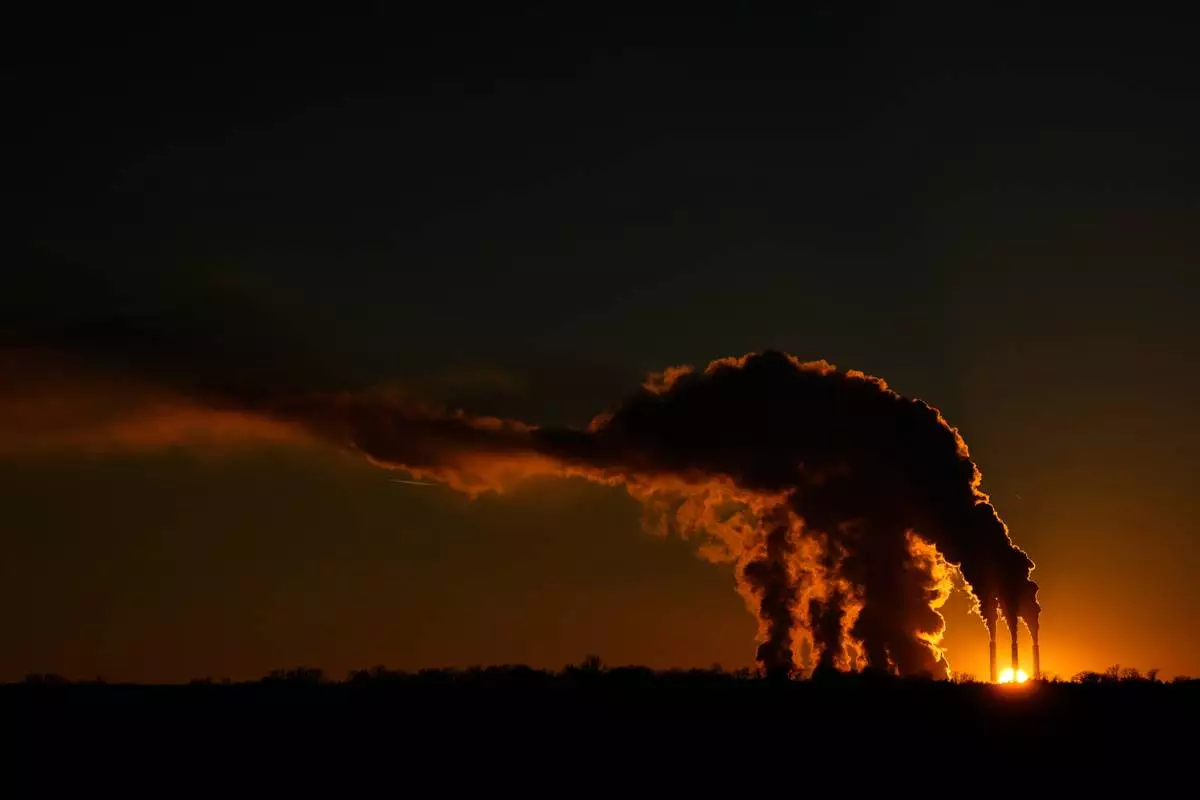
The Jeffrey Energy Center coal-fired power plant operates at sunset near Emmett, Kan., Saturday, Jan. 3, 2026, in Topeka, Kan. (AP Photo/Charlie Riedel)