As the number of high-tech enterprises in China's national-level economic and technological development zones currently accounts for 18.3 percent of the national total, the country will roll out more measures on supporting the development of new quality productive forces in the zones, said an official with the Ministry of Commerce on Tuesday.
Speaking at a press conference in Beijing, Zhu Bing, director of the ministry's Department of Foreign Investment Administration, said that the national-level economic and technological development zones now host over 700 national-level incubators and makerspaces.
In the next step, the ministry will encourage enterprises in the zones to lead the creation of innovation alliances among industries, universities and research institutes and support qualified zones in establishing offshore innovation bases to explore overseas research and development and domestic application, said Zhu.
He said that the ministry will integrate major sci-tech innovation platforms and public service platforms to create a full-chain process for results application, including industry validation, large-scale production, testing and quality control.
Furthermore, the ministry will also support the zones in conducting major technological upgrades and extensive equipment renewal, as well as attract and cultivate enterprises that use specialized and sophisticated technologies to produce novel and unique products or those who have been awarded individual champion, so as to empower chain-leading enterprises and enhance the overall competitiveness of industries, said Zhu.
He said that the ministry will also guide the zones to further strengthen and optimize their leading industries, continue to deepen international cooperation, and explore new fields.
"In the next phase, we will support the zones to create future industry incubators and pilot areas, strengthen the measurement system and capacity-building for future industries and accelerate the forward-looking layout of future industries," said Zhu.
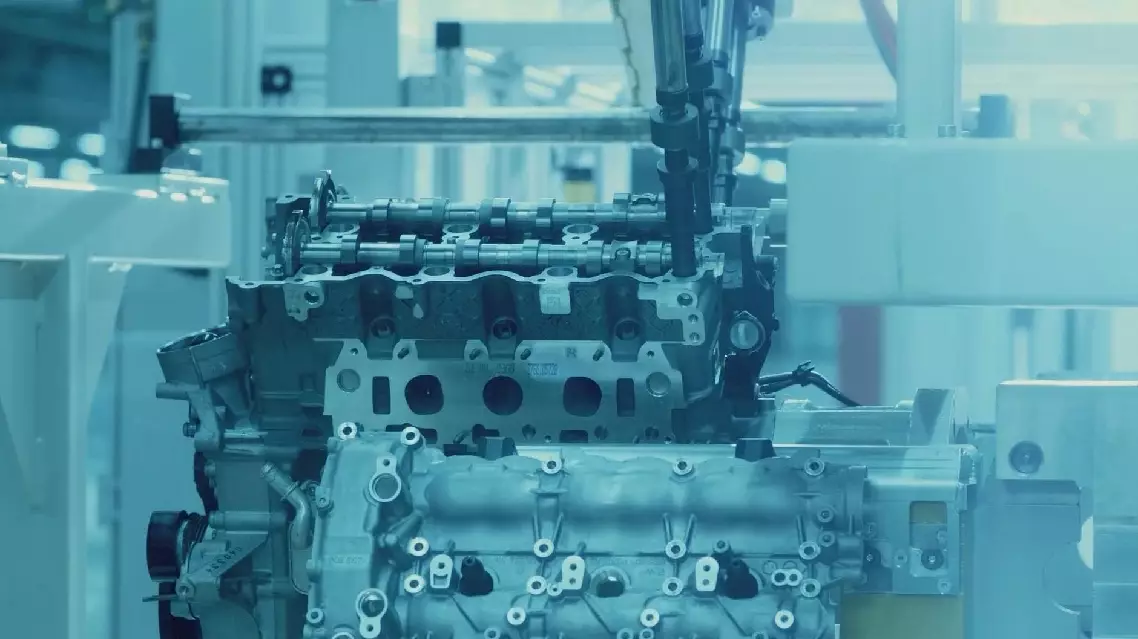
China to roll out measures on supporting new quality productive forces development in economic development zones: official
From cutting-edge technology exhibitions to retail stores thousands of kilometers away from Europe and Southeast Asia, China-made robot vacuum cleaners are increasingly becoming a popular choice among consumers worldwide.
At electronics retailers in Berlin, Germany, Chinese brands such as Roborock and Dreame occupy prominent positions in dedicated robot vacuum sections, offering a wide range of products priced between 200 and 2,000 euros.
Many local consumers said that when purchasing smart home appliances including robot vacuum cleaners, they tend to give priority to Chinese-made products.
"It's a good price and good quality. It's also the innovation. I have a feeling that the European brands are not innovating enough," said one customer.
"I think they're always on top of the other technologies. They are getting them out faster. A lot of us are switching to the Chinese technology," another consumer said.
Germany is one of the most important overseas markets for China's floor-cleaning robots.
According to data from market research firm GfK, from January to November 2025, more than six out of 10 robot vacuum cleaners sold in Western Europe were Chinese brands.
Industry data also point to a strong global momentum.
According to the International Data Corporation (IDC), global shipments of smart robot vacuum cleaners reached 17.424 million units in the first three quarters of 2025, representing a year-on-year increase of 18.7 percent.
Chinese brands including Roborock, Ecovacs, Dreame, Xiaomi and Narwal ranked among the world's top five in terms of shipment volume, with a combined share of nearly 70 percent of the global market.
At a robot vacuum cleaner manufacturing plant in Huizhou, south China's Guangdong Province, workers were seen stepping up production of newly launched models that recently debuted at the Consumer Electronics Show in the United States, which concluded Friday in Las Vegas, Nevada.
The factory adjusted its production lines as early as December 2025 and stocked inventory in advance for overseas markets to ensure that new products could be delivered to global consumers at the earliest possible time.
"In 2025, Roborock's global shipments exceeded 7.2 million units. Since 2024, overseas revenue has accounted for more than 50 percent of our total revenue. Our products have now been sold to more than 170 countries and regions, serving more than 20 million households worldwide," said Quan Gang, president of Roborock.
At another robot vacuum cleaner manufacturing facility in Dongguan, Guangdong, rising overseas orders have prompted the company to upgrade its production lines with intelligent technologies to further boost capacity. The factory is currently operating at full load to meet a growing demand.
"For 2026, we have already obtained overseas orders worth at least 300 million to 400 million yuan (around 43 million to 57.3 million U.S. dollars). In addition, we've engaged in strategic cooperation with European home appliance group Cebos Group, and our total confirmed orders have exceeded 600 million yuan (around 86 million U.S. dollars)," said Zhang Junbin, founder and CEO of Narwal Robotics.
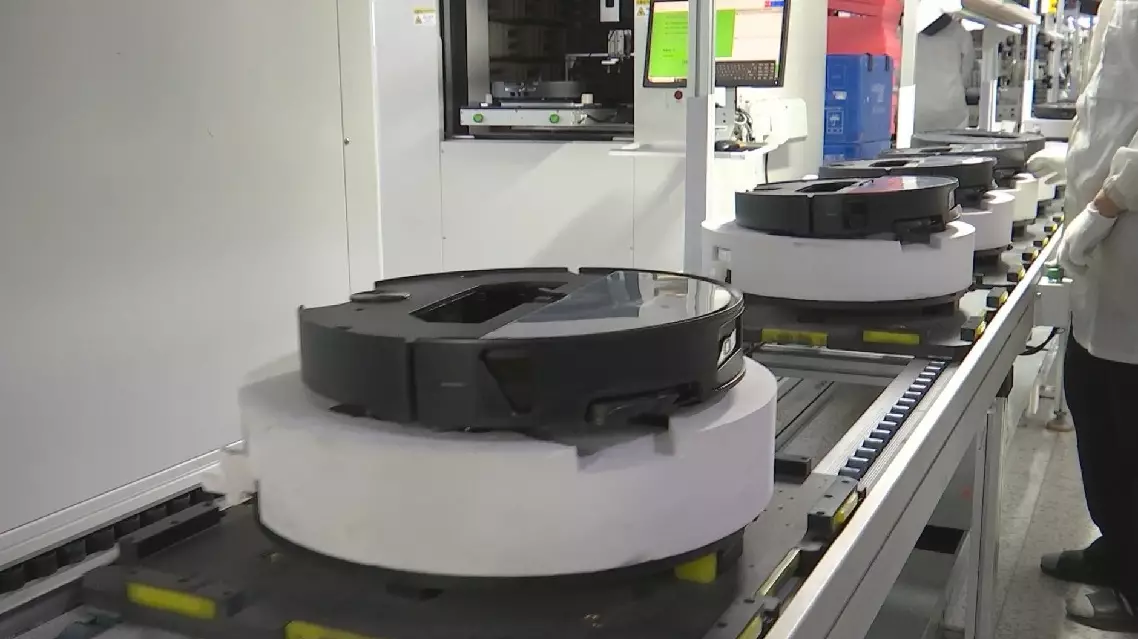
Chinese robot vacuum brands gain strong global traction