Ombudsman probes enhanced management of countryside ancillary tourist facilities to pursue "tourism is everywhere"
The following is issued on behalf of the Office of The Ombudsman:
The Ombudsman, Mr Jack Chan, today (May 29) announced the launch of a direct investigation operation to examine the Hong Kong Special Administrative Region Government's management of countryside ancillary tourist facilities to align with its efforts to develop green tourism and the pursuit of the ideas of "tourism is everywhere" and "sightseeing all over Hong Kong".
In recent years, the Government has actively promoted green tourism to attract visitors from around the world to explore Hong Kong's natural landscapes. Some hiking routes, such as Dragon's Back, have been hailed by international media as the best in the city. Country parks and ancillary facilities, including hiking trails, toilets, rubbish bins, emergency distress facilities, drinking water stations, and signage, are primarily managed and maintained by the Agriculture, Fisheries and Conservation Department (AFCD), while the Civil Engineering and Development Department and the Home Affairs Department are also engaged in related work. In addition, the AFCD, in collaboration with the Tourism Commission, has implemented the Enhancement of Hiking Trails programme since 2018 to improve theancillaryfacilities of hiking trails in country parks, which are popular with and appealing to tourists.
However, the Office has noted from media reports the relevant departments' failure to properly manage and maintain ancillary tourist facilities in countryside areas. Issues include inadequate toilets and poor hygiene conditions, and scattered and rarely updated information on transportation and location of toilets and water filling stations in country parks. Moreover, there have been incidents where damaged hiking trails remained unrepaired and neglected, and fallen trees were unremoved for months after typhoons, extremely heavy rain or landslides, posing potential risks to hikers and visitors. Furthermore, the Office has from time to time received complaints about the slow progress of countryside facility maintenance and insufficient supporting resources, such as delays in rain shelter repairs and insufficient publicity for visitor centres.
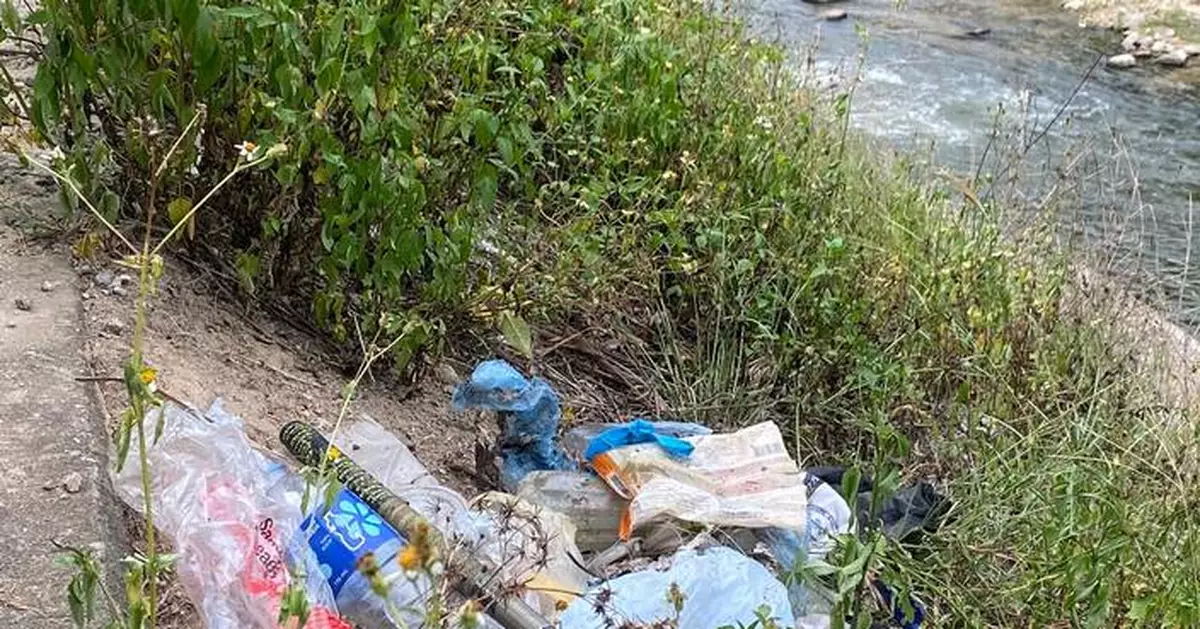
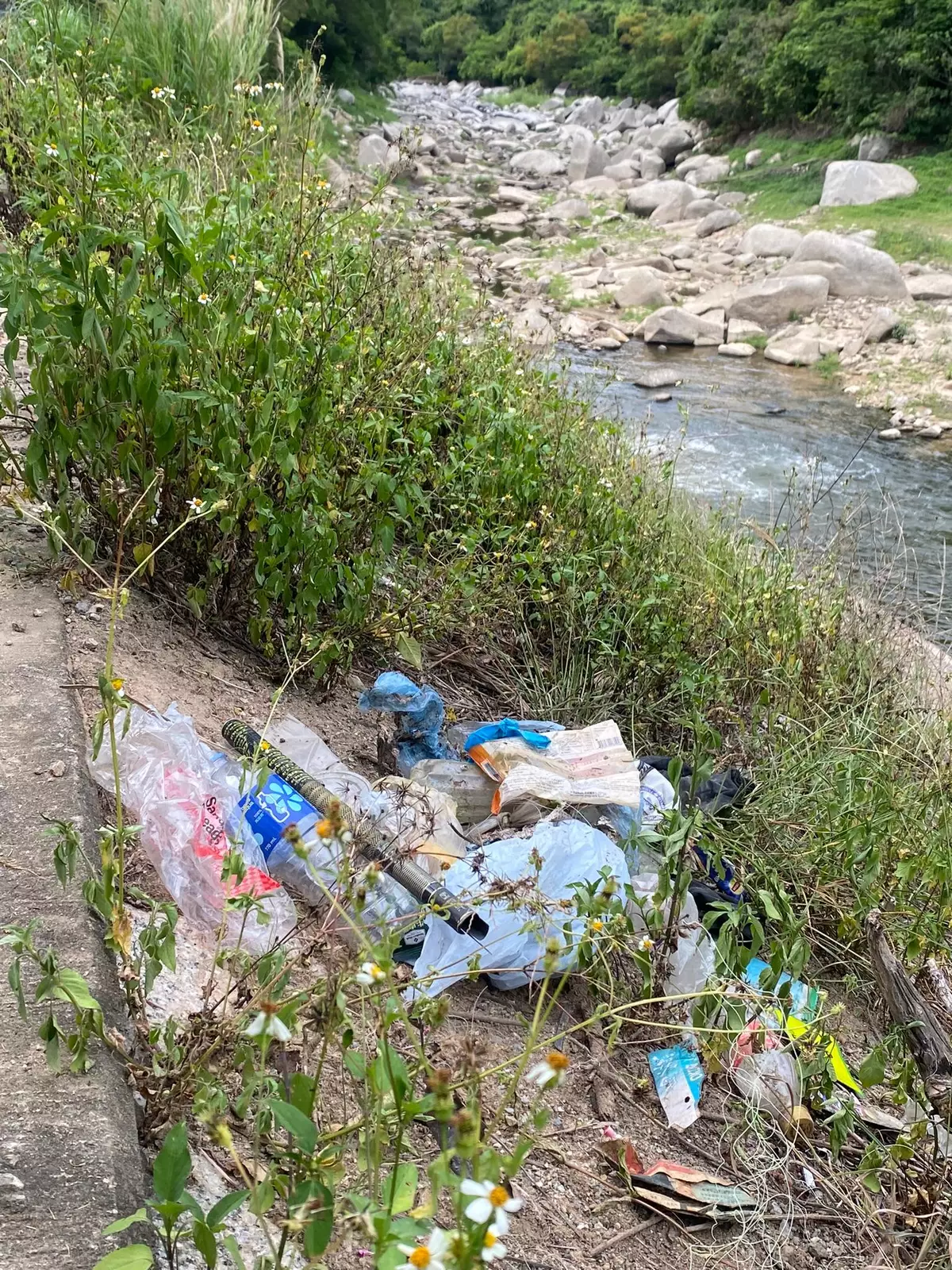
Mr Chan said, "Proper management of countryside ancillary tourist facilities not only helps protect the safety of hikers and visitors but also enhances the outdoor experience for members of the public and tourists, thereby strengthening Hong Kong's appeal as a green tourism hotspot. I have noticed that, for example, during the recent Labour Day Golden Week with many people and tourists travelling to the countryside to enjoy the beautiful mountains and coastal scenery of country parks, problems such as garbage accumulation and traffic congestion emerged. I consider it essential to examine how to improve the ancillary facilities in the countryside, so as to ensure that all these facilities function effectively and are maintained in safe and good condition, and information for visitors is accurate and clear. In this light, I have decided to launch a direct investigation operation to examine the work of the AFCD and other relevant departments on the management and maintenance of countryside ancillary tourist facilities, the dissemination of information on hiking activities and countryside facilities, particularly safety-related information for hikers, as well as the division of responsibilities and co-ordination among different departments regarding the management and maintenance of relevant facilities. Where necessary, pertinent recommendations will be made for improvement."
The Ombudsman welcomes views from members of the public on this topic. Written submissions should reach the Office of The Ombudsman by June 29, 2025:
Address: 30/F, China Merchants Tower, Shun Tak Centre
168–200 Connaught Road Central, Hong Kong
Fax: 2882 8149
Email: di483@ombudsman.hk
Ombudsman probes enhanced management of countryside ancillary tourist facilities to pursue "tourism is everywhere" Source: HKSAR Government Press Releases
CHP urges public to promptly receive seasonal influenza vaccination as another severe paediatric influenza infection case reported
The Centre for Health Protection (CHP) of the Department of Health (DH) today (January 13) recorded a severe paediatric influenza infection case. The CHP again reminded parents to arrange for their children to receive a free seasonal influenza vaccination (SIV) promptly. The SIV remains one of the most effective methods of preventing influenza and its complications, and can reduce the risk of serious complications or death from infection.
The case involves a 6-month-old boy with good past health. He developed a fever and malaise on January 7 and was brought to a private clinic on the same day. He developed shortness of breath and decrease feeding on January 9, and was admitted to the paediatric intensive care unit of Princess Margaret Hospital for treatment on the following day. He is currently in critical condition. His respiratory specimen tested positive for influenza A (H3) virus upon laboratory testing. The clinical diagnosis is influenza A infection complicated with severe pneumonia, sepsis and shock.
A preliminary investigation revealed that the boy has not yet received the 2025/26 SIV and had no travel history during the incubation period. Two of his household contacts developed mild respiratory symptoms earlier. The nasal swab sample of one of the household contacts tested positive for influenza A virus via rapid antigen test. The symptoms were mild and hospitalisation was not required.
The summer influenza season which ended last week recorded 25 severe paediatric influenza cases, including three fatal cases. The affected children were aged between 6 months to 17 years old. Among them, 20 cases (80 per cent) had not received an SIV (including one case who received the 2025/26 SIV only four days before onset of illness). As it generally takes two weeks for the body to develop sufficient protection after vaccination, the case was not protected by the vaccine. Therefore, it is not counted as being vaccinated.
"The summer influenza season was ended. However, influenza activity may rise again as the weather remains cold in the first quarter of this year and it cannot be ruled out that the circulating virus strains may change as the winter influenza season approaches. Therefore, I once again urge all individuals aged 6 months or older, except those with known contraindications, to act promptly if they have not yet received an SIV. This includes those who contracted influenza during the summer influenza season in order to guard against other circulating virus strains that may emerge during the upcoming winter influenza season. Furthermore, although there are some antigenic differences between the currently circulating influenza A (H3) virus strain and the virus strain contained in the vaccine, scientific research indicates that this season's influenza vaccines can still offer protection against the variant strain of subclade K, as well as the influenza A (H1) and influenza B strains included in the vaccine," the Controller of the CHP, Dr Edwin Tsui, said.
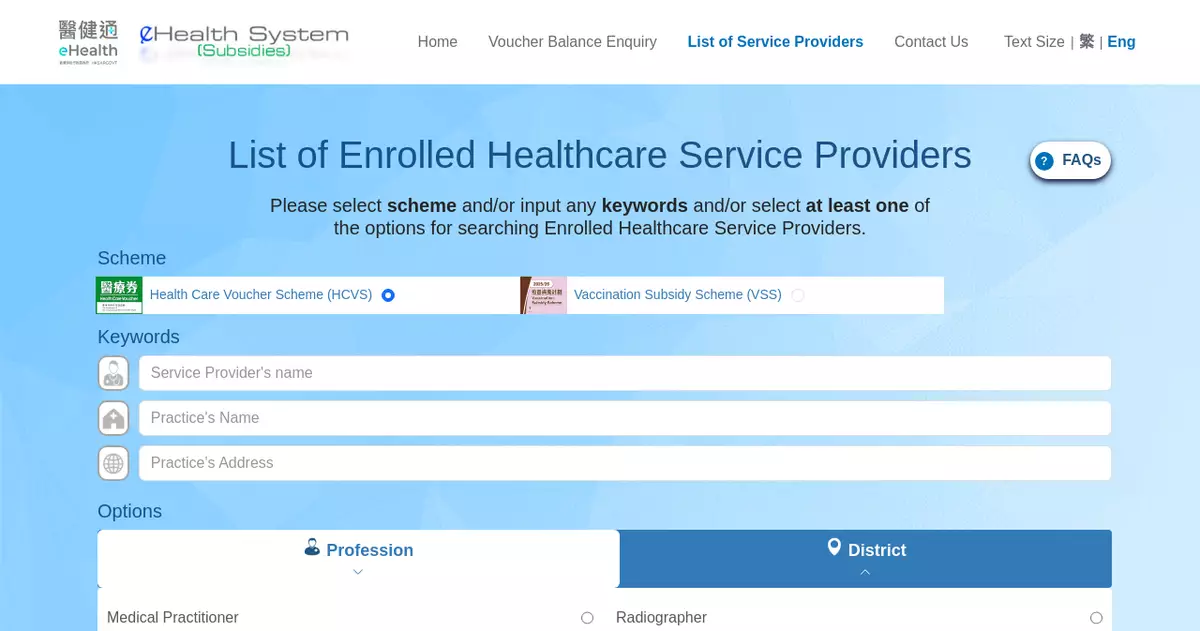
"Although the influenza activity has declined to below the baseline level at the moment, outbreaks caused by influenza viruses still occurred in schools and residential care homes. For children who did not join the SIV School Outreach Programme, parents should promptly bring their children toprivate doctorsenrolled in the Vaccination Subsidy Scheme to receive an SIV. In addition, the SIV coverage rate for children aged 6 months to under 2 years is only about 23 per cent. Although this represents an approximate 4 percentage point increase compared to the same period last year, it is still much lower than that of other age groups. Through the Primary Healthcare Commission, the CHP has urged family doctors to assist in encouraging parents to allow their children to receive an SIV," Dr Tsui added.
He also reminded members of the public that, especially for children, the elderly and those with underlying illnesses, they should seek medical advice promptly for early treatment if they present with fever and respiratory symptoms. As children with influenza can deteriorate rapidly, parents must pay close attention to their children's condition. They should go to an Accident and Emergency Department immediately if the child's condition deteriorates, for example, if they develop symptoms such as shortness of breath, wheezing, blue lips, chest pain, confusion, a persistent fever or convulsions.
Separately, high-risk individuals should wear surgical masks when staying in crowded places. People with respiratory symptoms, even if mild, should wear a surgical mask and seek medical advice promptly. They should also consider whether to attend work or school.
In addition to issuing timely reminders to healthcare professionals and schools based on the latest seasonal influenza development, the CHP also uploads the latest seasonal influenza information on its website weekly. Members of the public can visit the CHP'sseasonal influenzaandCOVID-19 & Flu Expresswebpages.
Source: AI-found images