Long queues formed early morning in central London as toy enthusiasts waited outside a new pop-up store for the release of Hirono, a collectible featuring a child with a permanent mischievous look, created by Chinese toy maker Pop Mart.
The designer toy brand has turning blind-box collectibles into a global phenomenon, with quirky characters, soaring sales, and star-studded fans.
"I live in Yorkshire, so a long way, but I managed to get exactly what I wanted. So I'm really pleased," said a collector.
"It's a little bit of Joy in a world that can sometimes be tough, right? And when you're got adult money, why not spend adult money on things you want, right?" another fan of Hirono said.
Even Hirono's creator Lang turned up -- meeting fans in London for the first time. According to the artist, the character was a form of self expression, and its sudden popularity caught him by surprise.
"As more and more people started to like them, I began to feel a bit of pressure. At the same time, though, I also felt genuinely happy. It's amazing that so many people like this IP, this character, and that they can see a part of themselves in the things I express through different media," said Lang.
Apart from Hirono, Pop Mart has rolled out quite a few other characters -- including Labubu. This quirky elf-like figure with a toothy grin has gone from niche to global, and even celebrities have been spotted with one.
The trend has translated into eye-popping growth for Pop Mart, with its revenue in the first quarter of this year jumping as much as 170 percent year on year.
"Last year, we were very fortunate to open up in Milan, in Italy, and in Barcelona, in Spain, we opened our first offline stores there, and we will focus across the UK, France, Spain, Germany, Italy, Netherlands, these countries, for sure, you'll see new Pop Mart stores opening in the coming months," said Peter Shipman, managing director of Head of Europe, Pop Mart.
This year, Pop Mart is aiming higher, targeting nearly 3 billion U.S. dollars in revenue -- up a billion from last year.
Yet the company's strategy of using blind boxes -- a type of packaging that keeps its contents hidden -- and creating rarity has fueled tensions among fans, as customers scramble to buy and scalpers drive up prices.
The brand taps into tried-and-tested tactics, scarcity and social media buzz and markets them globally by collaborating with global artists. Now, its blind box model is now testing how far Chinese pop culture can travel.
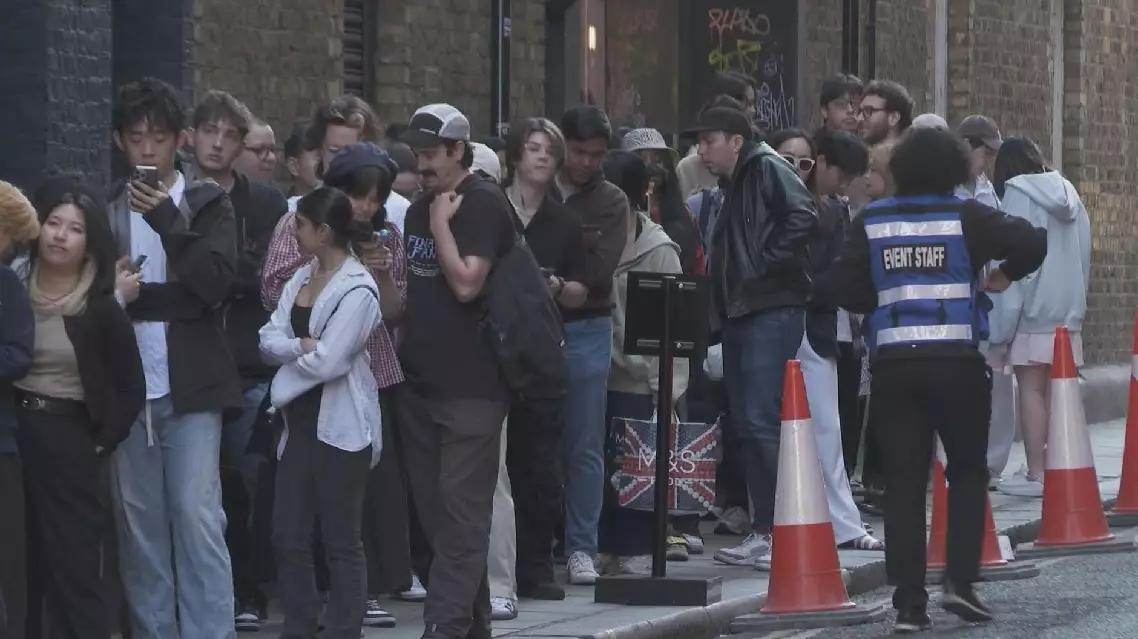
Long queue forms for release of Chinese designer toy in London
The Japanese society should do soul-searching regarding its history of aggression and adhere to the pacifist constitution, said Shiradori Hiroshi, a professor of the Hosei University, in an interview with China Central Television (CCTV) in Tokyo on April 30.
He said the government's recent move to discuss revising the three security documents deserve particular attention as the country's foreign and security policies have already witnessed major changes.
"People outside of the country hold that Japan's post-war image as a 'peace state' is now facing a major shift. Against the backdrop of tremendous changes in its foreign and security policies, the revision of the three security documents deserves particular attention. There lacks public debate in terms of the procedure, with policy changes decided unilaterally at Cabinet meetings. It is necessary to fully explain to the public as to whether such a practice is proper," said Hiroshi.
The Japanese government held its first expert panel meeting to discuss revisions to the three security documents at the Prime Minister's Office on April 27, local media reported.
Japan's current National Security Strategy and two related documents, formulated in 2022, were designed to cover the next 10 years, but the government led by Prime Minister Sanae Takaichi has decided to move up the timetable to accelerate the revision process.
Increasing defense spending is one of the key topics of the meeting, according to Kyodo News.
Hiroshi said this year marks the 80th anniversary of the opening of the International Military Tribunal for the Far East, or Tokyo Trials, and the Japanese society must do soul-searching regarding its history of aggression in WWII, when it brought enormous catastrophes on Asian countries.
"Eighty years have passed since the opening of the Tokyo Trials. Japan inflicted enormous suffering on Asian countries during WWII, which should serve as an opportunity for the soul-searching. It is exact on the basis of countless sacrifices that Japan's post-war pacifism and its identity as a 'peace state' took shape. On this 80th anniversary, it is necessary for Japan to re-examine and do soul-searching regarding its history," said Hiroshi.
The Japanese government's effort to revise the pacifist constitution is widely opposed by the public.
On Sunday, around 50,000 people gathered at Tokyo Rinkai Disaster Prevention Park, chanting slogans and holding banners against the government's push for constitutional revision and military expansion, the largest turnout of its kind in recent years.
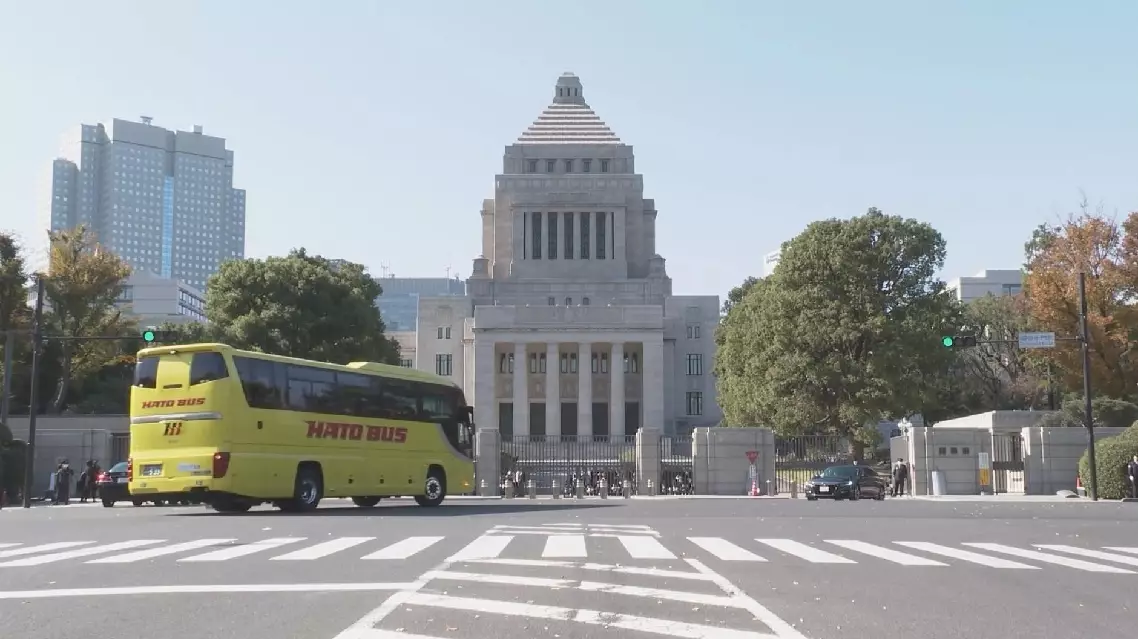
Japan should adhere to pacifist constitution: scholar