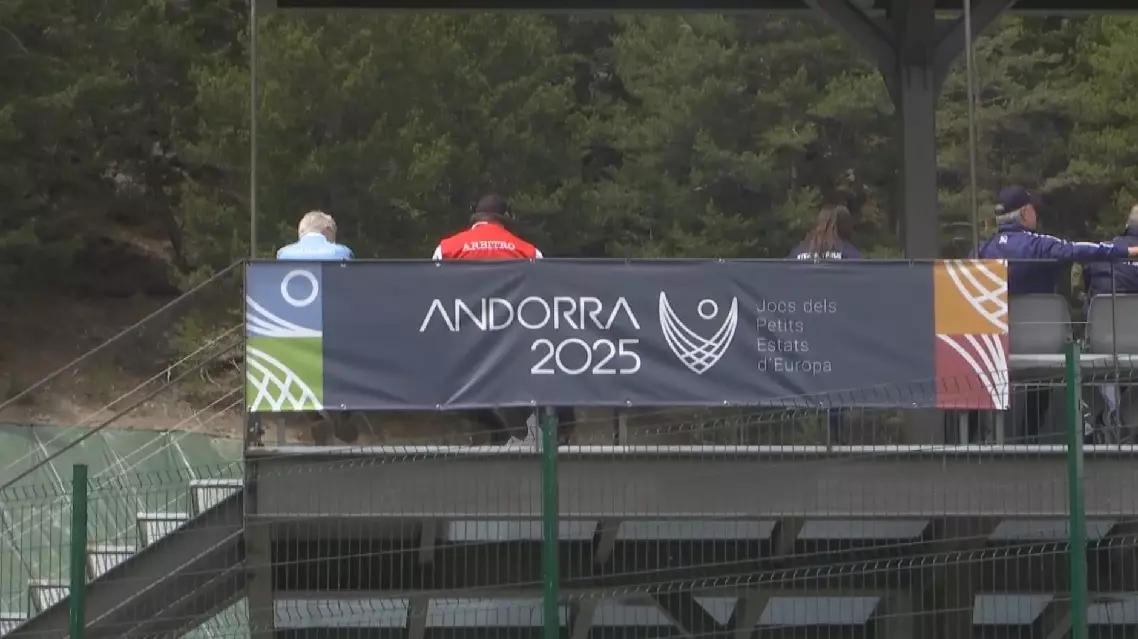
The 20th Games of the Small States of Europe (GSSE) closed on Saturday in Andorra, which was regarded by the participants as an opportunity to make the countries' voices heard internationally.
During the week-long event, athletes from small European countries competed with one another for a total of 331 medals including 160 gold medals. Pascal Fontanili, a 61-year-old shooting athlete from Monaco, has participated in four consecutive sessions of the event. Although the results are not outstanding, what is important to him is to represent the country on the international stage.
"We don't have many athletes, so we have fewer resources to go to the Olympic Games, for example. We still go to the event, but not in all disciplines, so this event is very important for us," he said.
The participating countries are small, but the event is professionally organized. The Radio and Television of Andorra mobilized all its resources to participate in the broadcast.
Many presidents of international single-sport federations watched the competitions on the scene and gave positive comments.
"Shooting Federation respects all, all the countries, all the continents, especially the small countries that need more support, more attention for working together. Around the world, I really appreciate what China is doing," said Luciano Rossi, president of the International Shooting Sport Federation.
Spyros Capralos, president of the European Olympic Committees, said that in the current context of intensified geopolitical conflicts, the GSSE can complement large-scale events to provide a platform for unity and exchange.
"Through unity, by having all the athletes of the world competing together, that gives a great and very strong message to the politicians. The athletes can compete in a friendly environment without problems. And these are the messages that sport is giving to all of us," he said.
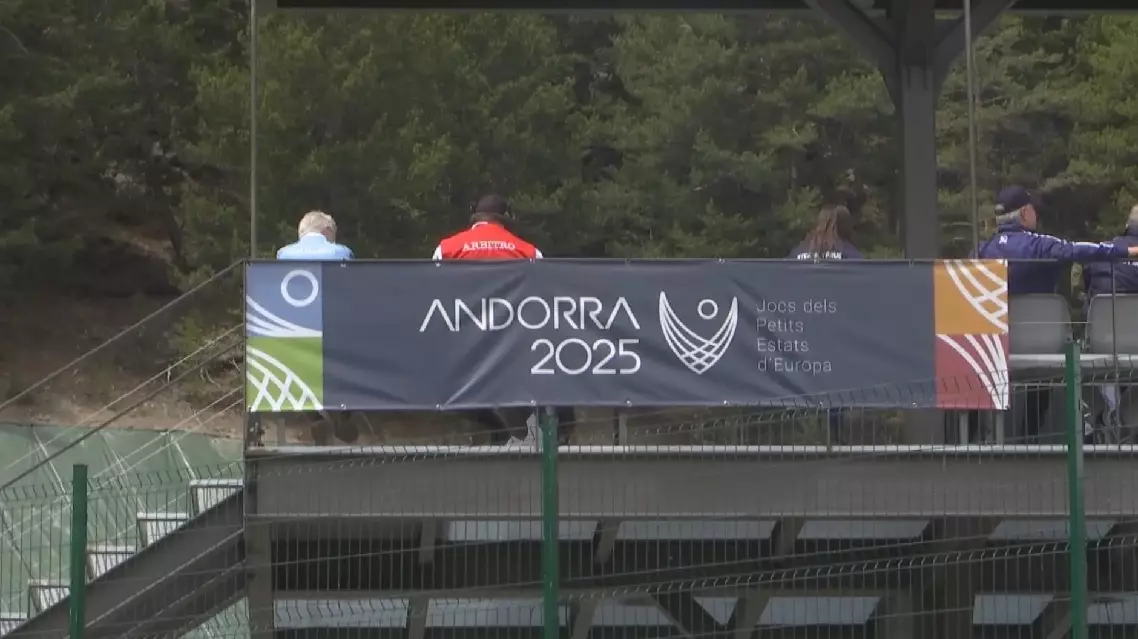
20th Games of Small States of Europe closes in Andorra
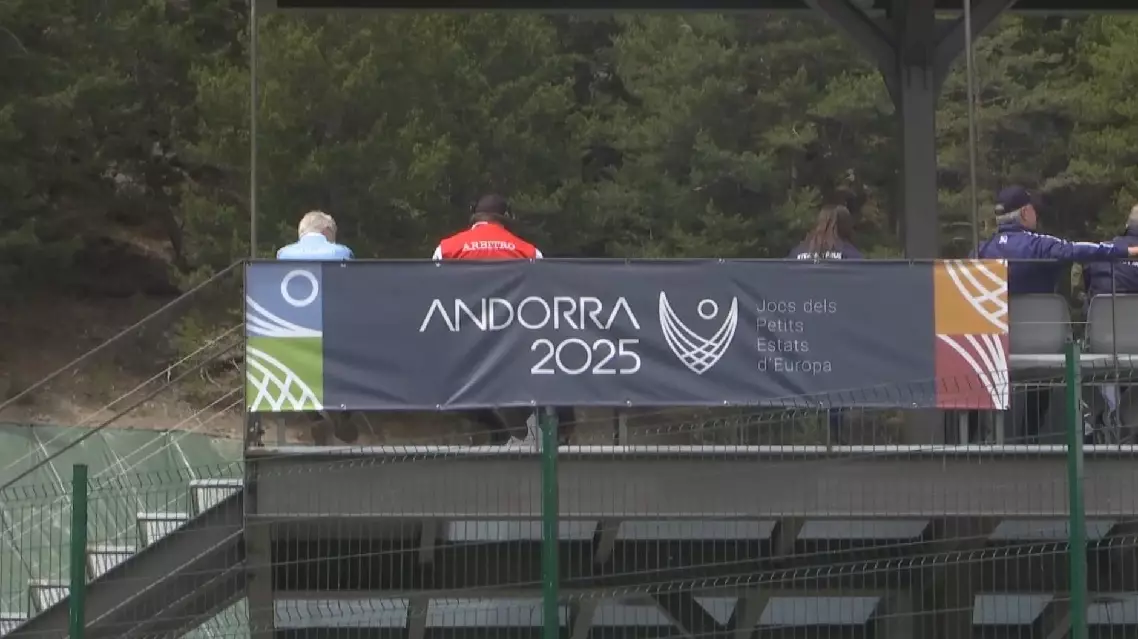
21st Games of Small States of Europe closes in Andorra
Spain is seeing a surge in European tourists as conflict in the Middle East prompts travelers to opt for closer and safer destinations.
With Easter holiday underway, Palma de Mallorca airport has been packed with visitors who abandoned plans for trips eastward. Hostilities triggered by Israeli‑U.S. strikes on Iran have forced major airports across the Middle East to cancel or delay flights, severely disrupting aviation and tourism in the region.
"We were thinking about going to Dubai, but because of the war, there was no option, so we came here to Mallorca," said a traveler named Michelle, who works as a kindergarten teacher.
"We thought about going to Thailand, but I see the flights were disrupted and they said there were drones and things like that, so we thought Spain may be a safer option," another traveler Ross McGrego said.
"The situation in the Middle East is a little bit too unstable for my holiday plans," said traveler Rose Danaher, a rabies specialist nurse with the UK Health Services Agency.
The influx has brought new opportunities for local businesses. Local restaurant owner in Mallorca Victoria Amoros opened her second restaurant just days ago.
"50,000 people extra are flying to Mallorca. These people were supposed to fly to the Middle East and they are rerouted to Mallorca. I don't know how we are going to handle that, but we will receive them with love," said Amoros, owner of La Malvasia Restaurant Chain.
Chris Pomeroy, the global head of tourism of international communications group Hopscotch said people all over the world are choosing to holiday closer to home.
"So, 14 percent of international travel goes through the Middle East, it's a connectivity issue. So, when these bridges are down, the logical effect is that people will stay in their hemisphere. We say in tourism that when in times of conflict, investors turn to gold, and in times of conflict, tour operators turn to Spain," he said.
Spain welcomed a record 97 million foreign tourists in 2025, and industry experts say the figure could surpass 100 million this year. With Middle East routes disrupted, Spain's role as Europe's fallback destination is set to grow even further.
Spain tourism surges as Europeans opt for safer holidays amid Middle East conflict