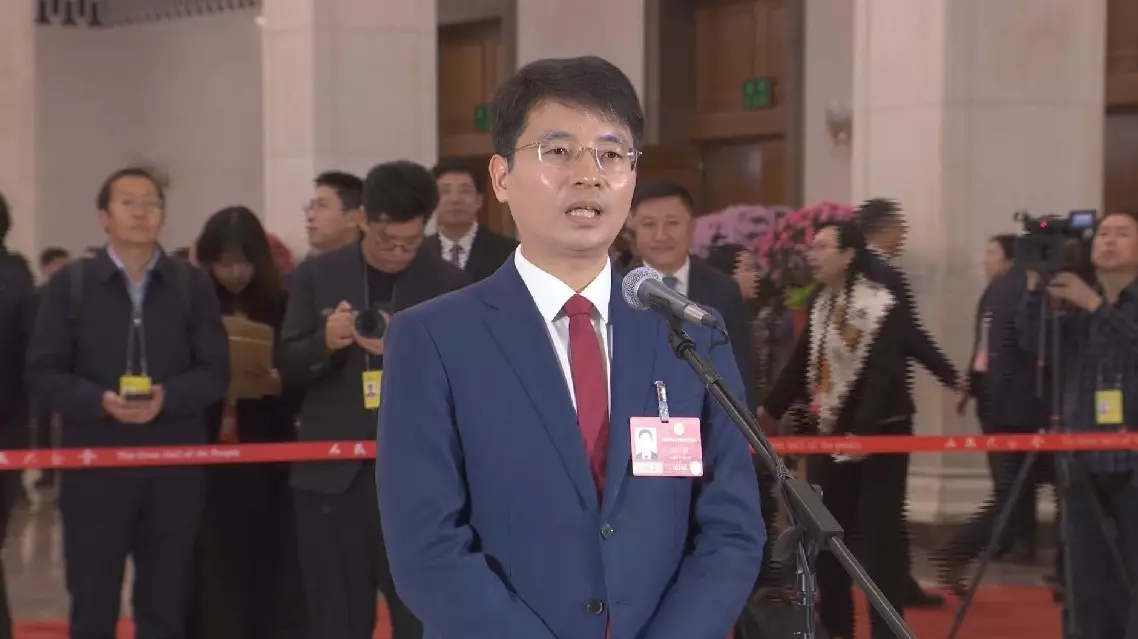
Zhang Weichao, a post-85s dragon head sculptor from Guangzhou, capital city of south China's Guangdong Province, has wielded carving knives for nearly 30 years, crafting over 1,000 dragon heads. With each stroke, he imbues the dragon boat with spirit, shaping it with his passion.
Also known as Duanwu, the Dragon Boat Festival is a traditional Chinese holiday observed on the fifth day of the fifth month of the Chinese calendar, the festival fell on May 31 this year.
Dragon boat races are a crucial part of the festival. But often overlooked are the small details carved into the boats themselves, especially the dragon head.
In his studio in Xiasha Village, Huangpu District, dragon heads of various shapes are scattered everywhere.
With his carving knife in hand, Zhang worked tirelessly, crafting the 55th dragon head he would deliver this year. From selecting the wood to applying the finishing lacquer, each dragon head undergoes more than a dozen meticulous processes.
"The blueprint is in his mind. Each dragon head embodies the spirit and history of the village it represents. People incorporate the elements they wish to express into the design of the dragon head. At this time every year, I will become so busy that aside from eating and sleeping, all I do is carve dragon heads. I need to make 100 dragon heads a year," said Zhang.
Zhang was born in Xiasha Village, a place known for its intricate network of rivers and streams. His father worked as a carpenter but also made dragon boats for the local villages.
Growing up with the scent of wood, Zhang developed a deep fascination with dragon boat culture. At the age of seven or eight, he secretly picked up his father's carving knife and began sculpting dragon heads.
In 2010, he quit his teaching job and turned his passion for carving dragon heads into a profession.
The dragon head represents the soul of the dragon boat. From the curvature of the dragon's horns and the openness of its mouth to the expression in its eyes and the intricate lacquer patterns, each village has its own distinct dragon.
For Zhang, carving must be done with careful consideration before each stroke, because once the arrow is released, there's no turning back.
"From a simple block of wood, it is shaped into a dragon head using the tools here. With every stroke, you must think carefully, because once you carve, there's no going back. Each village has its own unique history and cultural story, so we draw upon these to infuse our creations with meaning. By embedding culture into the object, it gains warmth and power. I believe this is what makes the work truly significant," said Zhang.
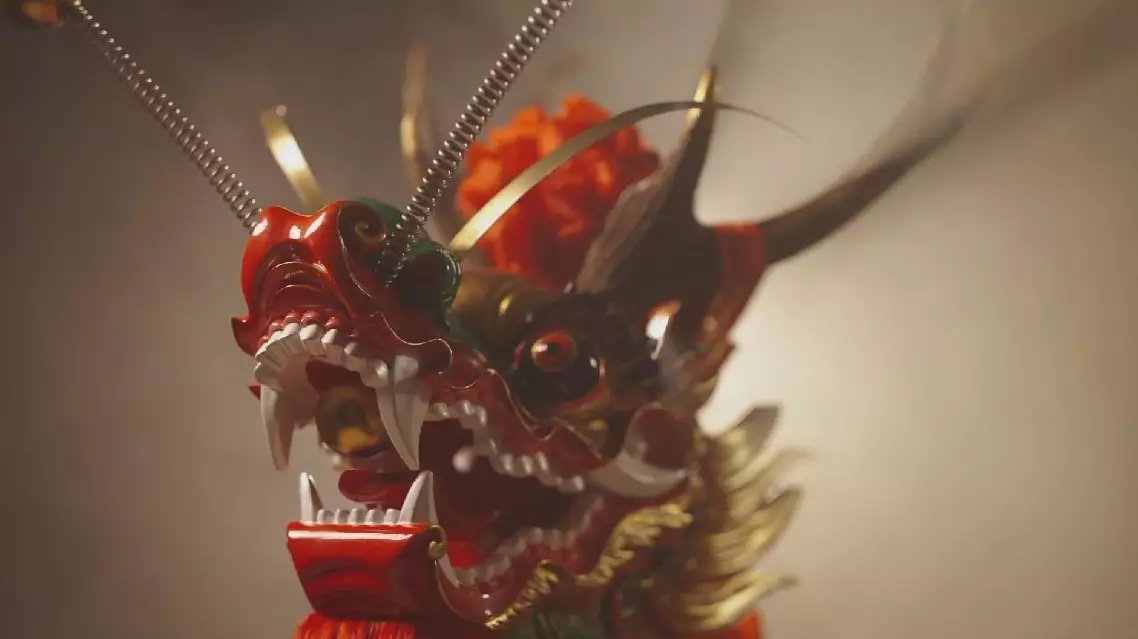
Keeper of dragon head cultural heritage committed to preserving tradition