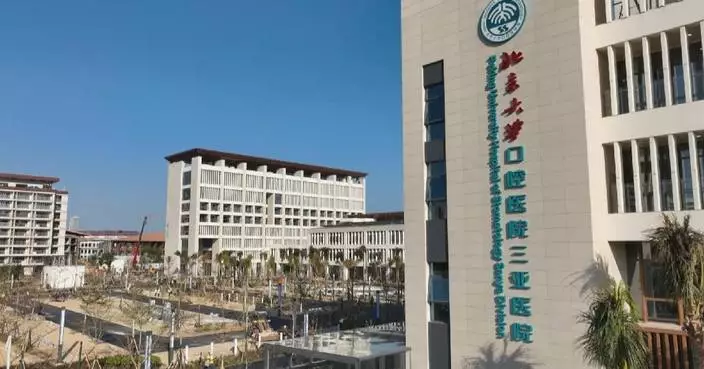
Bangladesh has raised its hopes for new investments after Chinese businesspeople visited the capital Dhaka and attended the China-Bangladesh Conference on Investment and Trade on Sunday.
Political parties, government officials and business leaders have described the visit of the Chinese delegation, led by Commerce Minister Wang Wentao, as a historic visit that could open new horizons in the country's investment, trade and employment.
"China had been, as I said, a trusted friend of us all along. At times when many other rich and Western countries of the world have not been able to provide investment support, China had come forward and done it. I believe this is absolutely the right time for Bangladesh to come forward and utilize that fund. This will not only promote job employment and production within Bangladesh, but it will also strengthen the bonds of the relationship between the two countries," said Abdul Moin Khan, a member of the Standing Committee of the Bangladesh Nationalist Party.
Shafiqul Alam, press secretary to the chief adviser of Bangladesh's interim government, said China's investment will stimulate the development of Bangladesh's manufacturing industry.
"The visit by this Chinese delegation led by the Chinese commerce minister is hugely significant. China is the master of manufacturing. They know how to manufacture products the most productive way, most efficient way. So welcoming China's investors to Bangladesh has been one of these key priorities, as far as our business promotion is concerned," said Alam.
Business community leaders in in the South Asian country said Chinese investment in the textile and other labor-intensive industries will strengthen the wheels of Bangladesh's economy and create a huge number of jobs.
"As a businessman, I think this visit of the Chinese Commerce Minister and businessmen is the beginning of a new horizon for our business. Investment brings benefits not only to China, but to any country in the world," said Saifullah Mansur, director of the Bangladesh Garment Manufacturers and Exporters Association.
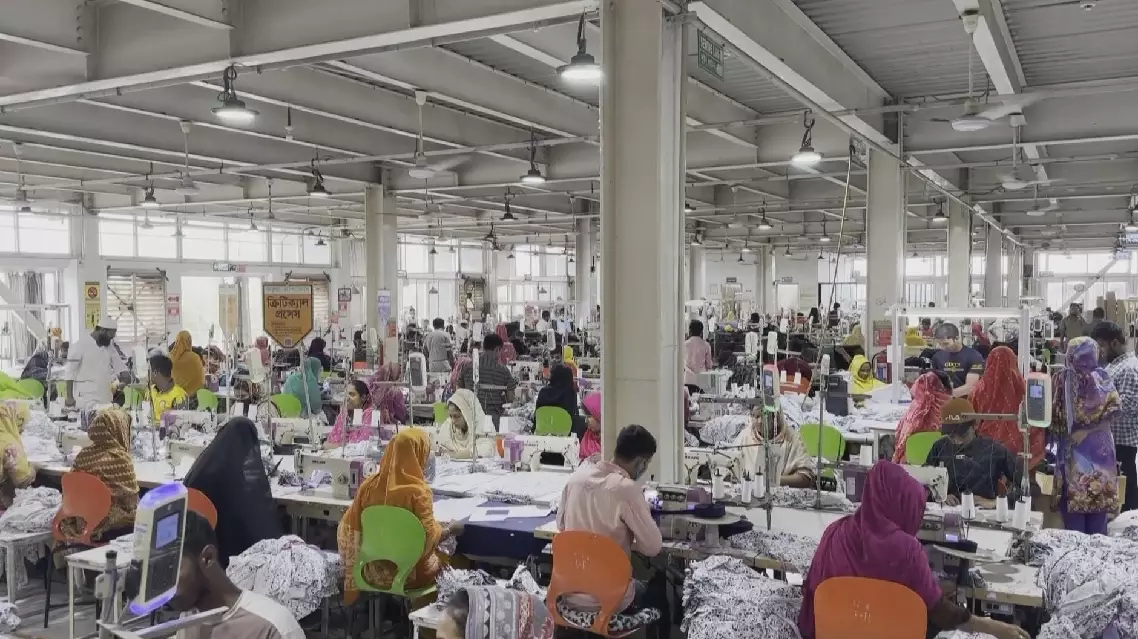
Bangladesh sees hope for new investment after Chinese delegation visit
Chicago policymakers have introduced measures to increase housing supply, in a move that local activists and construction industry stakeholders have hailed as key to easing affordability pressures on residents.
According to the city's 2025 annual report on homelessness, Chicago is facing its largest gap in affordable and available housing in a decade, with the annual Point-in-Time (PIT) Count estimating that 7,452 people were experiencing homelessness, either in shelters or unsheltered locations, on January 23, 2025.
Steven Vance, a social worker in Chicago, said policies that previously curbed the city's housing supply have pushed up rent costs amid demographic changes.
"Households are declining in size, and that means we need more homes, and I thought it was strange that we would artificially restrict how many homes could get built in Chicago. Right now in Chicago, we have one of the highest rent growths, compared year to year in the country, and so now is a pivotal time to allow more housing," he said.
To address the challenge, Chicago has introduced zoning and land-use reforms, including the Additional Dwelling Units (ADU) Ordinance, aimed at increasing residential density and expanding housing supply.
The ordinance effectively expands housing access across the city by allowing ADUs in attics, basements, and accessory buildings, easing the rent burden and creating more budget-friendly housing options.
"In December 2020, City Council adopted an ordinance that would legalize ADUs in five pilot areas. (With ADU,) rents will maybe not always come down, but they will not climb as quickly as they are now if we have more housing options," he said.
The construction sector in the city has welcomed the policy change, with builders jumping on the opportunity to create new structures. For many in the industry, boosting housing supply is not just about doing business, but about addressing the issue of affordability as Chicago residents themselves.
"The housing market in Chicago has been impacted by the ADU program, to me, in a really big way. It's enabled a lot more rental projects to be constructed. I want there to be more housing in Chicago. I think there is a need for that, and I think there's also a need for responsible development that maintains the character of the neighborhood. Affordable housing to me is a really important issue, and to me, the biggest denominator in affordable housing is the lack of supply. The best route to affordable housing is to have an influx of housing," said Nick Serra, a construction professional.
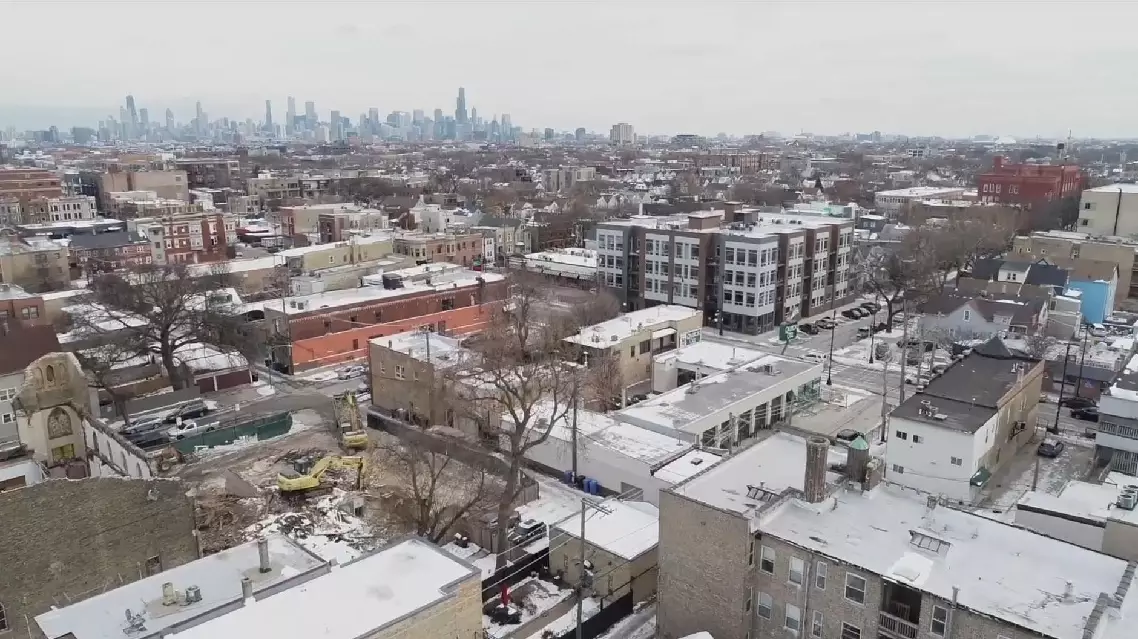
Chicago expands housing supply to ease affordability pressure