The launch of a criminal investigation targeting U.S. Federal Reserve Chair Jerome Powell has been met with considerable backlash, with three former Fed chairs and 10 other former top economic officials from the federal government on Monday criticizing the move in a joint statement.
Powell said on Sunday that federal prosecutors are investigating him over the Fed's multi-billion-dollar project to renovate its headquarters. He released a defiant video statement in which he pledged to "continue to do the job the Senate confirmed me to do" as he pointed towards the wider threats posed to the Fed by the Trump administration.
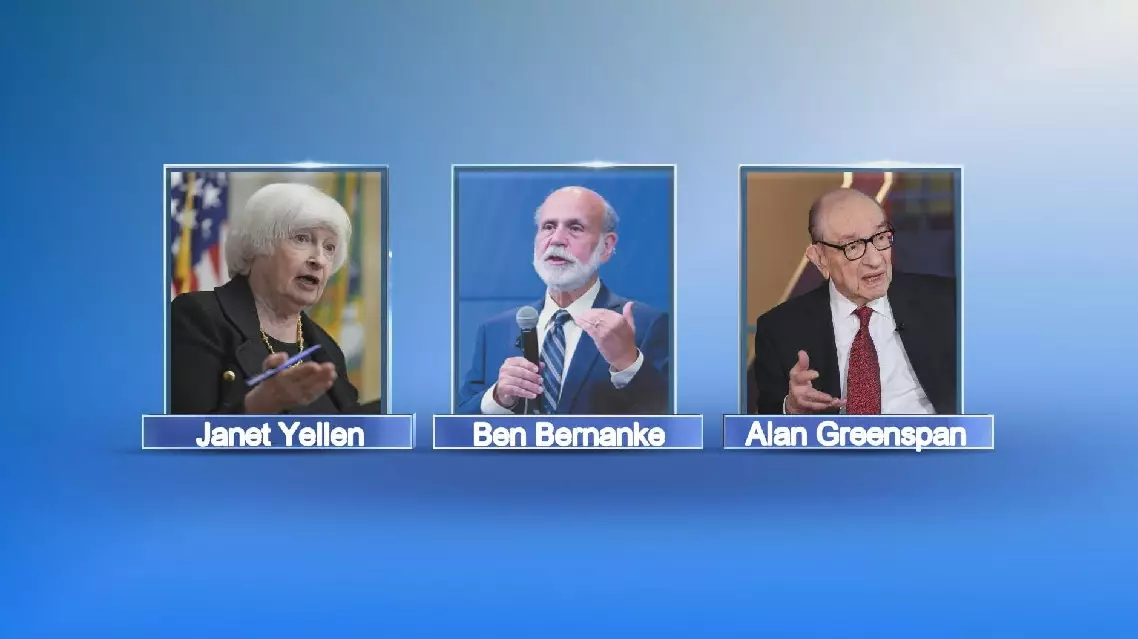
A joint statement signed by former Fed chairs Ben Bernanke, Alan Greenspan and Janet Yellen on Monday described the criminal inquiry into Powell as an unprecedented attempt to use prosecutorial attacks to undermine the Fed's independence.
"The Federal Reserve's independence and the public's perception of that independence are critical for economic performance, including achieving the goals Congress has set for the Federal Reserve of stable prices, maximum employment, and moderate long-term interest rates," the statement said.
It also warned of negative consequences for inflation and the functioning of economies more broadly and stressed the importance of the rule of law.
Other signatories of the statement include former treasury secretaries and former chairs of the Council of Economic Advisers, as well as Kenneth Rogoff, the former chief economist of the International Monetary Fund.
In his video statement posted on the website of the Federal Reserve late Sunday, Powell said the Department of Justice on Friday served the Fed with grand jury subpoenas, "threatening a criminal indictment related to my testimony before the Senate Banking Committee last June. That testimony concerned in part a multi-year project to renovate historic Federal Reserve office buildings."
"This is about whether the Fed will be able to continue to set interest rates based on evidence and economic conditions, or whether instead monetary policy will be directed by political pressure or intimidation," Powell said.
Giving his assessment of the ongoing situation, Edward Yardeni, president of the investment consulting firm Yardeni Research, said any perception of political interference in the Federal Reserve could seriously undermine its credibility and unsettle global markets.
"The Federal Reserve has got a tremendous amount of respect as an independent central bank. It has actually acted quite independently over the years. Every now and then there's some question marks, but generally speaking, it's done what the members of the Fed believed was in the best interest of the economy. And if foreigners (global markets) start to perceive that the central bank is going to be under the control of politicians in the administration, then we're going to lose our credibility in terms of having a monetary policy that isn't intent on keeping inflation down, which then could also destabilize the dollar. As it is, the gold market, the precious metals markets, are already demonstrating quite clearly that there's a lot of loss of confidence in our central bank," said Yardeni.
Former Fed chairs, US officials decry criminal probe against Jerome Powell