China's west-east gas transmission is undergoing a digital revolution, replacing traditional manual pipeline operations and maintenance with AI-powered monitoring to ensure safe, efficient natural gas transport across the country.
At the Baihe Station in Qingpu District, on the outskirts of Shanghai, the final terminal of the West-East Gas Pipeline 1, cutting-edge technology is reshaping how natural gas flows safely to meet the needs of nearly one-fifth of the city.
The station staff wear advanced safety gear outfitted with AR smart glasses to conduct facility checks with high accuracy and efficiency. "We are exploring the use of the safety gear outfitted with AR smart glasses for inspections. It's like having a digital partner. The system automatically highlights key inspection points, and if any anomalies are detected, we can call technical experts at the production monitoring and emergency command center for instructions with just one click," said Tan Wei, director of the Baihe Operations Zone of the West-East Gas Pipeline under PipeChina.
Beyond the station, pipeline safety is protected by an integrated monitoring system that spans air, ground, and underground technology. Each drone inspects more than 200 kilometers of pipeline weekly, while a fiber-optic system identifies mechanical vibrations within a 400-meter radius. The monitoring network boasts a detection accuracy of over 95 percent.
"With digital and intelligent tools, we've moved away from the old 'boots-on-the-ground' patrol model, and transitioned from traditional inspections to multi-dimensional sensing and smart protection," said Sun Sheng, deputy manager of the Jiangsu-Zhejiang-Shanghai Branch of the West-East Gas Pipeline under PipeChina.
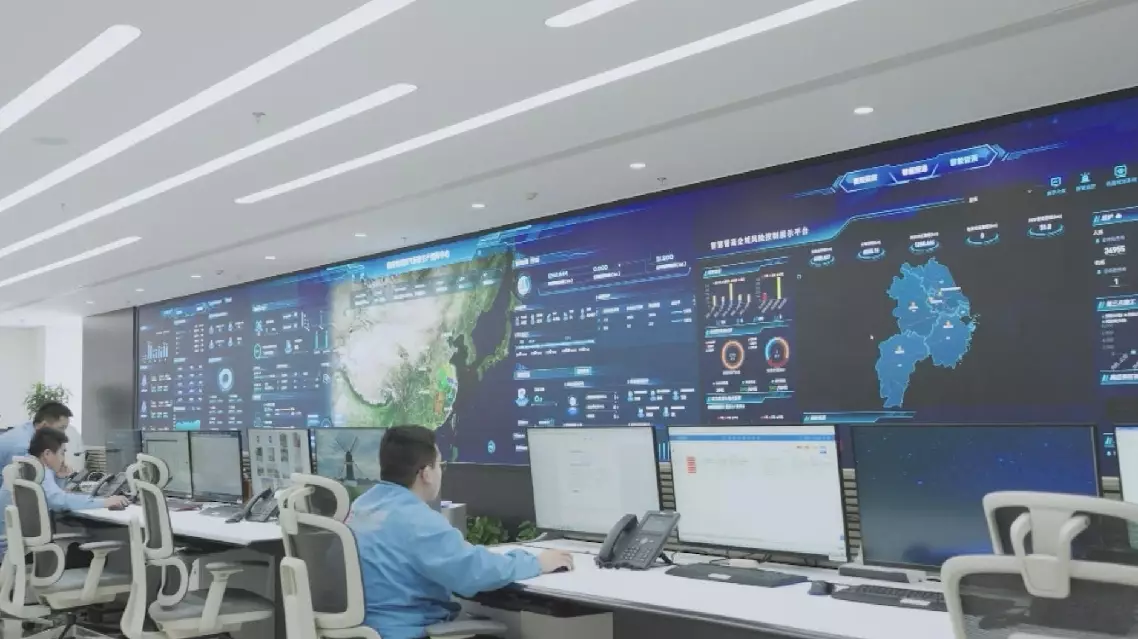
At the pipeline's production monitoring and emergency command center, 12 specialized AI models process more than a billion data points daily. Ranging from gas flow predictions to fault detection, these smart systems have increased operational efficiency and reduced emergency response times to just 15 minutes.
"Our digital twin model is essentially a cloud-based replica of the 6,500-kilometer-long pipeline. Now we can collect real-time data of everything, from valve pressure fluctuations to underground soil shifts. Data now is replacing manual workers to manage pipeline safety," said Sun.
Smart tech transforms west-east gas pipeline operations
Smart tech transforms west-east gas pipeline operations
International guests who have dedicated their lives to historical truth joined China's 12th national memorial event honoring the hundreds of thousands of victims killed by Japanese troops in the Nanjing Massacre during World War II.
The memorial was held on Saturday at the public square of the Memorial Hall of the Victims in Nanjing Massacre by Japanese Invaders in Nanjing, capital of east China's Jiangsu Province. China's national flag was flown at half-mast in the presence the crowd that included survivors of the massacre, local students, and international guests.
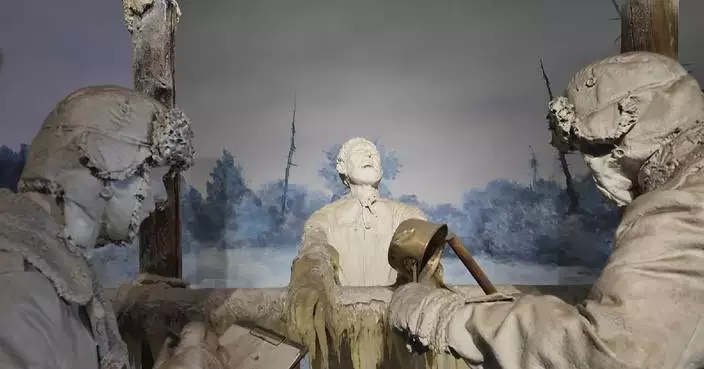
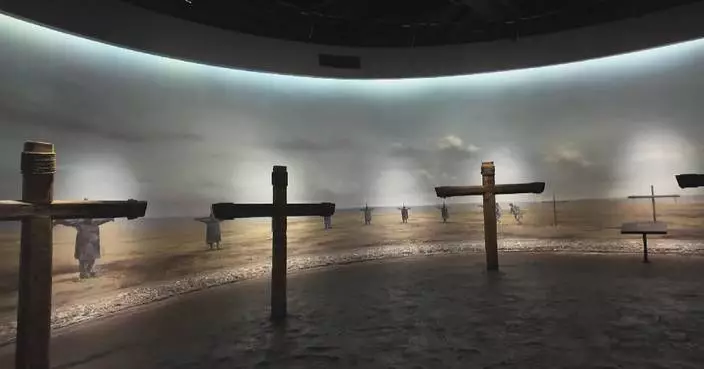
In one of the most barbaric episodes during WWII, the Nanjing Massacre took place when Japanese troops captured the then-Chinese capital Nanjing on Dec 13, 1937. Over the course of six weeks, they proceeded to kill approximately 300,000 Chinese civilians and unarmed soldiers.
Joining the crowd was Christoph Reinhardt, the great-grandson of John Rabe (1882-1950) who was then a representative of German conglomerate Siemens in the war-ravaged Nanjing. During the Nanjing Massacre, Rabe set up an international safety zone with other foreigners, and they together saved the lives of around 250,000 Chinese people between 1937 and 1938 from the Japanese invaders.
Throughout the massacre, Rabe continued to keep a diary. To this day, all his pages remain one of the most comprehensive historical records of the atrocities committed by the Japanese aggressors.
Sayoko Yamauchi, who was also in the crowd of mourners, arrived in Nanjing on Friday from Japan's Osaka to attend Saturday's ceremony, just as she has done almost every year since China designated Dec 13 as the National Memorial Day for the Victims of the Nanjing Massacre in 2014.
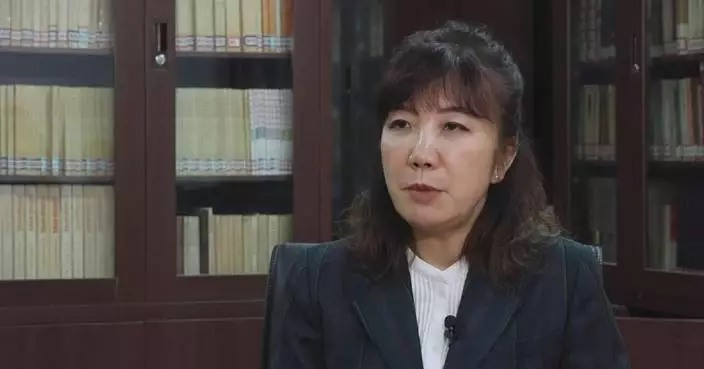
Yamauchi's grandfather was one of the Japanese soldiers who invaded Nanjing in January 1938. However, since first setting foot in Nanjing in 1987, she has dedicated herself to uncovering and spreading the truth about Japan's history of aggression and enlightening the Japanese public about their country's wartime atrocities.
In 2014, ahead of China's first National Memorial Day for the Victims of the Nanjing Massacre, Yamauchi, along with 10 other individuals, received an award for her special contribution to the Memorial Hall of the Victims in the Nanjing Massacre by Japanese Invaders.
By attending the grand memorial event, Reinhardt and Yamauchi both said they hope to convey a message of remembering history and cherishing peace.
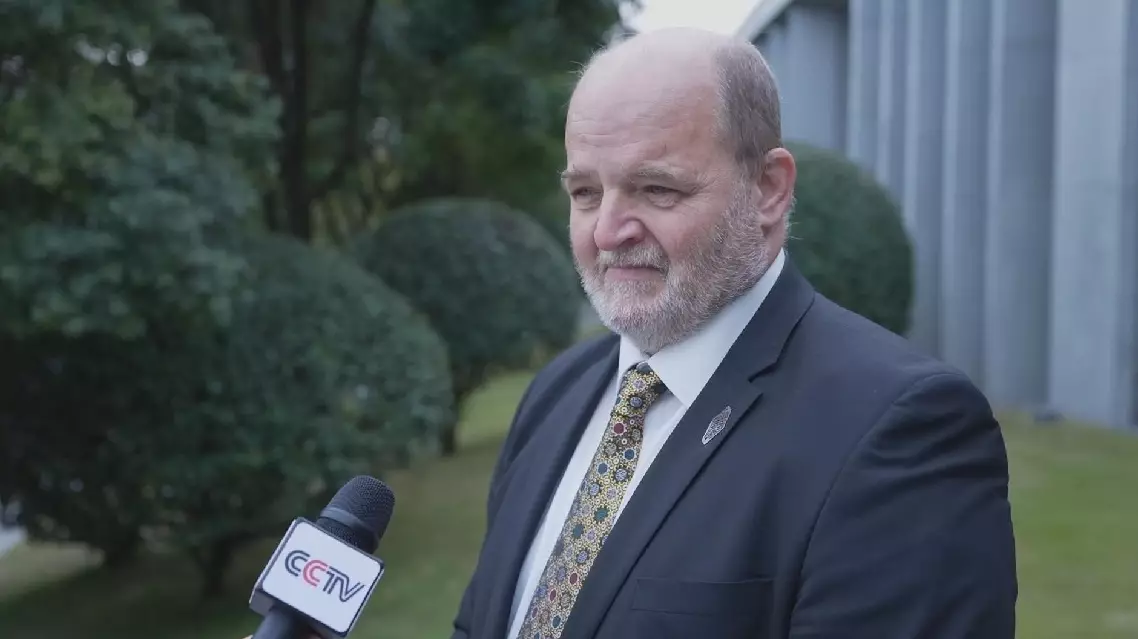
"This is my fifth visit to China, and Nanjing, and the third times I visited the ceremony. I have a wish that these survivors survive again and again and again. But my other wish is that the families of the survivors, that they transport the information, the right intention like their ancestors, because anyone must hold a hand (during) this remembering," Reinhardt told China Central Television (CCTV) in an interview before the event began on Saturday.
"Our delegation is on its 20th visit to China, coming to Nanjing to express our heartfelt condolences to those who perished 88 years ago, to remember this history, and to reflect on what we can do for a new future. That's why we are here," Yamauchi told CCTV on board the bus that took her to a local hotel in Nanjing on Friday evening.
Int'l guests call for remembering history at China's national event honoring Nanjing Massacre victims