A Brazilian ecological park has launched a campaign to save endangered plant species, exemplifying the country's efforts to regreen logged-out areas of the Atlantic Forest.
The Atlantic Forest, one of the most ecologically-diverse ecosystems on Earth, stretches across Brazil, Argentina and Paraguay.
In recent years, due to deforestation and other reasons, the Atlantic Forest has been severely damaged and thousands of tree species have been listed as endangered species.
In Ekoa Park in Morretes, the state of Parana, Brazil, jucara palm is on display at a noticeable place.
The palm, which is native to the Atlantic Rainforest, has been illegally harvested for its delicious heart of palm, or Palmito.
"Many Palmito collectors enter the forest and illegally cut down the palm trees, taking away forest resources in bundles. It is now listed on the red list of threatened species and is at risk of extinction," said Tatiana Perim, executive director of Ekoa Park.
As part of the efforts to save jucara palm and other endangered plant species, Ekoa Park has cooperated with environmental protection organizations and enterprises to launch a themed project, under which a team of experts regularly enters the forest to collect seeds of about 50 endangered trees.
"We go into the forest and identify these trees, which is not easy, mainly because they are endangered and there are not many individuals. Once identified, we tag them with GPS. Then we store all the coordinates of these trees in a database and check the registered areas once a month to collect seeds," said Victor Paul Lynette, a forestry engineer.
The team will then cultivate the collected seeds, and when the seedlings meet the conditions for transplanting, they will be distributed to 200 registered volunteers to plant across multiple locations.
Before planting a seedling, volunteers will write down information about the tree on a piece of paper and leave it right at where the seedling is planted.
After planting it, volunteers will record the location and other information on a mobile app.
So far, under the project, nearly 6,800 seedlings have been distributed to volunteers to plant across the states of Parana, Santa Catarina and Sao Paulo.

Brazilian ecological park races to save endangered plant species

Brazilian ecological park races to save endangered plant species
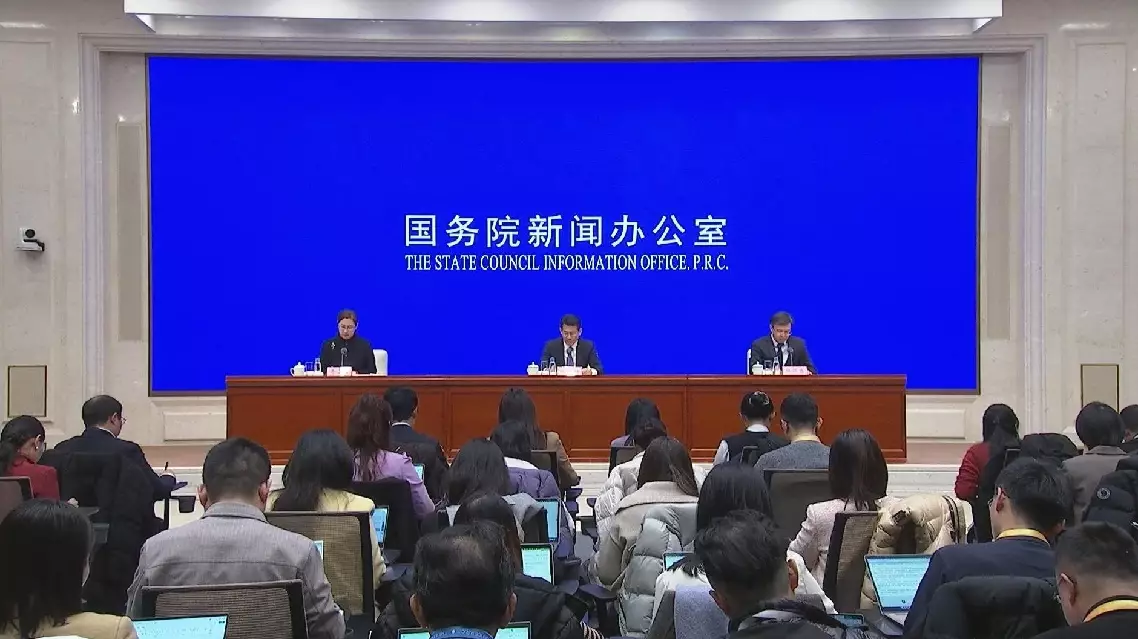
China will take more effective measures to improve people's wellbeing, especially in education, healthcare, and social security, an official said Thursday in Beijing at a press conference on the interpretation of this year's government work report, which was submitted to the national legislature for deliberation earlier in the day.
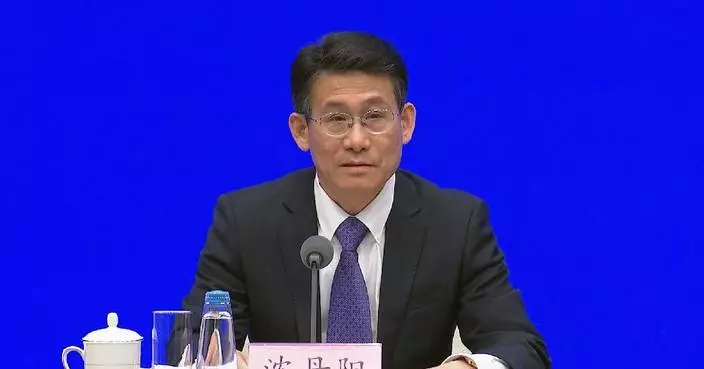
Shen Danyang, head of the government work report drafting team and director of the State Council Research Office, said centering on enhancing educational equity and quality, the report made arrangements for education at all educational stages and of all types.
"Regarding preschool education, the policy of free education in the year prior to entering primary school will continue to be implemented this year, which is commonly referred to as free admission to the senior class of kindergartens. So, how can the income reduction of kindergartens be addressed? Subsidies will be provided by both the central and local governments, with the central government taking the lion's share. This year, the funds allocated to support the development of preschool education will increase significantly by 37.8 percent to ensure the implementation of the beneficial policy," he said.
Regarding senior high school education, Shen said the report stated that the supply of regular senior high school places will be increased,
Specifically, for areas with a continuous net inflow of population, a number of regular high schools will be planned and constructed on an annual basis. For regions with a temporary shortage of school places, priority will be given to the renovation and expansion of existing teaching buildings, student dormitories and canteens, he said.
Shen said the report put forward many supportive measures in healthcare.
"For instance, it urged efforts to strengthen coordination in drug use at the grassroots level, which mean improving the list of essential drugs, and optimizing the channels for drug supply and drug use coordination between upper- and lower-level medical and health institutions to make it more convenient for the public to use drugs at their doorstep. Besides, the report has made arrangements for supporting the development of innovative drugs for the third consecutive year. This year, China will strengthen the coordination of supportive policies in an all-round way, further address issues such as the barriers facing innovative drugs entering hospitals, and better meet the diverse medical and medication needs of the people," he said.
In terms of social security, Shen said the report proposed to continue raising the minimum standard of basic pensions for urban and rural residents -- a policy will benefit over 180 million elderly people.
"The central government will allocate 1.25 trillion yuan (about 181.25 billion U.S. dollars) in subsidy funds to ensure the timely and full payment of pensions. In response to the insufficient protection of the rights and interests of people engaging in new occupations, the report proposed to steadily and orderly expand the scale of the pilot program for occupational injury insurance. This year, the policy will cover 31 provincial-level regions across the country and the Xinjiang Production and Construction Corps. Meanwhile, enterprises specializing in travel, instant delivery and intra-city freight delivery will be included in the pilot program, which will ensure the safety of more laborers, such as food delivery workers and online car-hailing drivers," he said.
China to improve people's wellbeing in education, healthcare, social security: official