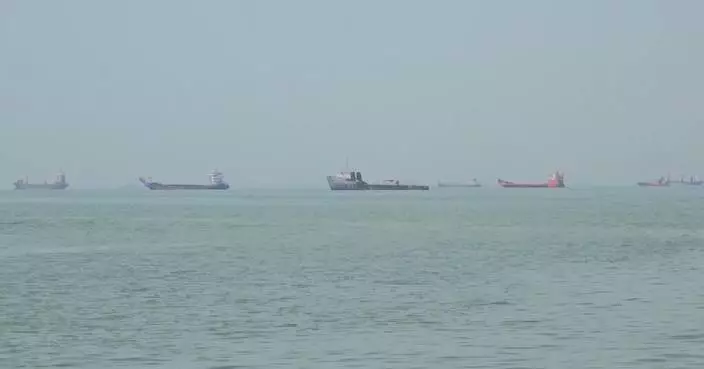
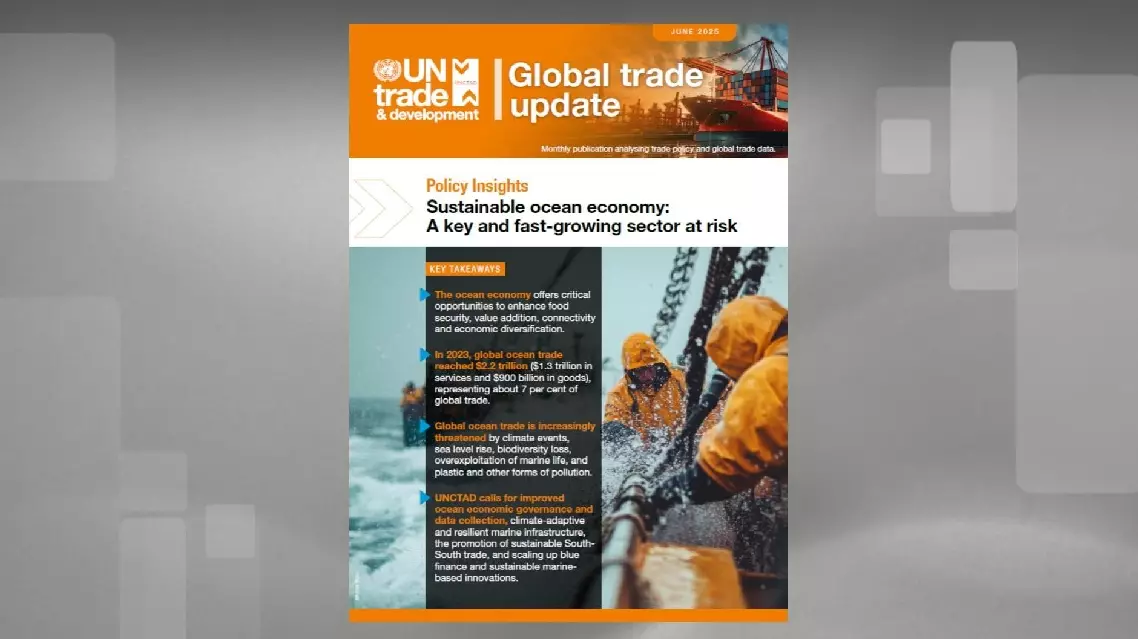
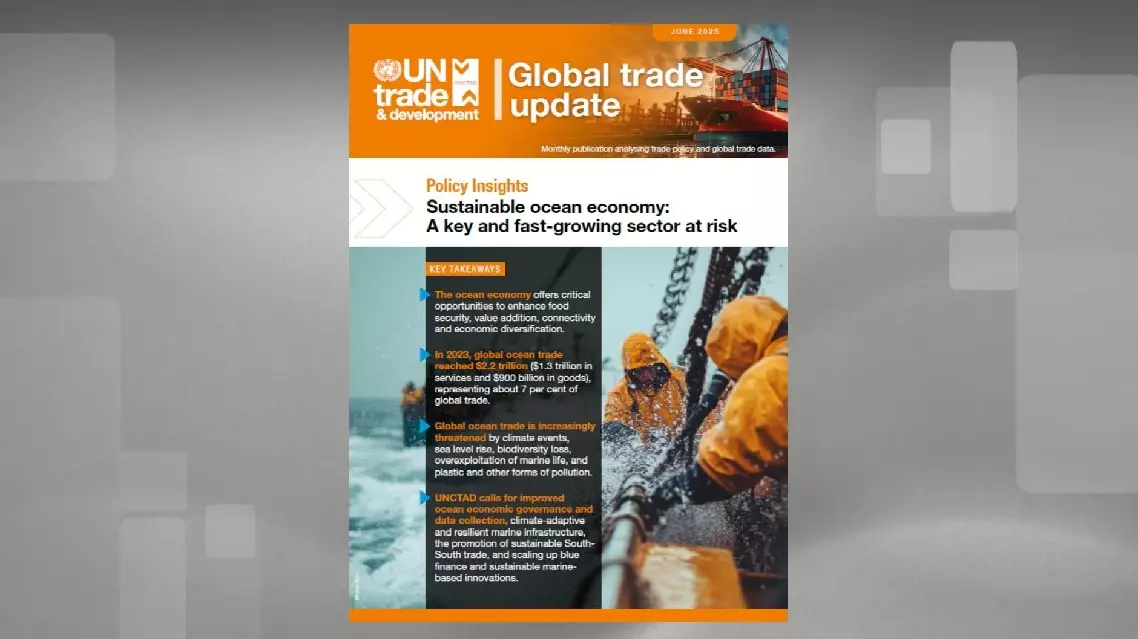
The introduction of a 10-percent tariff by the United States on nearly all fisheries imports poses risks to global fishery trade, especially those heavily reliant on the U.S. markets for primary fisheries, according to a global trade update released by United Nations Trade and Development on Wednesday.
The section of the report on the impact of the U.S. tariffs said that the country's huge weight on the global fishery trade comes from its large trade value as the United States is a net major importer of primary (unprocessed) fisheries, its imports amounting to 16 billion U.S. dollars, and its exports, 4.5 billion dollars.
Click to Gallery
US tariff policies pose risks to global fishery trade: UN report
US tariff policies pose risks to global fishery trade: UN report
US tariff policies pose risks to global fishery trade: UN report
US tariff policies pose risks to global fishery trade: UN report
The report found that Mexico, Canada and Brazil are the most exposed to the U.S. tariffs on fisheries. It noted that while Mexico and Canada's participation in the United States-Mexico-Canada Agreement (USMCA) enables them to export duty-free when they meet rules of origin (RoO), the products that do not comply with USMCA RoO face a 25-percent tariff.
It added that for countries such as Brazil, where 55 percent of primary fisheries exports are destined for the United States, exports are likely to be redirected toward domestic markets or alternative trading partners.
As the U.S. needs time to scale up its production, tariffs are expected to push domestic availability down and the prices of some fish products up, the report pointed out.
The report also raised the alarms on the increasing trade policy uncertainty, saying that global trade tensions could disrupt ocean goods trade. In specific, the tariffs imposed on steel and aluminum are already increasing shipbuilding and ports facilities costs, and traditional bilateral trade flows may also be affected due to asymmetric new tariffs being imposed in different markets, according to the trade update.
In addition, ocean services will also be impacted, said the report, adding that maritime freight transport services are among the multiple fields to take a hit as the sector could face weaker demand compared with previous years, and would have to make adjustment to shipping routes.
Higher or volatile tariffs on ocean goods are likely to disrupt traditional trade flows, affecting both consumers and exporters, it further added.
The report emphasized that since the ocean economy helps build global supply chains, supports employment and food systems, and drives global innovation, maintaining the sustainable flow of ocean trade is crucial for global development as the world faces challenges such as tariffs and climate change.
US tariff policies pose risks to global fishery trade: UN report
US tariff policies pose risks to global fishery trade: UN report
US tariff policies pose risks to global fishery trade: UN report
US tariff policies pose risks to global fishery trade: UN report