There are more than 10.13 million internally displaced persons (IDP) in Sudan, around 7.73 million of whom fled home after the outbreak of the conflict in April 2023, according to a report released by the International Organization for Migration (IOM) on Thursday.
The fighting between the Sudanese Armed Forces (SAF) and the paramilitary Rapid Support Forces (RSF) first broke out in Sudan's capital city of Khartoum and has since spread to other regions of the Northeast African country, wreaking havoc on the lives of civilians.
The IOM report indicated that most of the IDPs are from Khartoum State and Darfur, and around 53 percent are minors under the age of 18.
It also noted that compared with the peak number at the end of 2024, the current number of IDPs in Sudan has decreased by around 13 percent, mainly because more than 1.18 million displaced persons have returned home since the end of 2024 as the situation in Sennar State, Al-Jazirah State and Khartoum State is stabilizing.
So far, the conflict has lasted for more than two years and left around 29,700 people dead in the country.
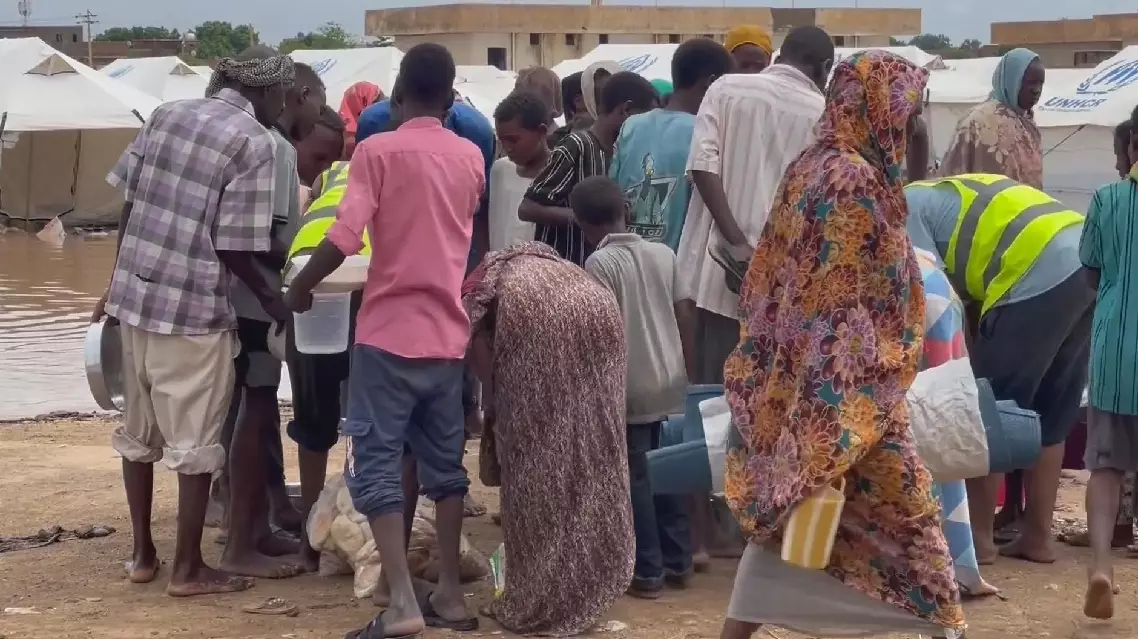
Sudan hosts over 10 million internally displaced persons: IOM report
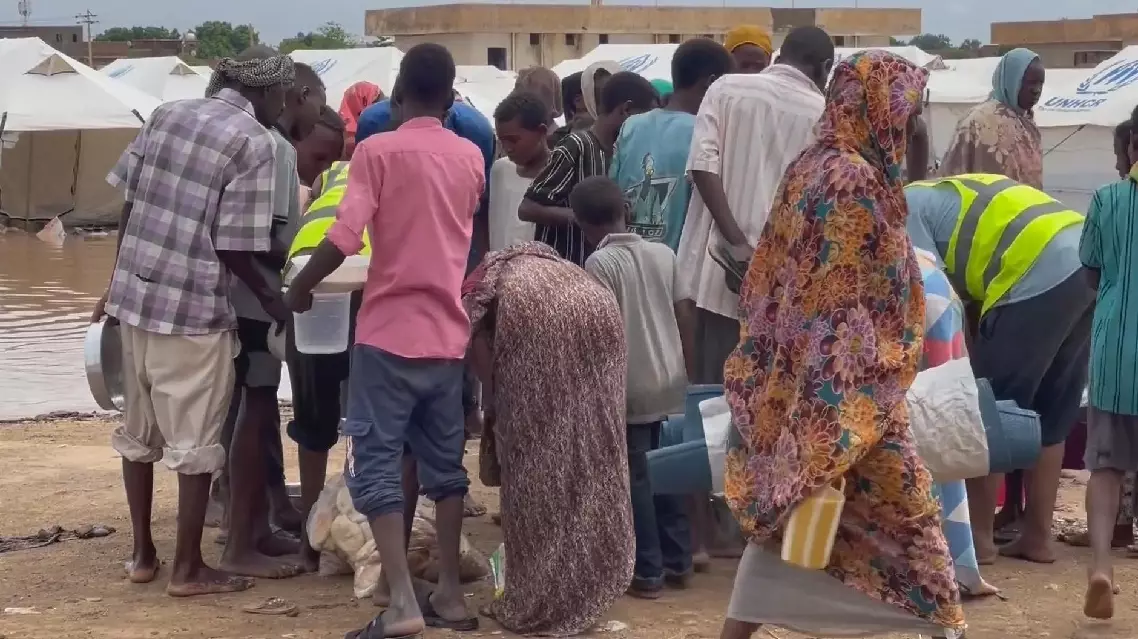
Sudan hosts over 10 million internally displaced persons: IOM report
Future transit management through the strategic Strait of Hormuz should be formulated exclusively through bilateral consultations between Iran and Oman, an Iranian Foreign Ministry spokesman said on Sunday.
The remarks followed talks between Iranian Foreign Minister Seyed Abbas Araghchi and his Omani counterpart, Sayyid Badr Albusaidi in Muscat on Saturday.
Iranian Foreign Ministry spokesman Esmail Baghaei said that the two sides discussed the coordination mechanism for navigation and passage management in the Strait of Hormuz.
Legal and technical delegations from both countries participated in the session, and a government delegation from Qatar joined parts of the discussion.
According to Baghaei, the talks focused on the shipping security in the Strait of Hormuz, respect for the sovereign rights of both nations, and the application of international law. The two sides also discussed Article 5 of the "Islamabad Memorandum of Understanding (MoU)".
Iran emphasized that future traffic management arrangements for the Strait of Hormuz should be decided through consultation between Iran and Oman, and any framework must take into full account the impact of U.S. and Israeli military operations against Iran in recent months and their impact on the safety of shipping in the Strait of Hormuz, Baghaei said.
Baghaei also said that both sides agreed to continue political, legal, and technical consultations to reach a common understanding on the navigation security in the strait.
Meanwhile, Iranian Parliament Speaker Mohammad Bagher Ghalibaf wrote on social media that the "era of unilateral agreements has ended".
Ghalibaf said that Iran had previously asked relevant parties to fulfill their commitments or face the consequences, adding that they must "now face reality".
Ghalibaf also posted a portion of Article 5 from the previous 14-point MoU, which highlights that the restoration of transit through the Strait of Hormuz is conditional upon compliance with "arrangements set by the Iranian side".
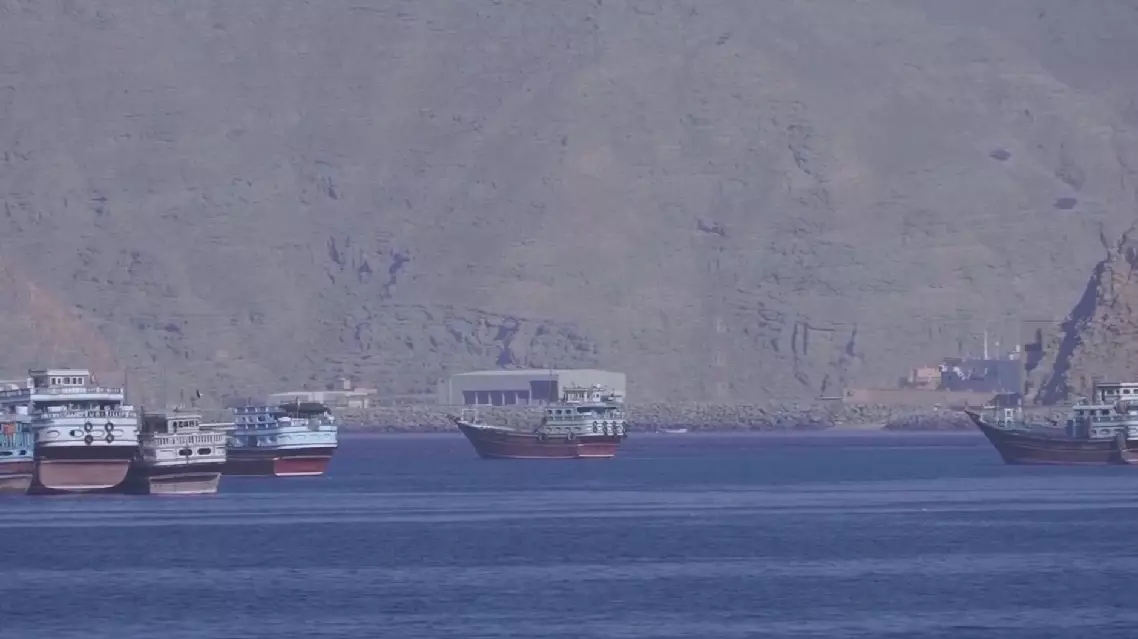
Iran says Strait of Hormuz transit management must be jointly decided with Oman