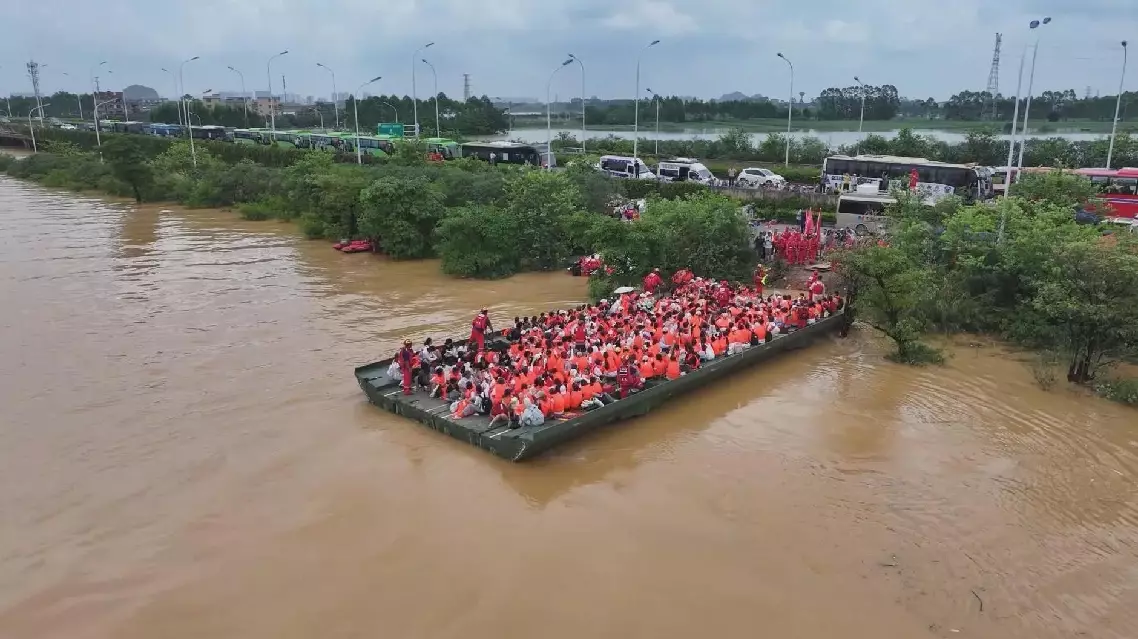
More than 1,100 construction workers have been evacuated and relocated to a city center shelter in Wenzhou, in east China's Zhejiang Province, as Typhoon Bavi batters China's eastern coast by the end of Saturday.
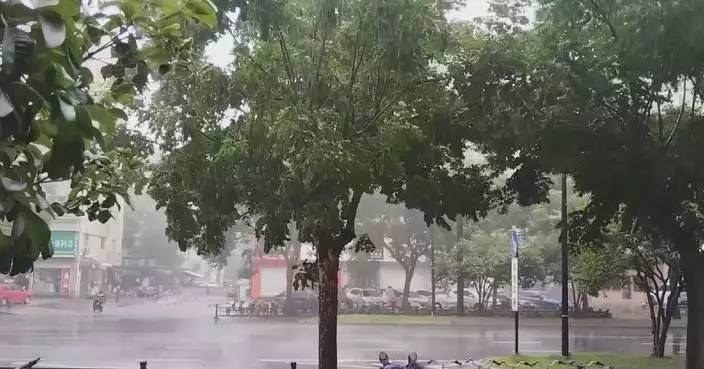
Typhoon Bavi, the ninth typhoon of the year, made two landfalls in Zhejiang Province -- late Saturday on the coast of Yuhuan in Taizhou, then shortly after midnight on the coast of Yueqing in Wenzhou.
In response, Zhejiang raised its typhoon emergency response to the highest level as of 11:00 Saturday.
The relocation to the city's converted convention center is part of a massive emergency response in Zhejiang, where authorities had evacuated nearly 1.72 million residents to safe locations as of 08:00 on Saturday.
"We got the government notice on the morning of July 10, and then we organized the evacuation and moved over here," said Wang Jiuliang, a construction worker from the China Construction Eighth Engineering Division at the Qingshan Headquarters Building construction site.
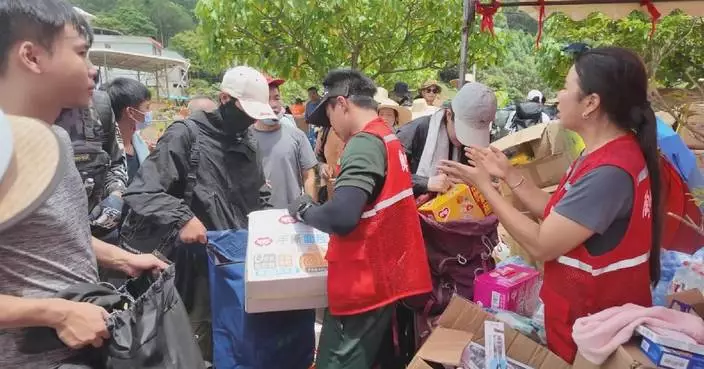
The converted convention center has been equipped to provide displaced workers with food, climate-controlled lodging, and medical services to mitigate the impact of the disruption.
"We have free air conditioning and free boxed meals. It really feels like the government cares about us. The workers feel at ease, and our families back home are reassured too," said Yan Ancai, a construction worker staying at the facility.
Wang Yue, a day laborer at the shelter, echoed the sentiment.
"The conditions are good, the food is good, and the accommodation is good. I told my family not to worry," said Wang.
Local subdistrict authorities have established a comprehensive care network within the facility to manage the influx of evacuees, offering both medical screenings and recreational activities to alleviate stress during the storm.
"We've accommodated 1,106 people at the convention center so far, most are construction workers from two communities of Yangfushan and Taohudao. We're providing hot tea and water, the Binjiang Subdistrict health center is offering medical care and body exercise sessions, and we're also showing revolutionary movies," said Chen Zhouyue, Secretary of the Yangfushan Community in Wenzhou's Binjiang Subdistrict.
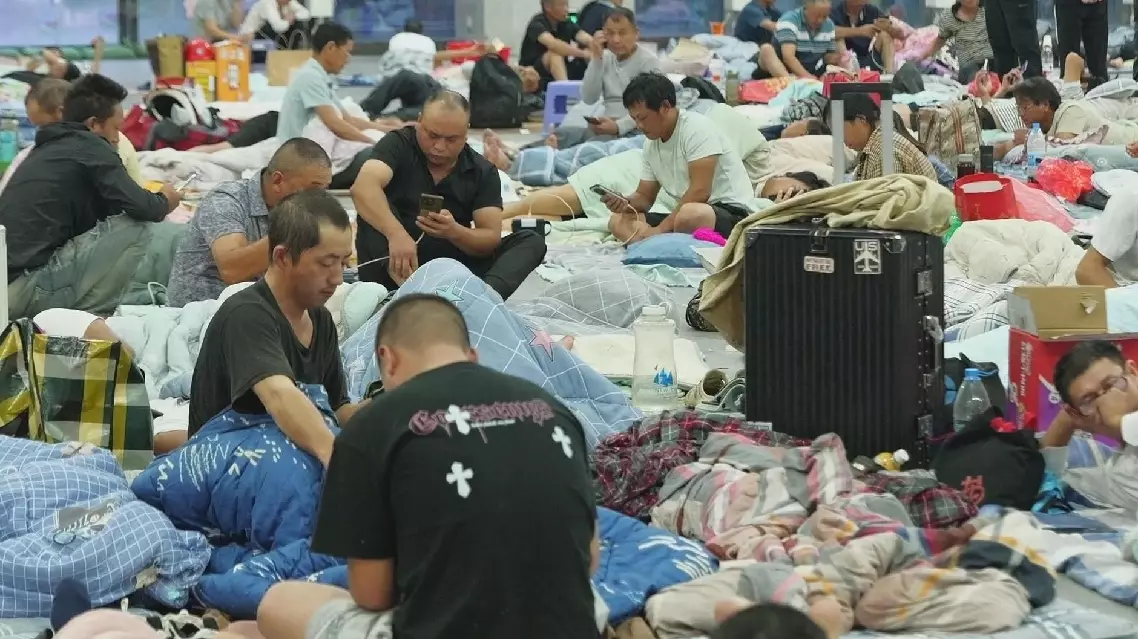
Over 1,100 construction workers relocated to city center shelter in east China's Wenzhou