Chinese high-tech companies debuted in the African market at a security expo held in South Africa, providing new solutions to tackle the high crime rate and cybersecurity threats.
From Tuesday to Thursday, the 2025 International Securex Expo was held in Johannesburg, South Africa. Nearly ten Chinese high-tech companies were grouped to present new security products at this largest and most comprehensive expo on security products and services in Africa.
The Chinese companies have brought world-leading technologies and cost-effective solutions to counter criminal acts in South Africa, according to Mark Anderson, Program Director of the expo.
"Obviously, we can't get around the fact that South Africa is a hard-crime country, and what helps fight that crime is technology. And I mean, obviously, China is bringing the latest technology into the sector, into the world, into the security environment. So the industry is always looking for what's new out there, how can they improve, how can they adapt and evolve and fight crime in a more cost-effective way," said Anderson.
Among all exhibits, a highlight is the rapid fingerprint and palm print matching systems, which can process 100 million matches in one to two seconds, empowering security checks for customs and major events, and allowing instant identity verification.
In terms of forensic technology, a rapid DNA profiler dramatically compresses processing time from three to five days to just two hours, significantly extending the golden hour for criminal investigations.
For maritime safety, an AI-powered unmanned rescue boat drew particular attention. With visual algorithms, the vessel autonomously identifies drowning victims and deploys flotation devices. Already proven effective in Southeast Asian waters, the technology shows strong potential to enhance water safety for South Africa's extensive coastline.
"We are glad that we have the chance to bring these excellent products and latest technologies out of China to the African continent. Through the platform of Securex, they can be presented to South African people, and then reach further to wider regions," said Li Jiahao, a Chinese exhibitor.
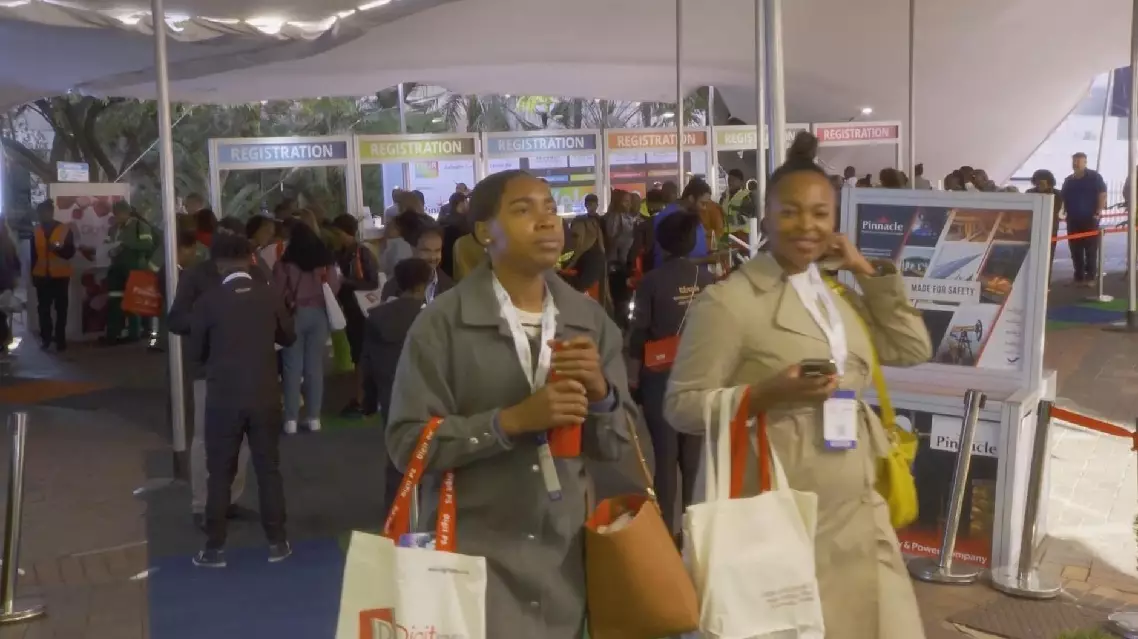
Chinese technology, products showcased at South African security expo
The 36th extraordinary session of the Council of the International Maritime Organization (IMO) concluded on Thursday in London, with member states split over who should be held accountable for the closure of the Hormuz Strait.
As a specialized UN agency, the IMO's responsibility is to safeguard global shipping safety and the rights and interests of seafarers. At the meeting, all parties had obvious differences regarding the root causes of the situation and the wording of the documents.
According to data provided by the IMO, since the outbreak of the conflict involving the United States, Israel and Iran, at least seven seafarers have been killed in attacks on merchant vessels in the Strait of Hormuz area, with several others seriously injured. Around 20,000 seafarers remain stranded aboard ships in the region.
Some countries urged condemning the actions of certain country that led to the blockade, while others believe that the root cause of the current maritime tensions in the Middle East lies in the military action launched by the United States and Israel against Iran, and that unilaterally blaming one country is neither objective nor comprehensive.
Multiple representatives emphasized that the IMO should not serve as a platform for political confrontation. They called for balanced, neutral language in resolutions and urged the organization to focus on pragmatic measures within the framework of IMO regulations to safeguard maritime corridors.
Iran's delegate pointed out that the IMO must not become a tool for political pressure, and any coordination on navigation security must involve Iran.
The Russian delegate warned that current international maritime declarations appear biased and one-sided, which hinders efforts to ease the crisis. He called on the IMO to adopt a more balanced stance.
China's delegate echoed the need for inclusive and impartial language, proposing that the resolutions reflect a constructive consensus rather than unilateral accusations. The Chinese side also suggested that language condemning or opposing military actions that lead to the escalation of tensions in the Strait should be added to proposal.
The IMO Council highlighted the urgent need to address the peril faced by numerous stranded commercial ships. It encouraged exploring frameworks, such as maritime safety corridors, as an emergency humanitarian measure to facilitate the voluntary evacuation of ships from high-risk zones to safer waters.
Regarding the U.S. proposal to provide naval escort operations, IMO Secretary-General Arsenio Dominguez said that naval escorts are not a long-term sustainable solution to the current crisis in the Strait of Hormuz, and only an end to the conflict can prevent shipping from becoming collateral damage.
While acknowledging that the root causes of the crisis lie beyond the IMO's mandate, he said he would continue to work with countries engaged in diplomatic efforts to address the situation.
Over the past few days, U.S. President Donald Trump has urged European countries and other allies to join naval escort operations in the Strait of Hormuz. However, European powers have largely rebuffed the request, citing concerns that direct military involvement would escalate regional tensions and risk drawing them into a wider conflict.
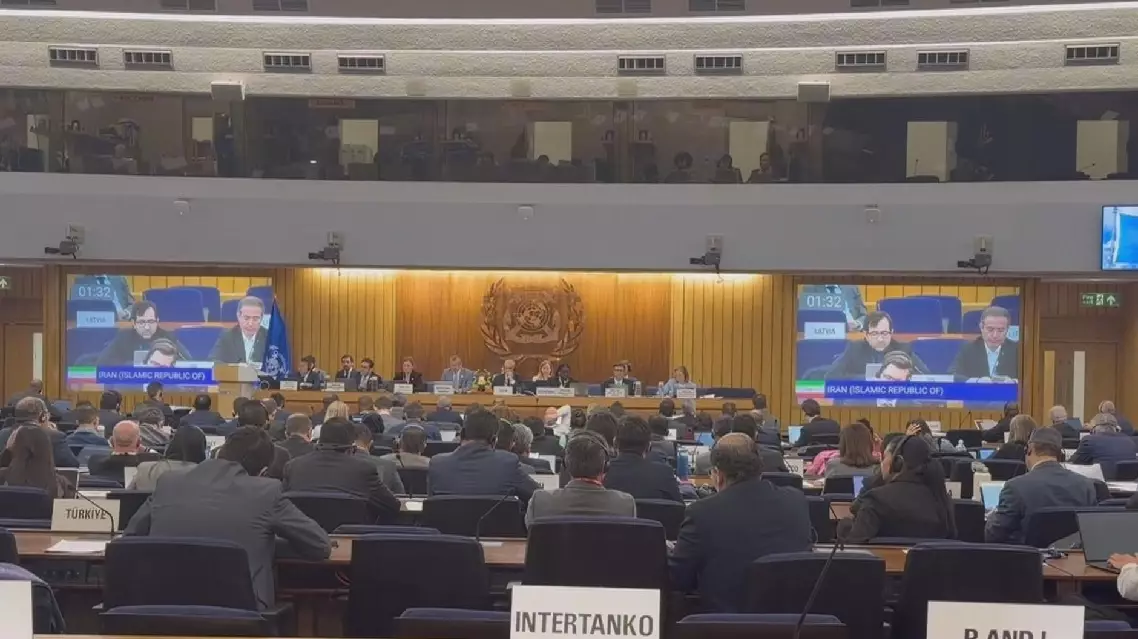
IMO members divided over accountability for closure of Hormuz Strait